Hey there, fellow sleep-deprived friend! Are you one of the estimated 22 million Americans struggling with sleep apnea, waking up gasping for air, or feeling perpetually exhausted? If you’re nodding along, you’re not alone. It’s frustrating, right? You try all the usual tricks—no caffeine before bed, a cozy bedroom, maybe even some soothing sounds—but still, you wake up feeling like you’ve run a marathon in your dreams (or rather, nightmares).
Let’s face it: sleep apnea isn’t just a minor inconvenience; it’s a serious health concern that can significantly impact your quality of life. According to the American Academy of Sleep Medicine, untreated sleep apnea increases the risk of high blood pressure by nearly 50% and raises the risk of heart failure by a staggering 140%. And that’s just the tip of the iceberg.
But don’t despair! While navigating sleep apnea can be challenging, there are effective strategies to help you achieve a better night’s sleep. Let’s dive into some practical tips and data-backed approaches.
The Gold Standard: Continuous Positive Airway Pressure (CPAP) Therapy
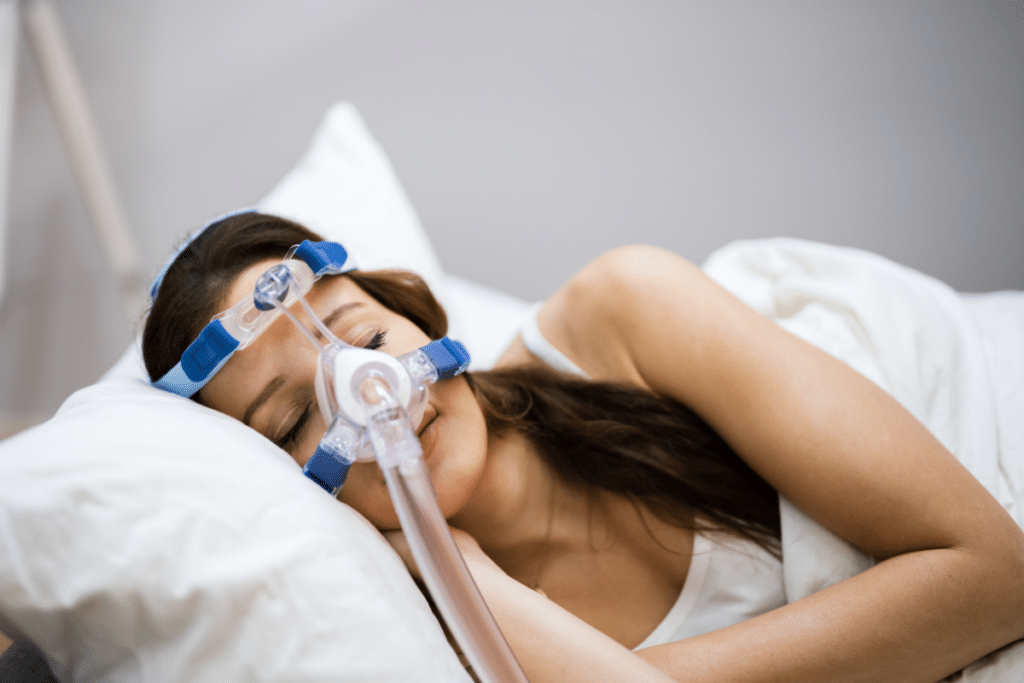
If you’ve been diagnosed with moderate to severe sleep apnea, your doctor has likely mentioned CPAP therapy. This method involves wearing a mask connected to a machine that delivers pressurized air, keeping your airway open during sleep. Studies consistently show that CPAP therapy is highly effective. A study published in the Journal of Clinical Sleep Medicine found that CPAP therapy significantly reduces apnea-hypopnea index (AHI) scores, a key indicator of sleep apnea severity, in approximately 80% of patients.
Tip: If you’re struggling with CPAP compliance, explore different mask types, humidifiers, and heated tubing to enhance comfort. Many modern CPAP machines also have smart features that track usage and provide feedback.
Lifestyle Adjustments: Small Changes, Big Impact
Sometimes, subtle lifestyle modifications can make a world of difference.
- Weight Management: Obesity is a major risk factor for sleep apnea. Research indicates that a 10% weight loss can lead to a 26% improvement in AHI scores. Consider incorporating regular exercise and a balanced diet into your routine.
- Avoid Alcohol and Sedatives: These substances can relax the throat muscles, exacerbating sleep apnea symptoms.
- Sleep Position: Sleeping on your back can worsen sleep apnea. Try sleeping on your side. A study in the European Respiratory Journal found that side sleeping reduced AHI scores by approximately 50% in positional sleep apnea patients.
- Regular Exercise: Exercise not only helps with weight loss, but it also improves sleep quality. Aim for at least 30 minutes of moderate-intensity exercise most days of the week.
Oral Appliances: An Alternative Approach
For mild to moderate sleep apnea, oral appliances can be a viable option. These devices, fitted by a dentist specializing in sleep medicine, reposition your jaw and tongue to keep your airway open. A study published in Sleep and Breathing indicated that oral appliances can reduce AHI scores by an average of 50%.
- Tip: Consult with a qualified dentist in Puyallup to determine if an oral appliance is suitable for your condition.
Surgical Options: When Other Methods Fall Short
In some cases, surgical procedures may be necessary to correct anatomical issues contributing to sleep apnea. Procedures like uvulopalatopharyngoplasty (UPPP) and maxillomandibular advancement (MMA) can widen the airway. However, it’s crucial to note that surgery isn’t always a guaranteed cure, and outcomes can vary.
- Tip: Discuss surgical options thoroughly with your doctor and weigh the potential benefits and risks.
Stay Consistent and Seek Support
Consistency is key to managing sleep apnea effectively. Adhere to your treatment plan, maintain regular check-ups with your healthcare provider, and don’t hesitate to seek support from sleep apnea support groups. These communities can provide valuable insights and encouragement.
Remember, getting a good night’s sleep is essential for your overall health and well-being. By taking proactive steps and working closely with your healthcare team, you can reclaim your sleep and wake up feeling refreshed and revitalized. Sweet dreams!