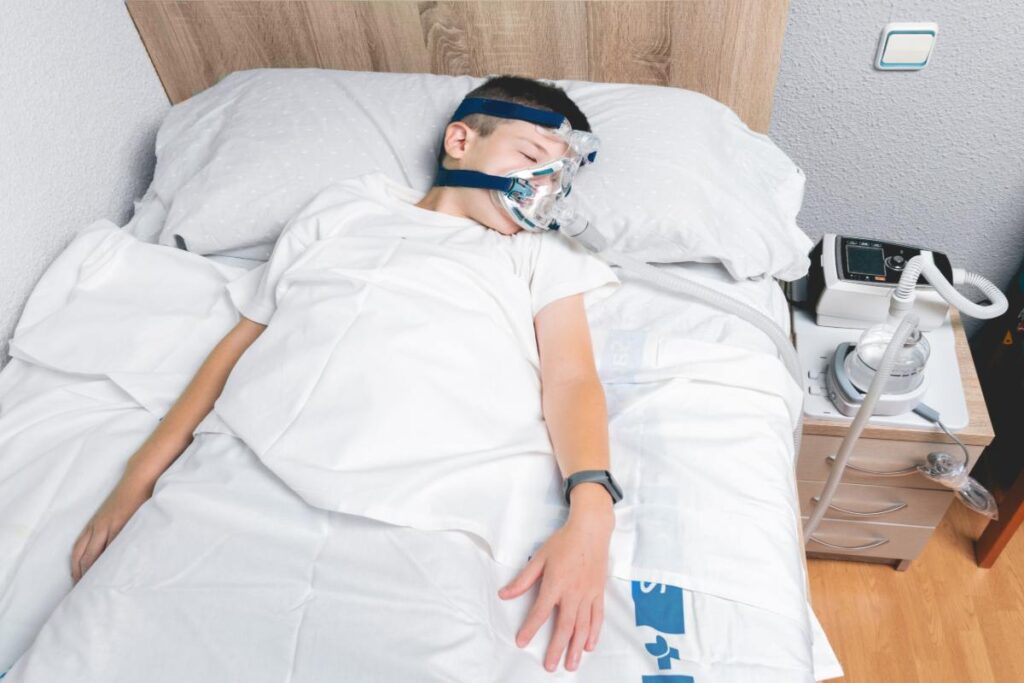
Does your child snore loudly, breathe through their mouth while sleeping, or seem unusually tired during the day? Many parents assume these behaviors are harmless or that their child will simply outgrow them. However, persistent snoring, restless sleep, and daytime fatigue may signal pediatric obstructive sleep apnea (OSA)—a condition that can affect a child’s growth, learning, behavior, and overall health.
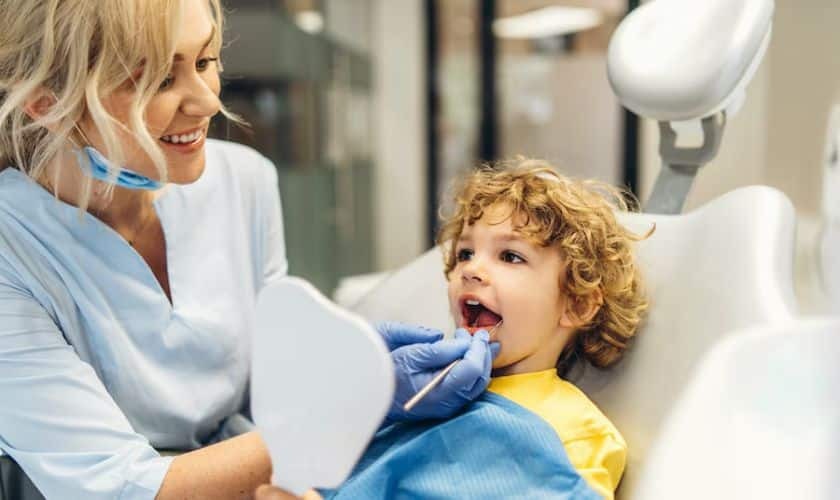
While pediatricians and sleep specialists play a key role in diagnosing and treating sleep apnea in Puyallup, pediatric dentists are increasingly becoming important members of the treatment team. Because they regularly examine the mouth, jaw, airway, and facial development, pediatric dentists can often identify early signs of airway problems that contribute to sleep-disordered breathing.
According to the American Academy of Pediatrics (AAP), approximately 1% to 5% of children have obstructive sleep apnea. Left untreated, pediatric OSA has been associated with behavioral concerns, attention difficulties, poor school performance, growth problems, cardiovascular complications, and reduced quality of life. Early diagnosis and treatment can significantly improve a child’s sleep and long-term health outcomes.
In this guide, you’ll learn how pediatric dentists help identify children at risk for sleep apnea, what treatment options they may provide, when to refer patients to sleep specialists, and how collaborative care supports healthier breathing and better sleep.
What Is Pediatric Obstructive Sleep Apnea?
Pediatric obstructive sleep apnea (OSA) occurs when a child’s upper airway repeatedly becomes partially or completely blocked during sleep.
These interruptions reduce normal airflow and may briefly wake the child multiple times throughout the night—even if they don’t remember waking.
As a result, sleep quality declines, affecting normal physical and mental development.
Common Symptoms of Sleep Apnea in Children
Symptoms may differ from those seen in adults.
Parents should watch for:
- Loud or frequent snoring
- Mouth breathing during sleep
- Restless sleeping
- Pauses in breathing
- Gasping or choking sounds
- Frequent nighttime awakenings
- Bedwetting beyond the typical age
- Morning headaches
- Difficulty waking up
- Daytime sleepiness
- Hyperactivity
- Trouble concentrating
- Poor school performance
- Irritability
Some children exhibit behavioral symptoms rather than obvious sleepiness.
What Causes Pediatric Sleep Apnea?
Several factors can narrow or block a child’s airway.
Common causes include:
Enlarged Tonsils and Adenoids
This is the most common cause of pediatric obstructive sleep apnea.
Enlarged tissues reduce the space available for airflow during sleep.
Jaw Development Problems
Children with:
- Narrow upper jaws
- Small lower jaws
- Crossbites
- High-arched palates
may have smaller airways that contribute to breathing difficulties.
Obesity
According to the CDC, childhood obesity increases the risk of obstructive sleep apnea because excess soft tissue around the airway can make breathing more difficult during sleep.
Allergies and Chronic Nasal Congestion
Persistent nasal blockage encourages mouth breathing, which may negatively affect jaw development and airway function over time.
Genetic Conditions
Certain craniofacial differences and inherited conditions can increase the likelihood of pediatric sleep apnea.
Pediatric Sleep Apnea by the Numbers
Understanding the prevalence of sleep apnea highlights why early screening matters.
Here are some key statistics:
- The American Academy of Pediatrics estimates that 1%–5% of children experience obstructive sleep apnea.
- Habitual snoring affects approximately 3%–12% of children, although not every child who snores has sleep apnea.
- Research published in the journal Pediatrics suggests that untreated sleep apnea can contribute to attention deficits, behavioral challenges, and impaired academic performance.
- The American Academy of Dental Sleep Medicine (AADSM) recognizes dentists as valuable members of interdisciplinary teams managing sleep-related breathing disorders.
How Can a Pediatric Dentist Help?
Many parents are surprised to learn that pediatric dentists routinely evaluate structures related to breathing and airway health.
During regular dental visits, they assess:
- Jaw growth
- Bite alignment
- Palate shape
- Tongue position
- Tooth eruption
- Mouth breathing habits
- Facial development
These observations may identify children who would benefit from further evaluation by a pediatrician or sleep specialist.
Signs a Pediatric Dentist May Notice
A pediatric dentist may observe:
- A narrow upper jaw
- Crowded teeth
- High-arched palate
- Enlarged tonsils visible during the oral examination
- Chronic mouth breathing
- Teeth grinding (bruxism)
- Dry mouth
- Gum inflammation associated with mouth breathing
When these findings are combined with a parent’s report of snoring or restless sleep, we may recommend additional evaluation.
What Happens During the Evaluation?
A pediatric dental evaluation typically includes:
- Review of your child’s medical history
- Questions about sleeping habits
- Discussion of snoring frequency
- Assessment of daytime fatigue
- Examination of jaw growth
- Evaluation of airway-related oral structures
- Bite analysis
- Assessment of facial growth and development
If sleep apnea is suspected, the pediatric dentist may recommend consultation with a pediatrician or sleep physician for additional testing, such as an overnight sleep study (polysomnography), which remains the gold standard for diagnosing obstructive sleep apnea.
Why Early Diagnosis Matters
Sleep-disordered breathing affects more than nighttime rest—it can influence many aspects of a child’s health and development.
Untreated pediatric sleep apnea has been associated with:
- Learning difficulties
- Poor concentration
- Behavioral concerns
- Delayed growth
- Reduced quality of sleep
- Cardiovascular strain
- Orthodontic development issues
Identifying the condition early allows healthcare providers to recommend appropriate treatment before complications become more significant.
How Do Pediatric Dentists Help Treat Sleep Apnea?
A pediatric dentist does not replace a sleep physician or pediatrician. Instead, they work as part of a multidisciplinary healthcare team to improve a child’s airway health and support healthy facial growth.
Treatment recommendations depend on the child’s:
- Age
- Airway anatomy
- Jaw development
- Severity of obstructive sleep apnea (OSA)
- Results of a sleep study
- Medical history
The goal is to improve airflow, encourage normal facial development, and reduce sleep-disordered breathing.
Oral Appliance Therapy
For carefully selected children, a pediatric dentist in Puyallup trained in dental sleep medicine may recommend an oral appliance.
These custom-made devices are designed to:
- Support proper jaw positioning
- Help maintain an open airway during sleep
- Improve breathing
- Reduce snoring in appropriate cases
- Complement other medical treatments
Unlike over-the-counter devices, professionally fabricated oral appliances are customized to fit your child’s mouth and are periodically adjusted as your child grows.
According to the American Academy of Dental Sleep Medicine (AADSM), oral appliance therapy may be appropriate for certain pediatric patients when recommended as part of an interdisciplinary treatment plan.
Growth Guidance and Orthodontic Treatment
Because children’s jaws are still developing, pediatric dentists can identify growth patterns that may contribute to airway narrowing.
Early orthodontic evaluation may help guide facial growth and increase the space available for the tongue and airway.
Children with:
- Narrow dental arches
- Crossbites
- High-arched palates
- Crowded teeth
may benefit from early orthopedic or orthodontic intervention when clinically appropriate.
Rapid Maxillary Expansion (RME)
One treatment that may be recommended for selected children is Rapid Maxillary Expansion (RME).
This orthodontic treatment gradually widens the upper jaw using a specially designed appliance.
Potential benefits include:
- Increased nasal airway space
- Improved nasal breathing
- Reduced mouth breathing
- Better dental alignment
- Improved arch development
Several clinical studies have reported improvements in breathing and reductions in sleep-disordered breathing symptoms in appropriately selected children following maxillary expansion.
However, RME is not appropriate for every child and should only be recommended after a comprehensive evaluation.
Monitoring Facial Growth
Routine dental visits allow pediatric dentists to monitor changes in:
- Jaw development
- Bite alignment
- Tooth eruption
- Airway-related growth
- Facial symmetry
Because children grow rapidly, regular monitoring helps ensure treatment recommendations remain appropriate over time.
Managing Mouth Breathing
Persistent mouth breathing can affect both oral health and facial development.
Children who breathe primarily through their mouths may experience:
- Dry mouth
- Increased cavity risk
- Gum inflammation
- Poor sleep quality
- Altered facial growth
- Speech concerns
A pediatric dentist works to identify the underlying cause and may recommend referrals to other specialists when needed.
Collaboration with Other Healthcare Providers
Sleep apnea is rarely managed by one provider alone.
A pediatric dentist may work closely with:
- Pediatricians
- Sleep medicine physicians
- Ear, Nose, and Throat (ENT) specialists
- Orthodontists
- Allergists
- Oral and maxillofacial surgeons
- Myofunctional therapists (when appropriate)
This collaborative approach helps ensure that every contributing factor is addressed.
For example:
- Enlarged tonsils may require evaluation by an ENT specialist.
- Allergies may need medical treatment.
- Obesity may require nutritional counseling and pediatric follow-up.
- Jaw development concerns may benefit from orthodontic intervention.
Can Enlarged Tonsils Cause Sleep Apnea?
Yes.
According to the American Academy of Pediatrics, enlarged tonsils and adenoids remain the most common cause of obstructive sleep apnea in otherwise healthy children.
When significantly enlarged, these tissues reduce the airway space during sleep.
In many children, adenotonsillectomy (removal of the tonsils and adenoids) may substantially improve breathing.
Even after surgery, however, some children continue to experience symptoms, making ongoing dental and medical follow-up important.
Lifestyle Changes That Support Better Sleep
Although lifestyle changes alone may not cure pediatric sleep apnea, they can improve overall airway health.
Parents can encourage:
Healthy Weight Management
The CDC reports that childhood obesity increases the likelihood of obstructive sleep apnea.
Encouraging balanced nutrition and regular physical activity supports overall health and may reduce airway-related complications.
Good Sleep Habits
Children should maintain:
- Consistent bedtimes
- Age-appropriate sleep duration
- Limited screen time before bed
- A quiet, comfortable sleep environment
Healthy sleep routines improve sleep quality and overall well-being.
Managing Allergies
Treating seasonal or chronic allergies may reduce nasal congestion and encourage healthy nasal breathing.
Parents should follow recommendations from their child’s pediatrician or allergist.
Routine Dental Visits
Regular dental examinations allow pediatric dentists to monitor oral development and identify changes that could affect airway function as a child grows.
Is Treatment Effective?
Yes—when the underlying cause is identified and treated appropriately.
Research published in Sleep Medicine Reviews, Pediatrics, and the Journal of Clinical Sleep Medicine demonstrates that early diagnosis and multidisciplinary treatment can improve:
- Sleep quality
- Daytime behavior
- Attention span
- Academic performance
- Growth
- Quality of life
Every child’s treatment plan is unique, which is why comprehensive evaluation is so important before beginning therapy.
Conclusion
Pediatric obstructive sleep apnea is more than just snoring—it is a medical condition that can affect your child’s sleep quality, behavior, learning, growth, and overall health. Fortunately, early diagnosis and collaborative treatment can make a significant difference. Pediatric dentists can help recognize potential airway concerns during routine dental visits and recommend further evaluation when appropriate.
In addition to monitoring oral development, pediatric dentists may recommend treatments such as growth-guidance orthodontics or oral appliance therapy for carefully selected patients as part of a multidisciplinary care plan. Working alongside pediatricians, sleep medicine physicians, orthodontists, and ENT specialists, they can support healthy airway function and proper facial and dental development.
If your child snores regularly, breathes through their mouth during sleep, or experiences restless nights and daytime fatigue, don’t ignore these symptoms. Visit our dental practice in Puyallup for an evaluation and discuss your concerns with Dr. Ryan Hanks. Book now or schedule an appointment to take an important step toward identifying potential sleep-related concerns and supporting your child’s long-term oral and overall health.
Frequently Asked Questions
- Can our pediatric dentist identify signs of sleep apnea?
Our pediatric dentist can recognize oral and airway-related warning signs of sleep-disordered breathing. A confirmed diagnosis usually requires a sleep study and evaluation by a physician or sleep specialist.
- What signs of sleep apnea should we watch for in our child?
Watch for loud or frequent snoring, mouth breathing, restless sleep, breathing pauses, gasping, daytime tiredness, trouble concentrating, hyperactivity, or morning headaches.
- Can orthodontic treatment improve sleep apnea in children?
In certain cases, treatments such as rapid maxillary expansion may support better nasal breathing and airway development. Our dental team can determine whether an orthodontic evaluation is appropriate.
- Can our child safely use an oral appliance for sleep apnea?
A custom oral appliance may be suitable for some children when prescribed and monitored by qualified professionals. Regular visits are important because children’s jaws and teeth continue to develop.
- When should we have our child evaluated for snoring?
If your child frequently snores loudly, pauses while breathing, gasps during sleep, breathes through their mouth, or is unusually tired during the day, contact our dental team and pediatrician for an evaluation.