If you’ve been told you need a dental implant, you may be excited about restoring your smile—but also anxious about the procedure itself. You’re not alone. Dental anxiety affects millions of Americans, and for many people, the thought of oral surgery can delay or even prevent them from receiving the care they need. Fortunately, sedation dentistry has made dental implant surgery more comfortable, helping patients feel relaxed before, during, and after treatment.
Dental implants are considered one of the most reliable and long-lasting solutions for replacing missing teeth. During the procedure, a titanium implant post is carefully placed into the jawbone, where it gradually fuses with the bone through a natural process called osseointegration. While the surgery is typically performed using local anesthesia to numb the treatment area, many patients also choose sedation dentistry to reduce anxiety, improve comfort, and make the experience feel shorter and less stressful.
According to the American Dental Association (ADA), dental anxiety is a common barrier to receiving routine and restorative dental care. Research published in the Journal of Dental Research estimates that 10% to 20% of adults experience moderate to severe dental anxiety, while millions more report some level of fear before dental procedures. At the same time, long-term studies show that dental implants have a success rate exceeding 95% in healthy patients who maintain good oral hygiene and attend regular follow-up visits.
In this guide, you’ll learn how sedation dentistry works during dental implant surgery, the different types of sedation available, who may benefit from sedation, and how modern techniques help make implant treatment safer and more comfortable than ever before.
Why Do Patients Choose Sedation for Dental Implant Surgery?
Many people assume implant surgery is painful. In reality, local anesthesia prevents pain during the procedure, while sedation helps patients feel relaxed throughout the appointment.
Common reasons patients request sedation include:
- Dental anxiety or fear
- Previous negative dental experiences
- Sensitive gag reflex
- Difficulty sitting still for extended periods
- Multiple implants being placed during one visit
- Complex oral surgery
- Fear of needles or dental instruments
Sedation allows many patients to receive needed treatment they might otherwise postpone.
How Does Sedation Improve the Implant Experience?
1. Reduces Dental Anxiety
Dental anxiety can cause:
- Increased heart rate
- Sweating
- Muscle tension
- Difficulty relaxing
- Elevated blood pressure
Sedation helps calm the body’s stress response, allowing patients to remain comfortable throughout treatment.
For many individuals, simply knowing sedation is available makes scheduling implant surgery in Puyallup much less intimidating.
2. Creates a More Relaxing Appointment
Many patients describe sedation as feeling:
- Calm
- Sleepy
- Peaceful
- Less aware of time passing
Depending on the type of sedation used, patients may remember little or none of the procedure.
This often reduces fear during future dental visits.
3. Helps Patients Sit Comfortably Longer
Dental implant procedures can sometimes last one to several hours, depending on:
- Number of implants
- Bone grafting needs
- Sinus lift procedures
- Tooth extractions
- Full-arch implant treatment
Remaining relaxed allows the dental team to work more efficiently while improving patient comfort.
4. Reduces Gag Reflex Sensitivity
Patients with a strong gag reflex often struggle during dental procedures.
Sedation can decrease gag reflex activity, making treatment easier for both the patient and the dental team.
5. Makes Complex Procedures Feel Shorter
Although time passes normally, many patients perceive the procedure as much shorter than it actually was.
This altered perception is one reason sedation dentistry in Puyallup has become increasingly popular for implant surgery.
Dental Implants and Sedation: Key Statistics
Modern implant dentistry continues to deliver excellent outcomes with advanced anesthesia and sedation techniques.
Here are some important facts:
- According to the American Academy of Implant Dentistry (AAID), more than 3 million Americans currently have dental implants, and that number continues to grow by approximately 500,000 implants each year.
- Research published in the Journal of Clinical Periodontology reports that dental implant survival rates commonly exceed 95% after 10 years in healthy patients with proper maintenance.
- Studies estimate that 10%–20% of adults experience significant dental anxiety, making sedation an important option for improving access to dental care.
- The American Association of Oral and Maxillofacial Surgeons (AAOMS) notes that modern sedation techniques are safe when administered by properly trained dental professionals who follow established monitoring protocols.
Is Dental Implant Surgery Painful?
One of the biggest misconceptions about dental implants is that the procedure itself is extremely painful.
In reality:
- Local anesthesia numbs the surgical area.
- Sedation reduces anxiety and awareness.
- Most patients report feeling pressure rather than pain during implant placement.
According to multiple clinical studies, many patients compare implant surgery recovery to the discomfort experienced after a routine tooth extraction.
Who Is a Good Candidate for Sedation Dentistry?
Sedation may be appropriate for patients who:
- Experience moderate to severe dental anxiety
- Need multiple dental implants
- Have difficulty remaining still
- Have a sensitive gag reflex
- Require extensive oral surgery
- Have had traumatic dental experiences
- Prefer a more relaxed treatment experience
Before recommending sedation, your Puyallup dentist will review:
- Medical history
- Current medications
- Allergies
- Overall health
- Previous experiences with anesthesia or sedation
This evaluation helps ensure the safest and most effective treatment plan for your individual needs.
Types of Sedation Used During Dental Implant Surgery
The type of sedation your dentist recommends depends on several factors, including the complexity of your procedure, your overall health, and your level of dental anxiety.
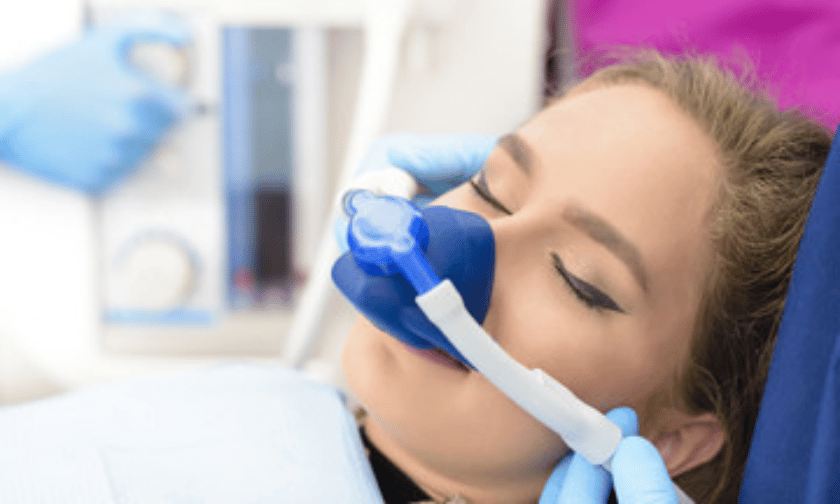
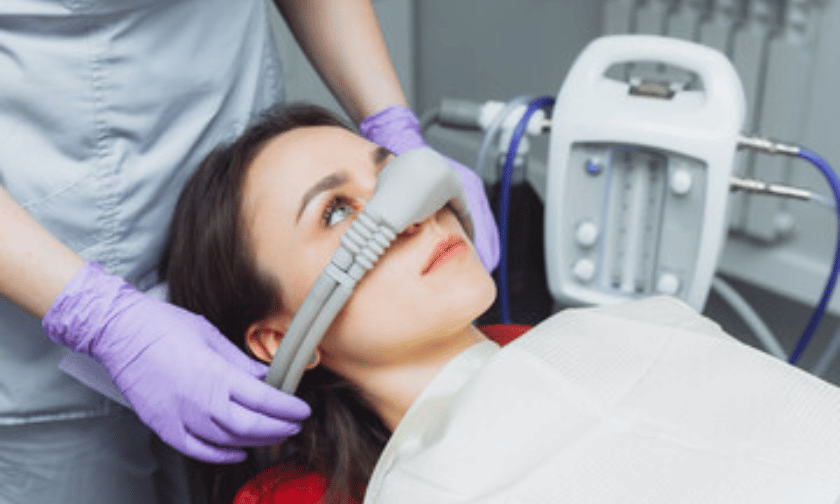
Nitrous Oxide (Laughing Gas)
Nitrous oxide is one of the mildest forms of dental sedation.
Administered through a small mask placed over the nose, it helps patients feel calm while remaining awake and responsive.
Benefits include:
- Fast onset of relaxation
- Adjustable sedation level
- Quick recovery after treatment
- Ability to drive home in many cases, if approved by your dentist in Puyallup.
Nitrous oxide is often recommended for patients with mild dental anxiety or shorter implant procedures.
Oral Conscious Sedation
Oral sedation involves taking a prescribed medication before your appointment.
Patients usually remain awake but deeply relaxed and may have little memory of the procedure.
This option is often recommended for:
- Moderate dental anxiety
- Longer procedures
- Patients with difficulty relaxing in the dental chair
Because the medication’s effects last longer, someone else will need to drive you home after your appointment.
Intravenous (IV) Sedation
IV sedation provides a deeper level of relaxation and is commonly used for complex implant surgeries.
The dental team administers medication directly into a vein, allowing them to adjust the sedation level throughout the procedure.
Many patients:
- Feel deeply relaxed
- Have little or no memory of treatment
- Remain able to respond to verbal instructions
IV sedation is frequently chosen for:
- Multiple dental implants
- Full-arch implant procedures
- Bone grafting
- Sinus lift surgery
General Anesthesia
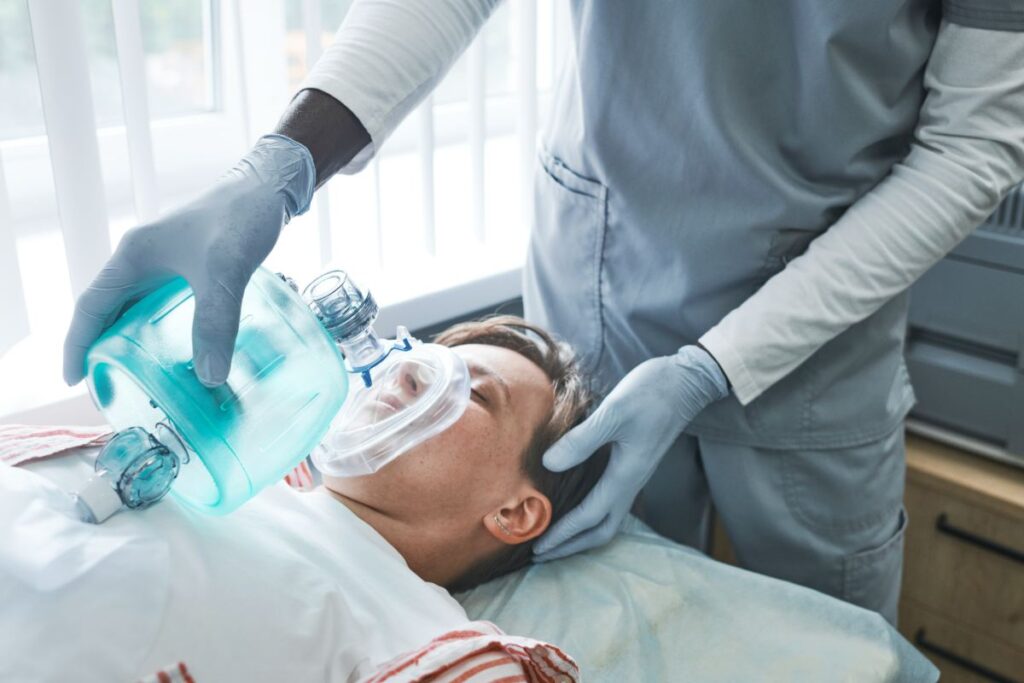
Although less common in routine dental practices, general anesthesia may be recommended for certain complex cases or patients with specific medical or special healthcare needs.
Under general anesthesia:
- The patient is completely unconscious.
- Continuous monitoring is required.
- Recovery takes longer than with lighter forms of sedation.
Your oral surgeon will determine whether general anesthesia is appropriate based on your individual needs.
Is Sedation Dentistry Safe?
For most healthy patients, sedation dentistry has an excellent safety record when performed by trained professionals following established guidelines.
Before treatment, your dental team will review:
- Medical history
- Current medications
- Allergies
- Existing health conditions
- Previous experiences with anesthesia
During the procedure, trained staff monitor important vital signs such as:
- Heart rate
- Blood pressure
- Oxygen levels
- Breathing
Following these protocols helps minimize risks and supports patient safety.
What Does Recovery Feel Like?
Recovery depends on the type of sedation used.
Nitrous Oxide
Most patients recover within minutes after the gas is discontinued.
Many return to normal daily activities shortly afterward, if cleared by their dentist.
Oral Sedation
Patients often feel sleepy for several hours.
Plan to:
- Rest at home
- Avoid driving
- Skip important decisions for the remainder of the day
- Follow all post-operative instructions
IV Sedation
Recovery may take longer than oral sedation.
A responsible adult should:
- Drive you home
- Stay with you until the sedative effects wear off
- Help monitor your recovery if recommended
Most patients return to normal activities the following day unless instructed otherwise.
Benefits of Sedation Dentistry During Implant Surgery
Sedation offers more than anxiety relief.
Additional benefits include:
- Greater patient comfort
- Reduced awareness of sounds and sensations
- Easier treatment for patients with a strong gag reflex
- Improved cooperation during lengthy procedures
- Reduced muscle tension
- Better overall treatment experience
Many patients who previously avoided dental care report greater confidence returning for future visits after a positive sedation experience.
Possible Side Effects
Most side effects are mild and temporary.
Depending on the type of sedation, you may experience:
- Drowsiness
- Dry mouth
- Mild dizziness
- Temporary grogginess
- Slight nausea (less common)
Your dental team will explain what to expect and provide detailed recovery instructions before you leave.
How to Prepare for Sedation Dentistry
Preparing in advance helps your appointment go smoothly.
Your dentist in Puyallup, WA may recommend:
- Following fasting instructions if required
- Taking medications only as directed
- Wearing comfortable clothing
- Avoiding alcohol before the procedure
- Arranging transportation home for oral or IV sedation
- Sharing any recent changes in your medical history
Following these instructions helps maximize both comfort and safety.
Common Myths About Sedation Dentistry
Myth 1: You’ll Be Completely Asleep
Fact: Not always.
Many forms of sedation keep you awake enough to respond while helping you feel deeply relaxed.
Only general anesthesia causes complete unconsciousness.
Myth 2: Sedation Replaces Local Anesthesia
Fact: Sedation reduces anxiety and promotes relaxation, while local anesthesia numbs the treatment area to prevent pain.
The two are often used together during dental implant surgery.
Myth 3: Sedation Is Only for Major Surgery
Fact: Sedation can also be used for shorter procedures if a patient has significant dental anxiety or difficulty tolerating treatment.
Myth 4: Sedation Is Unsafe for Most Adults
Fact: When administered by trained professionals after a thorough medical evaluation, sedation dentistry is considered safe for most appropriately selected patients.
Tips for a Smooth Recovery After Implant Surgery
Following your Puyallup dentist’s post-operative instructions can support healing and improve your overall experience.
Helpful tips include:
- Rest for the remainder of the day.
- Keep the surgical area clean as instructed.
- Eat soft foods during the initial healing period.
- Stay hydrated.
- Avoid smoking or vaping, as these habits can delay healing and reduce implant success.
- Attend all scheduled follow-up appointments.
- Take prescribed medications exactly as directed.
These steps help promote proper healing and long-term implant stability.
Conclusion
Dental implant surgery is one of the most predictable and successful tooth replacement procedures available today, and sedation dentistry can make the experience more comfortable for many patients. Whether you’re replacing a single missing tooth or undergoing full-mouth implant rehabilitation, sedation can help reduce anxiety, minimize stress, and create a more relaxed treatment experience without compromising safety.
Studies consistently show that dental implants have long-term success rates exceeding 95% when placed in healthy patients who maintain good oral hygiene and attend regular follow-up appointments. For patients with dental anxiety, a strong gag reflex, or complex treatment needs, sedation dentistry can make it easier to receive the care they need while improving overall comfort and confidence throughout the procedure.
If you’ve been delaying dental implant treatment because of fear or anxiety, schedule an appointment with Puyallup Dentist Dr. Ryan Hanks to discuss your sedation and implant options. A personalized treatment plan that combines modern implant techniques, local anesthesia, and appropriate sedation can help you restore your smile comfortably while supporting long-term oral health.
Frequently Asked Questions
- Will dental implant surgery hurt if I receive sedation?
Local anesthesia is used to numb the treatment area, while sedation helps you remain relaxed. You may notice pressure or movement, but you should not feel sharp pain during the procedure.
- What sedation options are available for dental implant surgery?
Sedation may include nitrous oxide, oral sedation, or IV sedation. The appropriate option depends on your health history, anxiety level, and the complexity of your implant procedure.
- Is sedation safe during dental implant treatment?
Sedation is generally safe when administered by qualified dental professionals who review your health history, select the appropriate method, and monitor you throughout treatment.
- How quickly will I recover after dental sedation?
Recovery depends on the sedation method. Nitrous oxide usually wears off quickly, while oral or IV sedation may cause drowsiness for several hours.
- Can I drive home after receiving sedation for dental implants?
Patients receiving oral or IV sedation generally need a responsible adult to drive them home. After nitrous oxide, our dentist will determine when it is safe for you to drive.