Are you tired of feeling self-conscious about missing teeth and uncomfortable dentures? Say hello to dental implants! Unlike other tooth replacement options, dental implants offer a permanent solution that looks, feels, and functions like your natural teeth. In this blog post, we’ll explore the numerous benefits of choosing dental implants over alternatives such as bridges and dentures. Get ready to discover why more people are opting for this innovative treatment option – it’s time to smile with confidence again!
Dental Implants
If you are missing one or more teeth, you may be considering your tooth replacement options. Dental implants are a popular choice for many people, as they offer a number of benefits over other options such as dentures and bridges.
Dental implants are designed to look and function just like your natural teeth. They are also permanent, meaning they will not need to be replaced like dentures or bridges. Additionally, dental implants do not require special care; you can brush and floss them just like your natural teeth.
Another advantage of dental implants is that they help to preserve the bone in your jaw. When you lose a tooth, the bone around that tooth begins to deteriorate. This can eventually lead to further tooth loss. Dental implants help to prevent this by keeping the bone healthy and strong.
Finally, dental implants can give you back your confidence. When you have missing teeth, it can be difficult to smile or speak with confidence. Dental implants will allow you to smile and speak with confidence knowing that your teeth look great!
Advantages of Dental Implants Over Other Tooth Replacement Options
There are many advantages of dental implants over other tooth replacement options. Dental implants are designed to provide a natural looking and feeling smile, and they are also very strong and durable. They can last a lifetime with proper care, while other options such as dentures or bridges may need to be replaced several times over the course of your life.
Dental implants are also much easier to care for than other options. You simply brush and floss them like your natural teeth, and there is no need to remove them for cleaning. Other options such as dentures can be difficult to keep clean and can require special solutions and brushes.
Another advantage of dental implants is that they preserve your jawbone. When you lose a tooth, the bone around it begins to deteriorate. This can lead to a change in your facial appearance over time. Dental implants help to preserve the jawbone and prevent this from happening.
Finally, dental implants can give you back your confidence. When you lose teeth, it can affect your ability to eat, speak, and smile with confidence. Dental implants will allow you to do all of these things without worry or embarrassment.
Types of Dental Implants
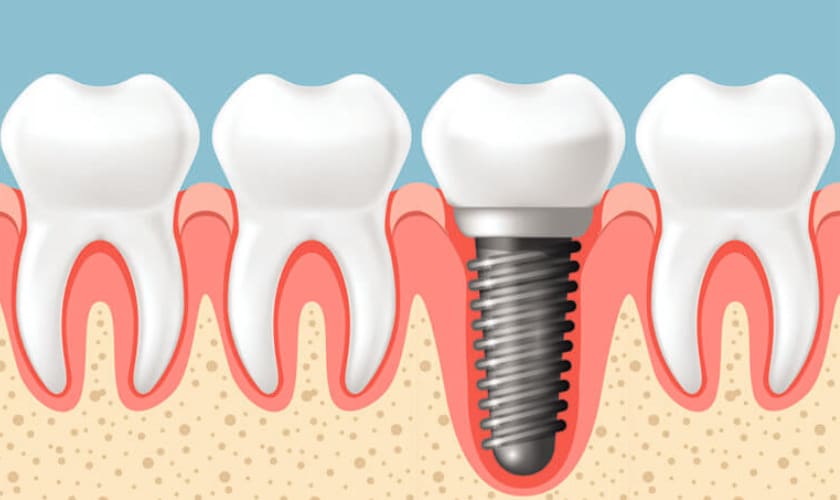
There are three main types of dental implants: endosteal, subperiosteal, and zygomatic. Endosteal implants are the most common type of implant and are placed directly into the jawbone. Subperiosteal implants are placed under the gum but on or above the jawbone. Zygomatic implants are placed in the cheekbone.
Endosteal Implants:
Advantages:
- Can be used in patients who have moderate to severe bone loss
- Can be used in patients who have healthy gums
- Relatively simple surgery with a low risk of complications
Disadvantages:
- Requires a longer healing time than other types of implants (3-6 months)
- May require a second surgery to expose the implant if it does not heal properly
Subperiosteal Implants:
Advantages:
- Shorter healing time than endosteal implants (2-4 weeks)
- Does not require a second surgery to expose the implant if it does not heal properly
Disadvantages:
- More expensive than endosteal implants
- May not be suitable for patients who have severe bone loss
Benefits of Dental Implants
There are many benefits that come with choosing dental implants over other tooth replacement options. For one, dental implants are much more durable and long-lasting than other options. They are also much easier to care for – simply brush and floss as you would with your natural teeth. Additionally, dental implants look and feel just like your natural teeth, so you can smile and speak with confidence. Finally, dental implants can help to preserve the jawbone and prevent further tooth loss.
Cost of Dental Implants
Dental implants are often the most expensive tooth replacement option available, but they are also the most effective. Unlike dentures or bridges, dental implants are permanent and will not need to be replaced over time. In addition, dental implants can help preserve bone in the jaw and prevent further deterioration of the teeth and gums. For these reasons, many patients choose to invest in dental implants even though they may cost more upfront.
Procedure for Placement of Dental Implants
Dental implants are one of the most popular tooth replacement options available today. They are strong, durable, and look natural. If you are considering dental implants, here is what you need to know about the placement procedure.
The first step is to consult with your dentist to see if dental implants are the right option for you. If they are, your dentist will take X-rays and impressions of your teeth to develop a treatment plan.
Next, the implant post will be placed into your jawbone. This is a minor surgical procedure that is usually done under local anesthesia. You may feel some pressure during this part of the procedure, but it should not be painful.
After the implant post has been placed, you will need to wait for it to heal before the next step can be taken. This healing process can take several months. During this time, your dentist will make sure that the implant post is securely in place and that you are healing properly.
Once the implant has healed, it is time for the artificial tooth (or teeth) to be attached. This part of the procedure is usually done in one or two visits and does not require anesthesia. You will be able to eat and drink normally after this part of the procedure is complete.
Dental implants are a great option for replacing missing teeth. The placement procedure is relatively simple and straightforward, and recovery is typically quick and easy. With proper care, your dental implants can last a lifetime!
Risks and Complications of Dental Implants
Dental implants are often touted as the best option for tooth replacement, but it’s important to be aware of the risks and complications associated with this procedure. While dental implants are generally safe and effective, there are a few potential risks and complications that you should be aware of before making the decision to undergo treatment.
The most common complication associated with dental implants is infection. This can occur at the implant site or in the surrounding tissue, and can lead to pain, swelling, and redness. If left untreated, an infection can spread to other parts of the body and become life-threatening. Other potential complications include nerve damage, which can cause numbness or tingling in the lips, gums, or chin; sinus problems; and even bone loss.
Although rare, some people may also experience an allergic reaction to the materials used in dental implants. If you have any allergies or sensitivities, be sure to discuss them with your dentist before undergoing treatment.
It’s important to note that not everyone is a good candidate for dental implants. People with certain medical conditions, such as diabetes or heart disease, may not be able to safely undergo implant surgery. Be sure to discuss your medical history with your dentist before making the decision to get dental implants.
Aftercare for Dental Implants
Aftercare for dental implants is fairly simple. Be sure to brush and floss regularly and see your dentist for routine checkups. Avoid chewing on hard foods or using your teeth as tools. With proper care, your new teeth can last a lifetime!
Conclusion
Dental implants are a wonderful choice for those looking to replace lost teeth. They offer unparalleled stability, durability, and natural aesthetics that make them the preferred option over other tooth replacement options. With proper care and maintenance, dental implants can last a lifetime, making them an excellent long-term investment in your oral health. If you’re considering replacing missing teeth with something more permanent than dentures or bridges, be sure to talk to your dentist about the benefits of dental implants.
FAQs
When it comes to replacing missing teeth, patients have a few different options to choose from. Dental implants are quickly becoming one of the most popular choices, and for good reason. Here are three FAQs about dental implants that can help you decide if they’re right for you.
Q. What are dental implants?
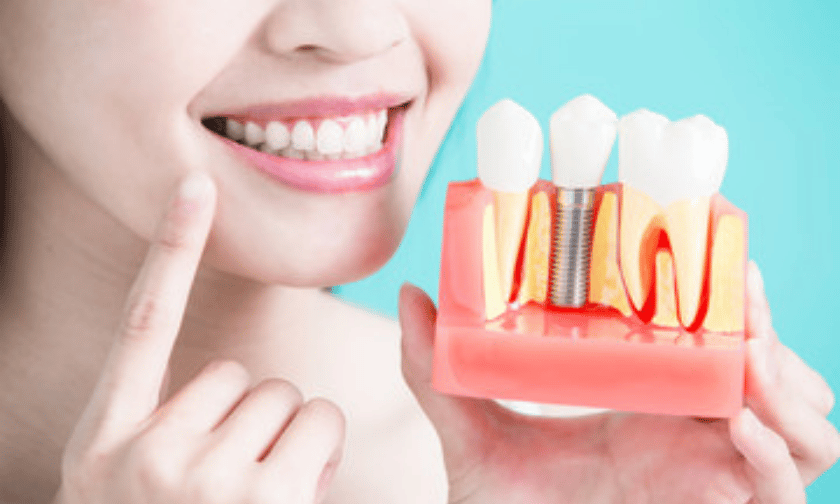
A. Dental implants are small titanium posts that are placed in the jawbone to act as artificial tooth roots. Once in place, they provide a sturdy foundation for replacement teeth (called crowns) to be attached.
Q. How do dental implants differ from other tooth replacement options?
A. Unlike dentures and bridges, which rest on top of the gums, or partial dentures, which are attached to existing teeth, dental implants are permanently anchored in the jawbone. This provides more stability and results in a more natural-looking and feeling smile. Additionally, because dental implants don’t rely on surrounding teeth for support, there is no need to alter healthy teeth as with bridges. And unlike dentures, which can slip and slide around in the mouth, dental implants function just like natural teeth—allowing you to eat and speak with confidence.
Q. Are dental implants expensive?
A. The cost of dental implants varies depending on the number of teeth being replaced and other factors unique to each patient. However, many insurance plans now cover at least a portion of implant surgery costs. And when you compare the long-term benefits of dental implants (which can last a lifetime with proper care) to traditional tooth replacement options, the cost is often worth it.