Have you noticed your child snoring loudly, sleeping with their mouth open, or waking up with a dry mouth? Perhaps your child seems restless at night but struggles to concentrate during the day. These signs may seem unrelated to dental health, but they can sometimes point to a sleep-related breathing problem called pediatric obstructive sleep apnea (OSA).
For parents in Puyallup, WA, understanding the connection between sleep and oral health can help you recognize potential concerns early. Sleep apnea affects breathing during sleep, and related habits, such as persistent mouth breathing, may contribute to dry mouth and other oral health concerns. The American Academy of Pediatric Dentistry (AAPD) reports that obstructive sleep apnea affects approximately 1% to 5% of children and can occur at different ages, with a higher occurrence often reported in younger children.
So, can sleep apnea affect your child’s oral health? Yes, it can be linked to several dental and oral concerns, though effects vary from child to child. Understanding these connections can help you decide when to discuss your child’s symptoms with a dentist or pediatrician.
What Is Pediatric Sleep Apnea?
Obstructive sleep apnea occurs when a child’s upper airway repeatedly becomes partially or completely blocked during sleep. These interruptions can reduce airflow and disrupt normal sleep patterns. A child may briefly wake up or arouse many times throughout the night without fully realizing it.
In children, enlarged tonsils and adenoids commonly contribute to airway obstruction. Other risk factors can include excess weight, certain craniofacial differences, and neuromuscular conditions.
The American Academy of Pediatrics reports childhood obstructive sleep apnea prevalence estimates ranging from about 1.2% to 5.7%, depending on the studies and diagnostic criteria used. When left untreated, it can affect sleep quality, behavior, learning, and overall health.
Sleep apnea isn’t just loud snoring. Some children snore without sleep apnea, but persistent snoring—especially when accompanied by gasping or pauses in breathing—warrants medical attention.
How Can Sleep Apnea Affect Your Child’s Oral Health?
Sleep apnea in Puyallup does not automatically cause cavities or gum disease. However, breathing difficulties, chronic mouth breathing, and certain oral or facial characteristics associated with sleep-disordered breathing may influence a child’s oral health.
1. Mouth Breathing Can Cause Dry Mouth
One possible sign of sleep-disordered breathing is sleeping with the mouth open. When mouth breathing happens regularly, saliva may evaporate faster, leaving the mouth feeling dry.
Saliva plays an important role in protecting teeth. It helps wash away food particles, neutralize acids produced by oral bacteria, and support the natural remineralization of tooth enamel. When saliva is reduced, or its protective effects are compromised, the mouth may become more vulnerable to oral health problems.
Parents may notice these signs in the morning:
- A dry or sticky mouth after waking up
- Cracked or dry lips
- Bad breath despite regular brushing
- A frequent need to drink water during the night
- Complaints of an uncomfortable or dry tongue
Dry mouth can have several causes, including medications, dehydration, and other medical conditions. It does not confirm sleep apnea by itself. However, if your child frequently wakes up with a dry mouth and also snores or breathes through their mouth, discuss these symptoms with your child’s healthcare provider.
2. Dry Mouth May Increase the Risk of Tooth Decay
A dry mouth can make it harder for saliva to perform its normal protective functions. This may increase the risk of cavities, particularly when combined with frequent sugary snacks, sweetened drinks, inadequate brushing, or limited fluoride exposure.
The National Institute of Dental and Craniofacial Research explains that saliva helps protect teeth and that persistent dry mouth can contribute to tooth decay and oral discomfort.
Children’s teeth are especially important to protect because both primary and permanent teeth play essential roles in chewing, speaking, and maintaining space for developing teeth.
If your child has possible sleep-related breathing problems, keep preventive dental care going rather than assuming breathing is the only concern. A dentist can check for early signs of enamel damage, cavities, and other changes that may need attention.
3. Persistent Mouth Breathing May Affect Gum Health
Saliva helps keep oral tissues moist and supports the mouth’s natural defenses. When the mouth remains dry, the gums and other soft tissues may become irritated.
Some children who breathe through their mouths may develop dryness or redness around the front gums and lips. However, gum inflammation is also commonly related to plaque buildup and inadequate oral hygiene, so mouth breathing should not automatically be considered the cause.
Help your child maintain a consistent routine:
- Brush twice daily with fluoride toothpaste.
- Floss once daily when the teeth touch.
- Drink water regularly throughout the day.
- Limit frequent sugary snacks and drinks.
- Attend routine dental examinations and professional cleanings.
If your child has bleeding gums, persistent redness, tenderness, or swelling, schedule a dental examination to identify the cause and determine the appropriate treatment.
4. Sleep-Related Breathing Problems May Be Associated With Dental Development
Children’s jaws, teeth, and facial structures continue developing as they grow. Certain craniofacial characteristics, including differences in jaw position or palate shape, may be associated with a higher risk of obstructive sleep apnea.
The relationship can work in both directions: some anatomical features may contribute to airway narrowing, while chronic breathing difficulties during growth may be associated with changes in oral and facial development. Researchers continue to investigate these relationships, and not every child with a narrow palate, crowded teeth, or an abnormal bite has sleep apnea.
Possible dental concerns include:
- Crowded or overlapping teeth
- A narrow upper dental arch
- An overbite or underbite
- Differences in jaw position
- A developing bite that may benefit from orthodontic evaluation
During routine examinations, a pediatric dentist in Puyallup can assess your child’s bite and dental development. If the examination raises concerns about airway function, your dentist may recommend consultation with a pediatrician, an ear, nose, and throat specialist, or a sleep medicine professional.
Dental findings alone cannot diagnose obstructive sleep apnea.
5. Poor Sleep May Affect Daily Habits and Oral Hygiene
Children who don’t get restful sleep may become irritable, have difficulty concentrating, show behavioral changes, or feel tired during the day. The American Academy of Pediatric Dentistry identifies learning and behavioral difficulties among the possible consequences of untreated pediatric obstructive sleep apnea.
When a child feels tired or struggles with daily routines, they may brush and floss less consistently. Parents may also notice changes in eating habits or an increased preference for convenient snacks.
These behaviors do not mean sleep apnea directly causes cavities. Instead, disrupted sleep may make healthy routines harder to maintain, which can affect oral hygiene over time.
Establish a simple morning and bedtime routine, supervise brushing when appropriate for your child’s age, and talk with your pediatrician if sleep problems are interfering with daily activities.
What Are the Warning Signs of Sleep Apnea in Children?
Children do not always show the same symptoms as adults. Some may seem restless rather than sleepy, and parents may not realize nighttime breathing difficulties are happening.
Watch for the following signs:
- Loud or frequent snoring
- Pauses in breathing during sleep
- Gasping, choking, or snorting at night
- Sleeping with the mouth open
- Restless sleep or frequent nighttime awakenings
- Persistent morning dry mouth or headaches
- Daytime irritability or difficulty concentrating
- Unusual daytime tiredness
- Bed-wetting that occurs alongside other sleep-related symptoms
No single symptom confirms sleep apnea. However, the American Academy of Pediatrics recommends further evaluation when a child regularly snores and has additional symptoms or findings associated with obstructive sleep apnea. A sleep study, also called polysomnography, may be recommended to establish the diagnosis and assess its severity.
If your child repeatedly pauses breathing, gasps, or has difficulty breathing during sleep, contact their healthcare provider promptly. Seek emergency medical care if your child is currently struggling to breathe, has blue or gray lips, or is difficult to awaken.
How Can Parents Protect Their Child’s Oral Health?
While sleep apnea requires appropriate medical evaluation, parents can take practical steps to protect their child’s teeth and gums.
Maintain Preventive Dental Visits
Regular dental examinations help identify cavities, gum inflammation, enamel changes, and developmental concerns before they become more complicated. Your dentist can also ask about mouth breathing, dry mouth, snoring, and other symptoms that may warrant further evaluation.
Encourage Healthy Sleep Habits
Maintain a consistent bedtime, create a calm sleeping environment, and follow age-appropriate sleep recommendations. Healthy sleep habits support general well-being, although they cannot correct every physical cause of obstructive sleep apnea.
Help Your Child Practice Good Oral Hygiene
Use fluoride toothpaste appropriate for your child’s age, brush twice daily, and clean between the teeth once a day. A dentist can recommend suitable fluoride products and preventive treatments based on your child’s cavity risk.
Discuss Persistent Dry Mouth
Encourage water consumption and discuss recurring dryness with your child’s dentist or pediatrician. Do not give children medications or dry-mouth products without checking whether they are appropriate for their age and health needs.
Follow Up on Suspected Sleep Apnea
A dentist can identify oral findings that raise concerns, but diagnosing sleep apnea requires medical evaluation. Depending on your child’s symptoms, the next step may involve a pediatrician, an ear, nose, and throat specialist, or a sleep specialist.
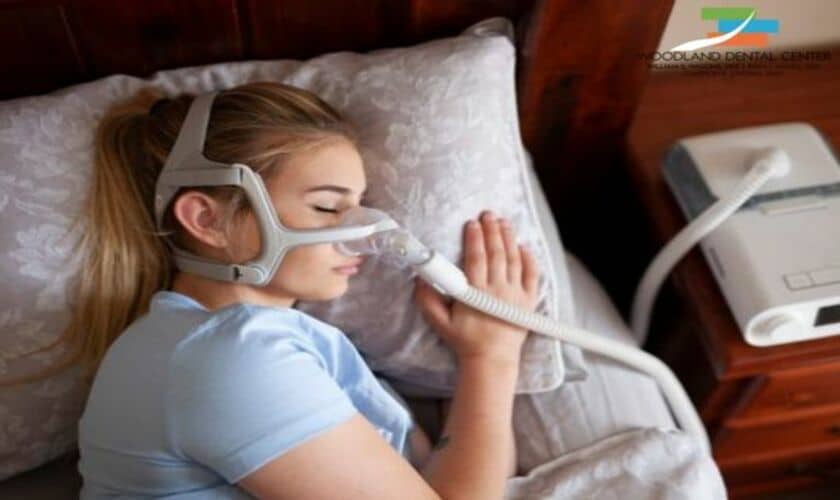
Treatment depends on the cause and severity. For many children with obstructive sleep apnea related to enlarged tonsils and adenoids, surgery may be recommended. Other children may need additional approaches, such as positive airway pressure therapy or carefully selected treatments under specialist supervision.
The right plan should be individualized to your child, not based solely on dental symptoms.
How Can Woodland Dental Center Help?
Your child’s oral health involves more than checking for cavities. During dental visits, it is helpful to discuss persistent mouth breathing, morning dry mouth, unusual dental development, or other symptoms that may affect oral health.
At Woodland Dental Center, Dr. Ryan Hanks and the dental team can assess your child’s teeth, gums, bite, and overall oral health. If findings suggest a possible sleep-related breathing concern, the team can recommend that you seek appropriate medical evaluation.
A dental appointment cannot replace a sleep study or a physician’s diagnosis, but it can help you recognize concerns and coordinate care.
If your child has recurring dry mouth, dental changes, or other oral health concerns,
visit our dental practice in Puyallup, WA. Book now to schedule your appointment with our team and discuss the preventive care your child may need.
Conclusion
Sleep apnea can affect a child’s overall health. It may be linked to oral health concerns, especially when persistent mouth breathing causes dry mouth or when dental and facial development raises questions about airway function. However, cavities, gum inflammation, crowded teeth, and snoring can each have multiple causes.
Parents should watch for frequent snoring, breathing pauses, gasping, restless sleep, and recurring morning dryness. A dentist can assess oral health and identify findings that may warrant referral, while a qualified medical professional determines whether sleep apnea is present and recommends treatment.
With consistent dental care, good daily hygiene, and timely medical evaluation when needed, families can take meaningful steps to support healthy teeth, gums, and sleep.
Frequently Asked Questions
1. How often should my child visit the dentist?
Many children benefit from dental checkups every six months, although the ideal schedule depends on their oral health, cavity risk, and individual needs. Our dentist can recommend an appropriate schedule for exams and cleanings.
2. What are the signs that my child may need a dental examination?
Signs to watch for include tooth pain, bleeding gums, persistent bad breath, visible cavities, sensitivity, and changes in the bite, which are reasons to arrange an examination. Our dentist can evaluate these concerns and recommend appropriate treatment.
3. Can mouth breathing damage my child’s teeth?
Persistent mouth breathing may contribute to dry mouth, which can reduce saliva’s protective effects and increase the risk of certain oral health problems. Our dentist can assess your child’s teeth and gums and discuss whether recurring mouth breathing warrants further evaluation.
4. What can I do to help prevent cavities in my child?
Encourage brushing twice daily with fluoride toothpaste, flossing once daily, drinking water, and limiting frequent sugary snacks and drinks. Our dentist can also recommend preventive treatments, such as fluoride applications or dental sealants, when appropriate.
5. Can a dentist diagnose sleep apnea in a child?
Our dentist can identify oral findings and symptoms that may suggest an increased risk of sleep apnea, but a dental examination alone cannot confirm the condition. Our dentist can recommend that you consult your child’s pediatrician or a sleep specialist for appropriate evaluation.