Have you ever noticed that water tastes unusual, your mouth feels bitter, or your favorite foods seem less flavorful after a dental procedure? If you recently received sedation dentistry, these changes may make you wonder whether the medication, the procedure, or dry mouth is to blame. Although taste changes can happen for several reasons, persistent symptoms shouldn’t automatically be blamed on sedation.
For patients in Puyallup, WA, understanding what happens to your mouth during recovery can help you recognize which symptoms may be temporary and when professional advice is appropriate. Sedation medications vary, and taste changes may also be associated with dehydration, other medications, oral irritation, or an underlying dental condition.
At Woodland Dental Center, Dr. Ryan Hanks understands that patients want to feel comfortable and informed before and after dental treatment. Understanding how taste works, why it can change, and how to care for your mouth during recovery can help you make better oral health decisions.
Have you noticed a metallic taste, a dry tongue, or food that tastes different after sedation dentistry? Read on to learn about common causes, practical recovery tips, and warning signs that should prompt you to contact a dental professional.
Can Sedation Dentistry Change Your Sense of Taste?
Taste changes can occur during dental treatment, but sedation does not necessarily cause them. The likelihood of a medication-related effect depends on the drugs used, the patient’s medical history, the procedure performed, and other factors.
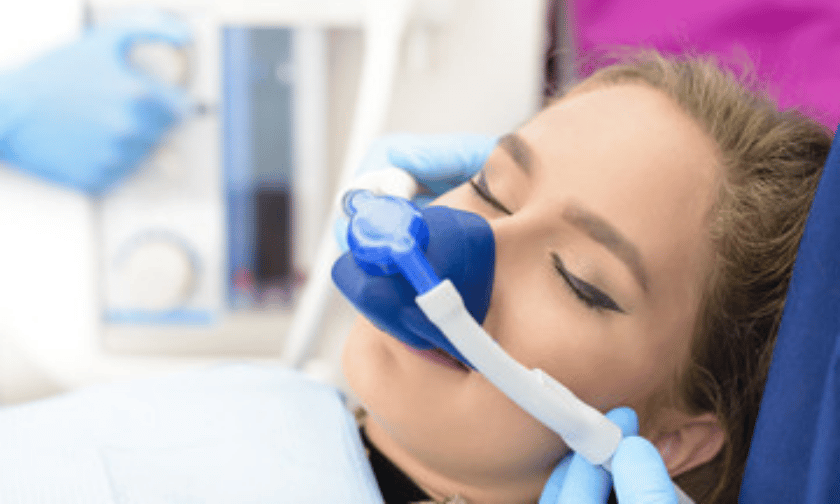
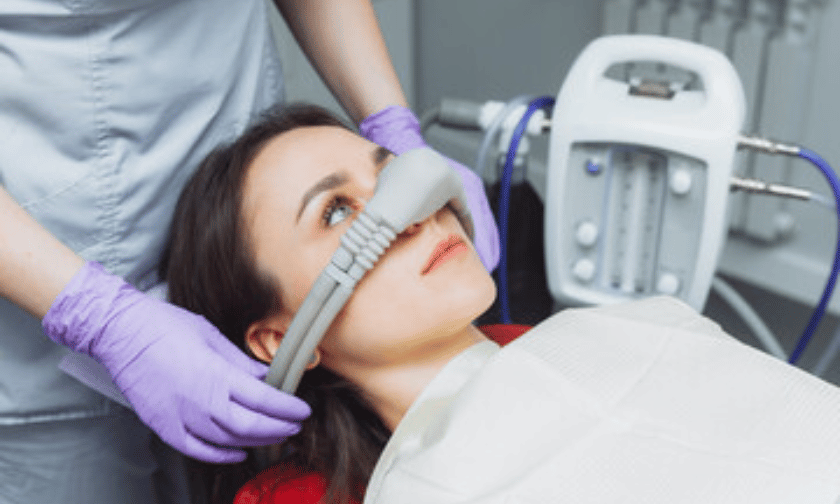
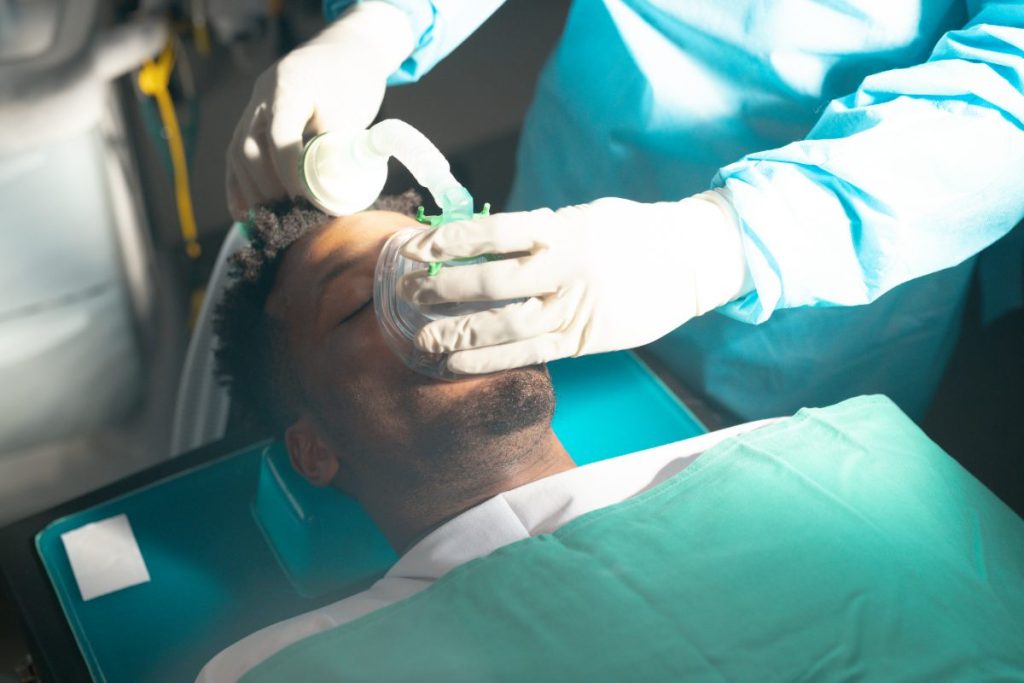
Sedation dentistry in Puyallup uses medication to help patients relax during dental procedures. Depending on the method, patients may remain responsive, become drowsy, or receive deeper sedation. Local anesthesia may also be used to numb the treatment area, but it serves a different purpose from sedation.
After a procedure, some patients may notice temporary dryness, an unusual aftertaste, or reduced enjoyment of food. These symptoms can have multiple explanations, so the timing alone does not prove that sedation caused the change.
According to the National Institute on Deafness and Other Communication Disorders (NIDCD), approximately 19% of Americans over age 40 report some alteration in their sense of taste, while about 5% report dysgeusia, a condition involving distorted taste perception. These are general population estimates, not statistics specific to dental sedation.
The key is to determine whether the change is temporary, related to recovery, or associated with another oral or medical condition.
How Does Taste Work After Dental Sedation?
Your sense of taste relies on more than your tongue. Taste receptors detect five basic taste qualities: sweet, salty, sour, bitter, and umami (sometimes called savory).
Your sense of smell also contributes substantially to flavor. When you chew food, aromas travel from your mouth toward sensory receptors in your nose. The brain combines this information with taste, temperature, and texture to create the experience of flavor.
The National Institute of Dental and Craniofacial Research (NIDCR) explains that people who believe they have lost their sense of taste may actually be experiencing a change in smell. This distinction matters because the cause and treatment can differ.
After dental treatment, you may notice:
- A metallic or bitter taste: An unusual flavor that remains even when you are not eating.
- Reduced flavor: Foods seem bland or less enjoyable than usual.
- Dryness-related changes: Your mouth feels sticky, and food does not taste as it normally does.
- Temporary numbness: Local anesthesia may affect normal sensations around the treated area until it wears off.
These experiences are not interchangeable. Identifying the specific symptom can help your dentist determine what questions to ask and whether further evaluation is needed.
Five Possible Reasons Your Taste May Change After Sedation Dentistry
1. Dry Mouth and Reduced Saliva
Saliva plays an essential role in taste perception. It dissolves substances in food, helps them reach taste receptors, washes away food particles, and protects the teeth and oral tissues.
When saliva production decreases, you may experience a sticky tongue, difficulty swallowing dry foods, unpleasant breath, or a persistent aftertaste.
The American Dental Association (ADA) cites a 2018 systematic review estimating that approximately 22% of the global population experiences dry mouth. This figure covers the general population and does not mean that one in five dental sedation patients develops the condition.
Dry mouth can be associated with dehydration, medications, medical conditions, or mouth breathing. If you experience it after a dental procedure, follow your recovery instructions and ask your dental professional whether additional care is appropriate.
2. Medication-Related Taste Changes
Some medications can affect taste directly or cause dry mouth, which may change how foods and drinks taste.
The NIDDK identifies certain antibiotics and antihistamines among the medications that may contribute to taste problems. Other prescription or over-the-counter medicines can affect saliva production.
Sedation medication may not be causing your symptoms. Your recovery may also involve local anesthetics, pain relievers, antibiotics, or other medicines.
If you suspect a medication is responsible, tell your dentist or prescribing clinician when the symptoms began and which medicines you are taking. Never stop a prescribed medication or change the dose without professional guidance.
3. Local Anesthesia and Temporary Numbness
Dentists often use local anesthesia alongside sedation to prevent pain during dental treatment. Depending on the injection site and medication, it can temporarily numb the lips, tongue, gums, or surrounding tissues.
During this period, sensations in your mouth may feel different. However, numbness is not the same as a true taste disorder, and local anesthetics affect taste differently in each patient.
Wait until normal sensation and safe swallowing return before eating or drinking, and follow your dental team’s instructions. Eating while your mouth is numb can lead to accidental biting or burns from hot foods and drinks.
If numbness or an altered sensation lasts longer than your dental team advised, contact the practice for guidance.
4. Oral Irritation or the Dental Procedure Itself
Some dental procedures can leave the mouth temporarily tender. Extractions, gum treatment, and other procedures involving oral tissues may cause soreness, inflammation, or minor bleeding during recovery.
These changes can influence how your mouth feels and how you perceive food.
A metallic taste may occur when blood is present, but it isn’t automatically normal if it persists or is accompanied by worsening pain, swelling, or other concerning symptoms.
Follow your procedure-specific instructions carefully. Avoid disturbing healing tissues, particularly after an extraction or oral surgery.
5. An Existing Oral or Medical Condition
Not every taste change that follows sedation is caused by the dental visit. Tooth decay, gum disease, oral infections, dry mouth, respiratory illnesses, and certain medical conditions may affect taste or smell.
The NIDCR explains that poor oral hygiene, dental problems, infections, and some medications can contribute to taste disorders.
If the change began before your appointment, occurs frequently, or continues after your initial recovery, your dentist may need to consider causes beyond the procedure itself.
How to Manage Taste Changes After Sedation Dentistry
The best approach depends on your procedure, the medication used, and your symptoms. These practical measures may help when they fit your recovery instructions.
Drink Water When It Is Safe
Once you are fully alert and your dental team confirms it is safe to drink, sip water regularly to help relieve dryness.
Do not drink while you remain too drowsy to swallow safely. If your procedure involved specific fasting or fluid instructions, follow those instructions rather than assuming you can resume your normal routine immediately.
Maintain Gentle Oral Hygiene
Brush your teeth twice daily with fluoride toothpaste and clean between them as recommended. If your mouth is sore, use a gentle technique and follow any special instructions for the treated area.
Do not brush directly over a surgical site or disturb a blood clot after an extraction. If you’re unsure when to resume your usual oral hygiene routine, ask your dentist.
Clean Your Tongue Carefully
A coating on the tongue can collect food debris and bacteria that contribute to unpleasant breath or taste.
When it is safe to resume normal cleaning, gently brush your tongue or use a tongue scraper. Avoid vigorous scraping, especially if the tissue is tender.
The NIDCR notes that tongue cleaning and professional removal of hardened deposits from the teeth and gums have been shown to improve taste in some people with taste disorders.
Choose Foods That Are Easy to Eat
When your mouth feels dry or sensitive, softer-textured foods may taste better. The appropriate choices depend on your procedure, so follow your dentist’s dietary instructions.
Avoid very hot foods and drinks while your mouth remains numb. If youhave had oral surgery, you may also need to avoid crunchy, hard, spicy, or otherwise irritating foods during early recovery.
Avoid Unnecessary Mouthwashes and Home Remedies
Some mouthwashes may temporarily freshen your breath, but certain products can irritate tissues or alter taste. Strong home remedies may also irritate healing tissues.
Do not start a new oral rinse or apply household substances to your mouth after a dental procedure without checking whether they are appropriate.
If dryness persists, ask your dental professional whether a saliva substitute or other dry-mouth product may help.
How Long Do Taste Changes Last After Sedation?
There is no universal recovery timeline because the duration depends on the underlying cause.
Temporary numbness associated with local anesthesia generally improves as the medication wears off. Dryness may improve with hydration and as contributing factors resolve. Medication-related taste changes may last longer, depending on the drug and individual response.
Research does not establish one standard duration for taste changes specifically caused by dental sedation. If your symptoms persist beyond the recovery period your dentist described, worsen, or return repeatedly, arrange a follow-up evaluation.
Keeping a short record of your symptoms may help. Note when the change began, whether certain foods affect it, which medications you received, and whether you also have dryness, pain, or numbness.
When Should You Contact Your Dentist?
A brief taste change may not require urgent treatment, but persistent or worsening symptoms deserve attention.
Contact your dental team if you notice:
- A metallic, bitter, or foul taste that does not improve.
- Dry mouth that makes eating or swallowing difficult.
- Numbness that lasts longer than expected.
- Increasing pain, swelling, or persistent bleeding after a procedure.
- Fever, pus, or other possible signs of infection.
- Taste changes accompanied by sores or unusual changes to oral tissue.
Seek emergency medical care if you experience difficulty breathing or swallowing, rapidly increasing facial or throat swelling, or severe symptoms that suggest a serious reaction.
If your dentist cannot identify an oral cause, they may recommend an evaluation by a physician or another appropriate healthcare professional.
How Woodland Dental Center Can Help
Changes in taste after sedation dentistry can have several possible explanations. Dry mouth, medication effects, temporary numbness, oral irritation, and unrelated health conditions may all be factors.
Dr. Ryan Hanks and the team at Woodland Dental Center can help you discuss your symptoms and understand appropriate next steps. Tell your dental professional which procedure you received, what medications you took, when the taste change began, and whether you have experienced other symptoms.
If an unusual taste continues after treatment, visit our dental practice in Puyallup, WA. Book now to schedule your appointment with our team and discuss your oral health concerns.
Conclusion
Taste changes after sedation dentistry can be unsettling, especially when food tastes metallic, bitter, or unusually bland. These symptoms may be linked to dry mouth, medication effects, local anesthesia, oral irritation, or an underlying condition, but they shouldn’t automatically be attributed to sedation itself.
When permitted, drinking water, maintaining good oral hygiene, and following your recovery instructions may help manage temporary symptoms. If symptoms persist or worsen, seek professional evaluation, especially if accompanied by pain, swelling, fever, or prolonged numbness.
At Woodland Dental Center, Dr. Ryan Hanks can help you understand your symptoms and discuss suitable next steps.
Visit our dental practice in Puyallup, WA. Book now to schedule your appointment with our team and get guidance about your oral health.
Frequently Asked Questions
1. What dental services can I ask about at Woodland Dental Center?
Contact our dental practice to discuss your oral health concerns, preventive care, and possible treatment options. Our dentist can evaluate your needs and explain which services may be appropriate for your situation.
2. How often should I visit the dentist?
Many patients benefit from checkups every six months, although the recommended frequency depends on individual oral health needs and risk factors. Our dentist can suggest a suitable schedule based on your dental history and current condition.
3. What should I tell my dentist about taste changes after sedation?
Explain when the symptoms began, which procedure you received, what medications you took, and whether you also have dry mouth, numbness, pain, or swelling. Our dentist can use this information to help determine the next steps.
4. Can a dentist help with persistent dry mouth or an unusual taste?
Yes. Our dentist can examine your teeth, gums, tongue, and other oral tissues for possible causes, including dental problems and dry mouth. If the cause appears unrelated to oral health, further medical evaluation may be recommended.
5. How can I schedule an appointment at Woodland Dental Center?
Contact our dental practice to ask about available appointment times and explain your concerns. Our team can help you understand the next steps for arranging a visit with our dentist in Puyallup, WA.