Are you someone who dreads going to the dentist? Do you find yourself anxious and nervous at the very thought of a dental appointment? If so, sedation dentistry might be just what you need! Not only does it help relieve anxiety for patients, but it also makes life easier for dentists. In this blog post, we’ll explore the benefits of sedation dentistry for both
patients and dental professionals. So sit back, relax, and let’s dive into this pain-free world of dentistry!
Sedation Dentistry
Sedation dentistry is a field of dental care that uses medication to help patients relax during dental procedures. Sedation can be used for a variety of dental procedures, from simple cleanings to more complex procedures like root canals or tooth extractions.
There are several benefits of sedation dentistry for both patients and dentists. For patients, sedation can help reduce anxiety and fear associated with dental procedures. It can also make the procedure more comfortable by reducing pain and discomfort. For dentists, sedation can help increase efficiency by allowing them to complete multiple procedures in one appointment.
If you are considering sedation dentistry for your next dental procedure, be sure to discuss all of your options with your dentist. They will be able to determine if sedation is right for you and help you choose the best type of sedation based on your individual needs.
Benefits for Patients
Sedation dentistry can offer a variety of benefits for patients who may feel anxious or nervous about undergoing dental procedures. When sedation is used, patients can often feel more relaxed and comfortable during their appointments, and may even be less likely to experience pain. In some cases, sedation dentistry can also help patients who have trouble getting numb during traditional dental appointments.
In addition to the physical benefits that sedation dentistry can provide, patients may also appreciate the fact that they can often get through their appointment more quickly when they are sedated. This can be especially helpful for those who have busy schedules or who need to get back to work or other obligations after their appointment.
-
Pain Management
Pain management is one of the many benefits of sedation dentistry. When you are sedated, you will not feel any pain during your dental procedure. This is because the sedative medication will help to relax your body and mind.
-
Anxiety Reduction
Anxiety reduction is one of the primary advantages of sedation dentistry. This benefit is achieved through the use of medication that helps patients to feel relaxed during their dental procedure. For many people, the idea of going to the dentist can be a source of anxiety and stress. Sedation dentistry can help these patients to feel more comfortable and relaxed during their appointment. In addition, sedation dentistry can also help to reduce any pain that may be associated with the dental procedure.
-
Faster Treatment Procedures
Sedation dentistry offers many benefits for both patients and dentists. One of the main benefits is that it allows for faster treatment procedures. This is because the patient is relaxed and not experiencing any pain or anxiety. As a result, the dentist can work more quickly and efficiently. Additionally, sedation dentistry can help to reduce the risk of complications and side effects associated with dental procedures.
Benefits for Dentists
Sedation dentistry provides many benefits for both patients and dentists. For patients, sedation can help reduce anxiety, provide pain relief, and allow for longer and more complex procedures to be completed in one visit. This can save both time and money. For dentists, sedation can increase production by allowing for more procedures to be completed in a day. It can also help build trust with patients who may be anxious about dental work.
-
Easier Dental Procedures
Sedation dentistry can make dental procedures easier for both patients and dentists. When patients are sedated, they may be less likely to experience anxiety or pain during dental procedures. This can help make the procedures go more smoothly for both the patient and the dentist. In addition, sedation can help patients who have a strong gag reflex or who are very sensitive to pain. Dentists may also find it easier to work on patients who are sedated because they are less likely to move around or squirm in their chair.
-
Increased Patient Comfort and Safety
Patients who experience anxiety or fear during dental procedures can benefit from sedation dentistry. Sedation can help make the dental experience more comfortable and safe for patients. There are different types of sedation available, and your dentist will work with you to determine the best option for you based on your level of anxiety and fear.
Types of Sedation Dentistry
There are four main types of sedation dentistry: oral sedation, IV sedation, nitrous oxide, and general anesthesia. Each type has its own set of benefits and risks.
- Oral Sedation: Oral sedation is the most common type of sedation dentistry. It involves taking a pill before your appointment. The pill will make you drowsy but you will still be awake. You may not remember much of your appointment after taking the pill.
- IV Sedation: IV sedation is more intense than oral sedation. It involves having a needle inserted into your vein to deliver the medication. You will be in a semi-conscious state during your appointment and may not remember much of it afterwards.
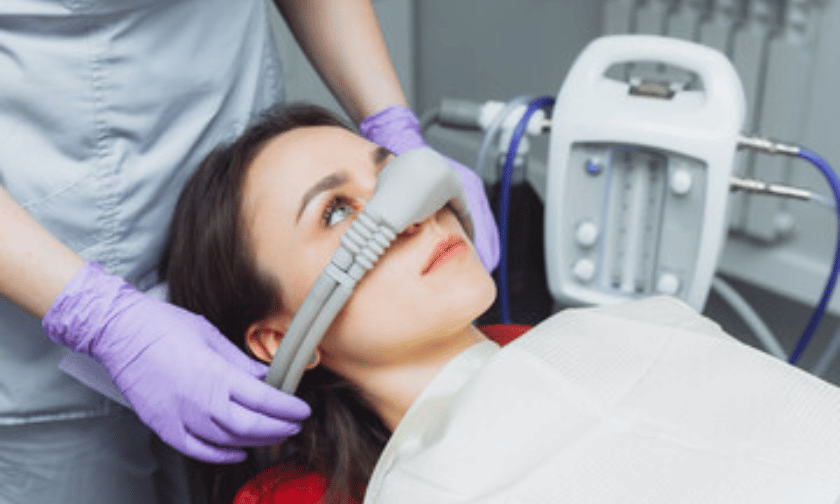
- Nitrous Oxide: Nitrous oxide is also known as “laughing gas”. It is inhaled through a mask during your appointment. You will remain conscious but relaxed during your appointment. The effects of nitrous oxide wear off quickly so you can drive yourself home afterwards.
- General Anesthesia: General anesthesia is the strongest form of sedation dentistry. It is used for more invasive procedures such as wisdom tooth removal. You will be completely unconscious during your procedure and will need someone to drive you home afterwards.
Risks Associated with Sedation Dentistry
There are always risks associated with any medical procedure, including sedation dentistry. However, these risks are generally very low and can be easily managed by experienced dental professionals. The most common side effects of sedation dentistry include:
- Drowsiness: This is the most common side effect of sedation dentistry and usually lasts for a few hours after the procedure. Patients should not drive or operate heavy machinery immediately after their appointment.
- Nausea: A small percentage of patients may experience nausea after sedation dentistry. This is usually due to the medications used and can be easily managed with over-the-counter medication.
- Allergic reactions: As with any medication, there is always a risk of an allergic reaction. However, this is very rare and can usually be treated with antihistamines if necessary.
Conclusion
Sedation dentistry offers a variety of benefits for both patients and dentists. It can help reduce anxiety, make procedures more comfortable, shorten treatment times, improve overall dental health outcomes and provide an overall improved experience for all involved. If you are considering sedation dentistry to help make your next visit less stressful, speak with your dentist about the options available to you. With the right approach, sedation dentistry can make even the most intimidating dental visits more manageable while improving oral health in the process.
FAQs
Sedation dentistry has become a popular choice for patients who experience anxiety or fear when visiting the dentist. But what are the benefits of sedation dentistry? Here are three FAQs that will help you understand how sedation dentistry can help you and your dentist:
Q. What is sedation dentistry?
A. Sedation dentistry is a type of dental care that uses medication to help patients relax during dental procedures. Sedation can be used for a variety of dental procedures, including fillings, extractions, and even routine cleanings.
Q. How does sedation dentistry work?
There are different types of sedation available, but the most common type used in dental offices is inhaled sedation, also known as laughing gas. The gas is mixed with oxygen and delivered through a small mask that fits over your nose. You will remain awake and able to communicate with your dentist during the procedure, but you may feel lightheaded and relaxed.
Q. What are the benefits of sedation dentistry?
Sedation dentistry can provide a number of benefits for both patients and dentists. For patients, it can help reduce anxiety and fear, which can make dental procedures more comfortable and less stressful. For dentists, it can help increase patient cooperation during procedures, which can lead to better results.