As parents, we know that nothing is more important than the health and well-being of our little ones. So why not start their dental journey off on the right foot? In this article, we’ll be sharing valuable insights from a kid’s dentist about caring for your child’s baby teeth. From when to start dental care to essential oral hygiene habits, we’ve got you covered. So let’s dive in and give those little smiles the attention they deserve!
The Importance of Baby Teeth
Baby teeth, also known as primary teeth or milk teeth, may seem small and temporary, but they play a crucial role in your child’s overall dental health. These little chompers serve as placeholders for permanent teeth, guiding them into their proper positions when the time comes.
But that’s not all – baby teeth also help children speak clearly and chew their food effectively. They contribute to the development of jaw bones and muscles as well. Neglecting the care of these precious pearly whites can have long-lasting consequences.
Furthermore, maintaining good oral hygiene from an early age sets the foundation for a lifetime of healthy habits. Teaching your child how to brush and floss properly not only keeps their baby teeth strong and cavity-free but also instills essential self-care skills they will carry into adulthood.
Additionally, neglecting baby tooth decay can lead to pain and infection, which can affect a child’s overall well-being. Untreated cavities in primary teeth can even spread to the underlying permanent teeth.
Recognizing the importance of baby teeth is vital for parents who want their children to grow up with healthy smiles. By taking early steps towards dental care and establishing good oral hygiene habits at home, you are setting your child up for a lifetime of optimal dental health. Stay tuned for our next section on when to start dental care for children!
When to Start Dental Care for Children
When it comes to dental care for children, the question of when to start is a common one. Many parents wonder if they should wait until their child’s baby teeth have fully erupted before seeking dental care. The truth is, dental care should actually begin even before your child’s first tooth appears!
Starting good oral hygiene habits early on can help set the foundation for a lifetime of healthy teeth and gums. Even without teeth, you can gently clean your baby’s gums with a soft cloth or gauze after feeding. This helps remove bacteria and prevents plaque buildup.
Once those tiny pearly whites start popping up, it’s time to introduce a toothbrush. Use an age-appropriate toothbrush with soft bristles and a small head that fits comfortably in your child’s mouth. You can find toothbrushes specifically designed for infants and toddlers at most stores.
As soon as your child has two adjacent teeth touching each other, it’s important to start flossing between them daily. This helps remove food particles and plaque from areas where the toothbrush cannot reach.
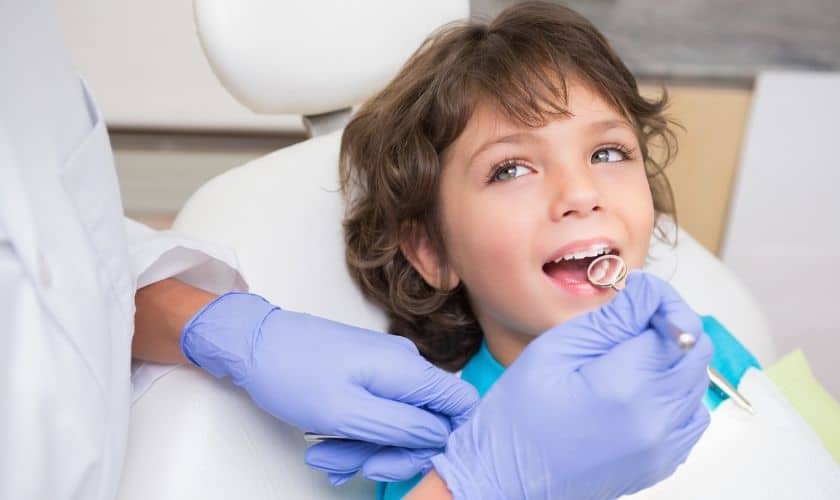
Regular visits to the Kids dentist are also crucial for maintaining optimal oral health. The American Academy of Pediatric Dentistry recommends that children see a dentist by their first birthday or within six months after their first tooth erupts.
By starting dental care early on, you are setting the stage for good oral hygiene habits that will benefit your child throughout their life! So don’t wait – begin caring for your child’s precious little smile today!
The Bottom Line
Caring for your child’s baby teeth is crucial for their oral health and overall well-being. Baby teeth play a vital role in speech development, proper nutrition, and the alignment of permanent teeth. Starting dental care early can help prevent cavities and other dental issues down the road.
Remember to clean your baby’s gums even before their first tooth erupts, using a soft cloth or gauze. Once their first tooth appears, introduce a small, soft-bristled toothbrush and non-fluoridated toothpaste. As they grow older and more comfortable with brushing, gradually switch to fluoridated toothpaste.
Regular visits to the kids dentist should begin around their first birthday or when the first tooth emerges. These appointments provide an opportunity for professional cleaning as well as guidance on proper oral hygiene practices tailored specifically to your child’s needs.
Encourage healthy eating habits by offering nutritious foods and limiting sugary snacks and drinks. Remember that what your child eats not only affects their overall health but also impacts the health of their teeth.