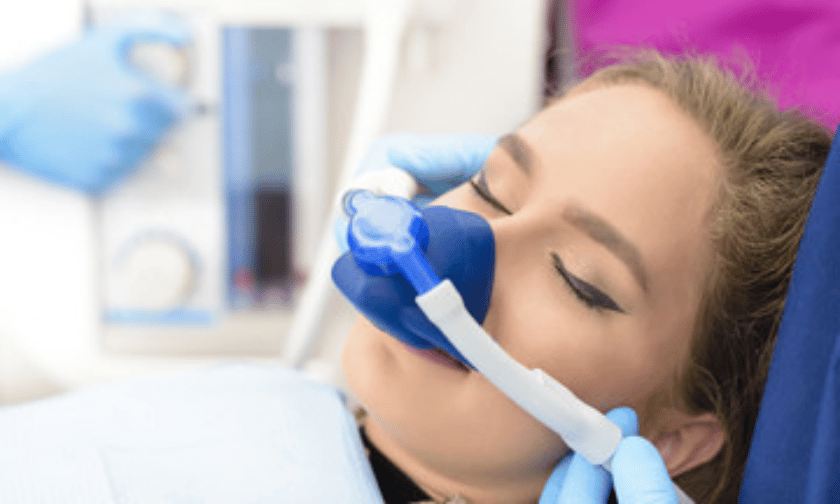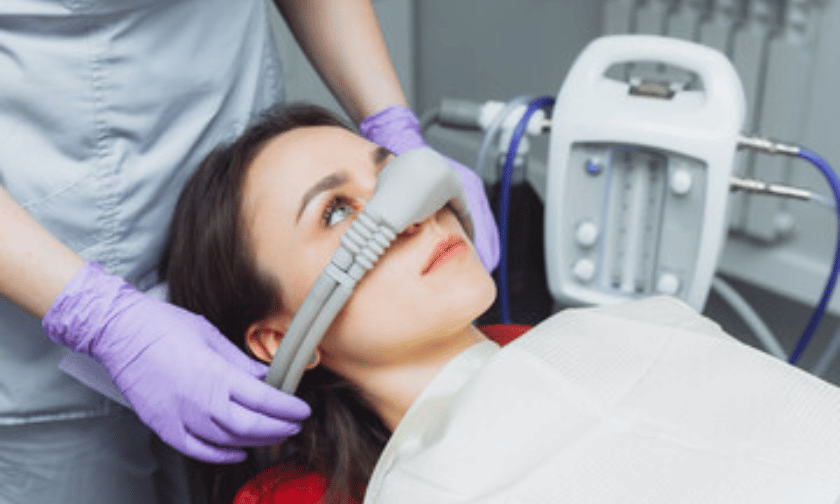
Have you ever woken up from a successful dental procedure feeling like a million bucks—only to realize your breath smells like a locker room? You aren’t alone! Whether you chose sedation to breeze through a wisdom tooth extraction or to stay calm during a long restorative session, that “fuzzy” feeling in your mouth afterward is a common topic in dental recovery rooms across the country.
While the sedation helped you relax, it also temporarily changed your mouth’s chemistry. But don’t worry; you don’t have to hide behind a mask for the next week. We’ve pulled together the ultimate guide to reclaiming your fresh breath while your body heals. Ready to dive into the science of why this happens and, more importantly, how to fix it? Let’s get your smile—and your breath—back to 100%.
Why Does Breath Get Bad After Sedation Dentistry?
Understanding the cause is the first step toward fixing it.
1. Dry Mouth (Xerostomia) Is the Main Culprit
Sedation medications often reduce saliva flow. Saliva is essential because it:
- Washes away food particles
- Neutralizes acids
- Controls bacteria in the mouth
When saliva decreases, bacteria multiply, leading to bad breath.
Studies show that reduced saliva can also:
- Increase bacterial growth
- Lower oral pH
- Lead to halitosis and tooth decay
2. Medication Side Effects
Many sedatives and post-procedure medications (like painkillers or antibiotics) are known to cause dry mouth, the most common cause of xerostomia.
3. Limited Oral Hygiene After Treatment
After procedures, dentists often advise avoiding brushing or rinsing for a period of time. This can allow:
- Food debris buildup
- Bacterial accumulation
- Temporary odor
4. Healing Tissues and Minor Bleeding
Healing gums and surgical sites can produce mild odors as part of the natural recovery process.
10 Proven Ways to Keep Breath Fresh After Sedation Dentistry
1. Stay Hydrated Throughout the Day
Water is your best defense against bad breath.
- Sip water every 15–30 minutes
- Avoid sugary or carbonated drinks
Hydration helps restore saliva flow and flush out odor-causing bacteria.
2. Use Alcohol-Free Mouthwash (When Approved)
Once your dentist gives the green light:
- Choose alcohol-free rinses to avoid further dryness
- Look for antibacterial formulas
3. Brush Gently but Consistently
After the initial recovery window:
- Brush twice daily with a soft-bristle toothbrush
- Use fluoride toothpaste
The American Dental Association recommends gentle brushing to prevent complications and maintain oral health.
4. Clean Your Tongue Daily
Your tongue harbors odor-causing bacteria.
- Use a tongue scraper or toothbrush
- Clean from back to front gently
5. Chew Sugar-Free Gum (With Xylitol)
Chewing gum stimulates saliva production.
- Choose xylitol-based gum
- Avoid sugary options
This simple step can significantly reduce dry mouth symptoms.
6. Avoid Breath-Damaging Foods Temporarily
After sedation dentistry, limit:
- Garlic and onions
- Coffee and alcohol
- Spicy or acidic foods
These can worsen dry mouth and odor.
7. Use Saliva Substitutes or Oral Moisturizers
Over-the-counter products like:
- Dry mouth sprays
- Oral gels
These help mimic natural saliva and keep your mouth moist.
8. Maintain a Soft Diet Initially
Stick to:
- Yogurt
- Smoothies
- Mashed foods
This prevents food from getting trapped in healing areas.
9. Avoid Tobacco Products
Smoking or vaping:
- Dries out the mouth
- Slows healing
- Worsens bad breath
10. Follow Post-Op Instructions Carefully
Your dentist’s aftercare plan is crucial.
Ignoring instructions can lead to:
- Infection
- Persistent bad breath
- Delayed healing
The Science Behind Fresh Breath: Why Saliva Matters
Saliva isn’t just “spit”—it’s your mouth’s natural defense system.
It:
- Cleanses bacteria
- Protects enamel
- Maintains pH balance
Without enough saliva, harmful microbes thrive, leading to odor and oral health issues.
How Long Does Bad Breath Last After Sedation Dentistry?
For most patients:
- Mild bad breath lasts 24–72 hours
- Dry mouth may persist for a few days, depending on medications
However, if symptoms last longer than a week, consult your local certified Puyallup dentist.
Warning Signs You Shouldn’t Ignore
Contact your dentist if you experience:
- Persistent bad breath beyond 7 days
- Severe dry mouth
- Pain or swelling
- Pus or unusual discharge
These may indicate infection or complications.
Preventing Bad Breath Before Your Next Sedation Appointment
Preparation matters.
Before your procedure:
- Stay well-hydrated
- Avoid alcohol or caffeine
- Maintain excellent oral hygiene
This can reduce post-treatment dry mouth and odor.
Conclusion
Sedation dentistry is a fantastic tool that allows millions of Americans to receive necessary dental care without fear. While the “post-op breath” side effect is real, it is also entirely manageable. By staying hydrated, using gentle saltwater rinses, and keeping the non-surgical areas of your mouth clean, you can keep your breath fresh while your smile heals.
Remember, the goal of your dental team is your total comfort—not just during the procedure, but throughout the recovery. If you follow these tips and listen to your body, you’ll be back to your fresh-smelling self in no time!
Frequently Asked Questions
1. Is bad breath normal after sedation dentistry?
Yes, it’s common due to dry mouth, medication effects, and limited oral hygiene immediately after the procedure.
2. How can I quickly freshen my breath after dental sedation?
Drink water, use alcohol-free mouthwash (if allowed), and chew sugar-free gum to stimulate saliva.
3. Can sedation medications cause bad breath?
Yes. Many medications reduce saliva flow, which is the leading cause of bad breath after dental procedures.
4. When can I brush my teeth after sedation dentistry?
Usually within 24 hours, but follow your dentist’s specific instructions to avoid disrupting healing.
5. What if my bad breath doesn’t go away?
If it persists beyond a week, consult your dentist—it could indicate infection or another issue.