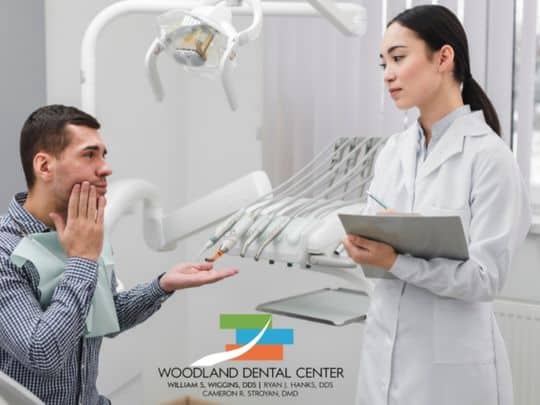
Ever been enjoying a delicious (and maybe a little too crunchy) apple when suddenly, a sharp pain shoots through your tooth? Or perhaps you were playing a friendly game of basketball and accidentally took an elbow to the face, leaving you with a chipped tooth. Dental emergencies can strike at any time, and let’s face it, they’re no fun. But don’t panic! Here’s the good news: a skilled dentist can address most dental emergencies quickly and effectively, saving you from further pain and potential complications.
According to the American Dental Association (ADA), nearly 1 in 6 adults in the United States will experience a dental emergency each year. That’s a significant number, but the important takeaway is that you’re not alone. In this blog post, we’ll explore some of the most common dental emergencies and how your dentist can be your hero in shining armor (or should we say, scrubs?).
Toothache Troubles: From Mild Discomfort to Urgent Care
Toothaches are a classic dental emergency, ranging from a dull ache to a throbbing, persistent pain. While a mild toothache might be addressed with over-the-counter pain relievers and a prompt dental appointment, a severe or persistent toothache often indicates a deeper problem.
Here’s where your dentist comes in. They can diagnose the cause of your toothache, whether it’s a cavity, infection, gum disease, or even a cracked tooth. Early intervention is key! By addressing the root cause of the pain, your dentist can not only alleviate your discomfort but also prevent further damage to your tooth and surrounding tissues.
Knocked-Out Tooth: Time is of the Essence
If you experience the misfortune of knocking out a tooth, time is critical. According to the International Association for Dental Traumatology (IADT), the chance of saving a knocked-out tooth is significantly higher if you receive dental care within 60 minutes of the injury. Here’s what to do in this situation:
- Locate the tooth. If possible, find the tooth carefully and handle it by the crown (the white part you see in your mouth). Avoid touching the root.
- Rinse gently. If the tooth is dirty, rinse it briefly with milk or saliva. Don’t scrub or use any harsh chemicals.
- Reposition. If possible, if you can safely do so, try to gently reinsert the tooth back into its socket.
- Seek immediate dental care. This is crucial, even if you can’t reinsert the tooth. Your dentist will try to save the tooth or recommend alternative solutions.
Cracked or Broken Teeth: Don’t Ignore the Chips!
Biting down on something hard or experiencing a facial injury can lead to a cracked or broken tooth. While a small chip might not cause immediate pain, it can leave the tooth vulnerable to infection and further breakage. Here’s why you shouldn’t ignore a cracked or broken tooth:
- Increased pain: Cracks can expose the inner layers of the tooth, leading to sensitivity and pain, especially when chewing.
- Infection risk: Bacteria can enter the tooth through the crack, leading to an infection that can spread to the jawbone.
- Tooth loss: If left untreated, a cracked tooth can eventually break further and may need to be extracted.
During a dental emergency visit for a cracked or broken tooth, your qualified dentist in Puyallup will assess the severity of the damage and recommend the best course of treatment. This may involve bonding, a crown, or even root canal therapy depending on the extent of the crack or break.
Lost Filling or Dental Crown: Addressing the Gaps
Fillings and crowns are dental restorations that protect teeth from decay and damage. However, they can sometimes become loose or fall out entirely due to wear and tear or underlying dental issues. While a lost filling might not cause immediate problems, it leaves the tooth vulnerable to further decay. Here’s why a lost crown requires prompt attention:
- Exposed tooth: A lost crown leaves the underlying tooth structure exposed, increasing the risk of decay and sensitivity.
- Shifting teeth: The surrounding teeth may shift to fill the gap left by the missing crown, leading to bite problems.
If you experience a lost filling or crown, contact your emergency dentist in Puyallup as soon as possible. They can usually replace the filling or recement the crown during a dental emergency visit.
Conclusion: Your Dentist – Your Partner in Dental Emergencies
Dental emergencies can be stressful, but with a skilled dentist by your side, you can navigate these situations with confidence. Remember, early intervention is key! By seeking prompt dental care, you can minimize pain, prevent further damage, and save your smile.