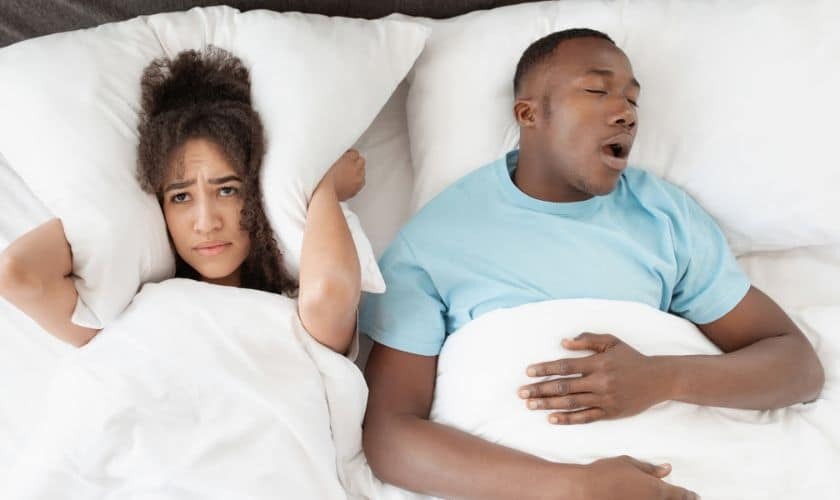
Ever woken up feeling groggy and exhausted, even after a seemingly restful night’s sleep? You might be a victim of sleep apnea. Snoring, a common symptom of sleep apnea, is often dismissed as a harmless annoyance. But it’s a sign that something more serious might be going on.
Imagine this: You’re sound asleep, but your body is struggling to breathe. Your airway becomes blocked, and you gasp for air. This cycle repeats throughout the night, disrupting your sleep and leaving you feeling drained the next day.
Sound scary? It is. But the good news is, sleep apnea is treatable.
The Silent Epidemic: Sleep Apnea
Sleep apnea is a serious condition that affects millions of people worldwide. According to the American Academy of Sleep Medicine (AASM), an estimated 22 million Americans suffer from obstructive sleep apnea (OSA), the most common type.
But what exactly is sleep apnea? It’s a disorder where your breathing stops and starts during sleep. This happens when the muscles in your throat relax, blocking your airway.
The consequences of sleep apnea are far-reaching. They include:
- Daytime sleepiness
- Difficulty concentrating
- Irritability
- High blood pressure
- Heart disease
- Stroke
- Loud snoring
- Gasping or choking during sleep
- Morning headaches
- Dry mouth
- Restless sleep
Diagnosing Sleep Apnea: A Night at the Sleep Lab
If you suspect you might have sleep apnea, the first step is to consult a qualified dentist in Puyallup. They will conduct a thorough physical exam and may recommend a sleep study.
A sleep study is a test that monitors your sleep patterns and breathing while you’re asleep. It can help diagnose sleep apnea and determine the severity of the condition.
Treatment Options for Sleep Apnea
Once you’ve been diagnosed with sleep apnea, your dentist will discuss treatment options with you. The most common treatments include:
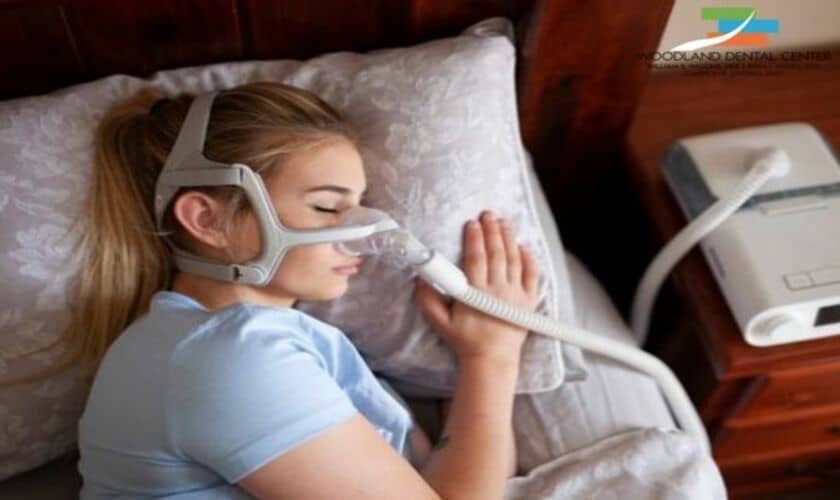
Continuous Positive Airway Pressure (CPAP):
- How it works: CPAP therapy involves wearing a mask that delivers a steady stream of air to keep your airway open.
- Effectiveness: CPAP is considered the gold standard treatment for sleep apnea and is highly effective in improving sleep quality and reducing symptoms.
- Data: According to a study published in the Journal of Clinical Sleep Medicine, CPAP therapy can significantly reduce the risk of heart disease and stroke in patients with sleep apnea.
Oral Appliances:
- How it works: Custom-made oral appliances fit over your teeth and jaw to keep your airway open.
- Effectiveness: Oral appliances can be effective for mild to moderate cases of sleep apnea. However, they may not be as effective as CPAP for severe cases.
- Data: A study published in the American Journal of Respiratory and Critical Care Medicine found that oral appliances can be a viable alternative to CPAP for some patients with sleep apnea.
Surgery:
- How it works: Surgery can be used to address underlying anatomical issues that contribute to sleep apnea.
- Effectiveness: The effectiveness of surgery varies depending on the specific procedure and the individual patient.
- Data: A study published in the Laryngoscope found that surgery can be an effective treatment option for some patients with sleep apnea.
Choosing the right treatment for sleep apnea is a personal decision. Your doctor can help you weigh the pros and cons of each option based on your individual needs and preferences.
The Importance of Early Diagnosis and Treatment
Early diagnosis and treatment of sleep apnea are crucial for preventing serious health complications. By seeking help, you can improve your quality of life and reduce your risk of developing other health problems.
Don’t ignore the signs of sleep apnea. If you’re experiencing snoring, daytime sleepiness, or other symptoms, talk to your dentist. With the right treatment, you can enjoy a restful night’s sleep and wake up feeling refreshed and rejuvenated.