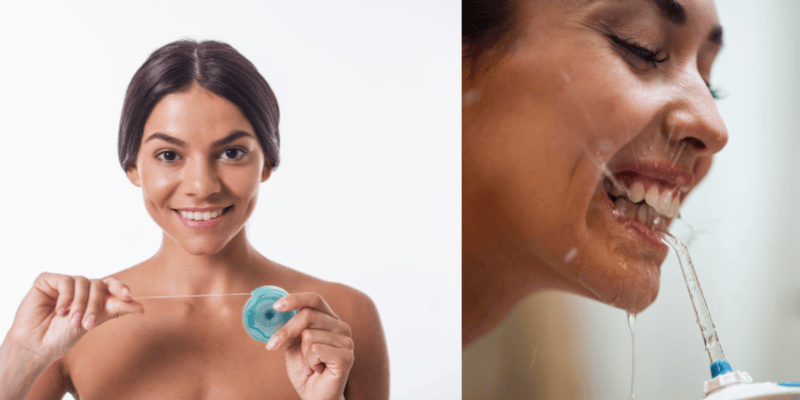
Maintaining healthy gums and a clean smile goes beyond brushing. Flossing plays a critical role in preventing decay and gum disease.
But when it comes to choosing the right method, many people wonder: Should you stick with traditional string floss or switch to modern water flossing?
Both options have benefits; the right choice often depends on your personal needs, oral health, and lifestyle. Let’s break it down clearly so you can make an informed decision.
Table of Contents
1. Introduction
2. What Is the Purpose of Flossing?
3. How Does String Floss Work?
4. What Is Water Flossing and How Does It Help?
5. String vs Water Flossing: Which One Cleans Better?
6. What Factors Should Guide Your Choice?
7. How Often Should You Floss for Best Results?
8. Personalized Flossing Advice Starts with Your Dentist
What Is the Purpose of Flossing?
Flossing removes plaque, food particles, and bacteria from between teeth and areas your toothbrush can’t reach along the gumline.
Regular flossing reduces the risk of cavities, gingivitis, and bad breath. However, the method you use can impact how effective your routine is.
How Does String Floss Work?
Traditional floss is a thin, flexible strand used to manually clean between teeth. It’s been a standard oral hygiene tool for decades.
Pros:
- Pocket-friendly and widely available
- Allows for precise cleaning between tight spaces
- Easy to carry for on-the-go use
Cons:
- It can be tough on sensitive gums
- Requires good technique for effectiveness
- It may be difficult for individuals with restricted mobility
What Is Water Flossing and How Does It Help?
Water flossing uses a pressurized stream of water to clean between the teeth and below the gumline. It’s often recommended for individuals with braces, dental implants, or periodontal concerns.
Pros:
- Gentle on gums and ideal for sensitive mouths
- Reaches deeper pockets below the gumline
- Easier to use for those with arthritis or mobility issues
Cons:
- More expensive upfront
- Requires access to power or batteries
- Can be bulky for travel
String vs Water Flossing: Which One Cleans Better?
Clinical studies have shown that both options are effective when used consistently and correctly. Water flossing may remove more plaque in hard-to-reach areas, especially for people with dental appliances. However, string floss offers tactile feedback, allowing for more intentional contact between the floss and tooth surfaces.
A Puyallup dentist may recommend combining both methods, string flossing weekly and water flossing daily.
What Factors Should Guide Your Choice?
Your decision should depend on:
- Gum sensitivity: Water-based options are gentler on bleeding gums.
- Dental restorations: Braces, crowns, or implants often benefit from water flossing.
- Manual dexterity: Water flossers are easier for people with limited hand mobility.
- Budget and convenience: String floss is more affordable and portable.
Ultimately, the best option is the one you’ll use consistently and correctly.
How Often Should You Floss for Best Results?
The American Dental Association (ADA) suggests flossing once daily. Whether you use a water flosser or traditional floss, technique and consistency matter more than the method itself.
Personalized Flossing Advice Starts with Your Dentist
Choosing between string and water flossing depends on your oral health needs, preferences, and routine. Both methods offer excellent plaque control, and many patients benefit from incorporating both into their regimen.
If you’re unsure which method best suits you, schedule a visit with your trusted Puyallup dentist, at Woodland Dental Center. We’ll evaluate your needs and help you build a personalized hygiene plan that supports a healthy, confident smile.