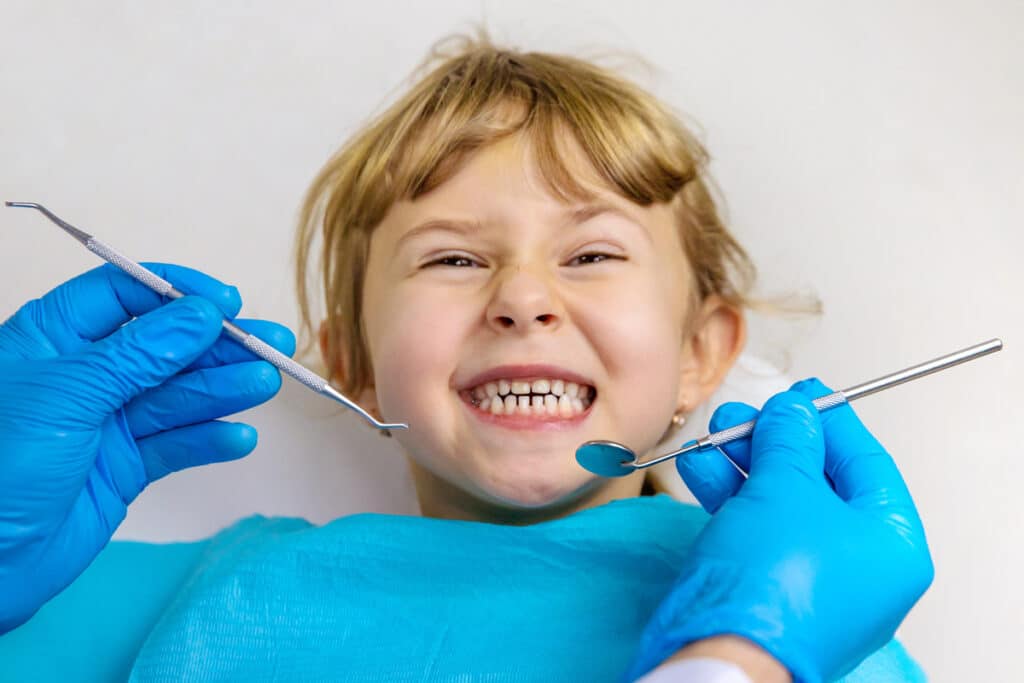
When your child is holding their jaw and crying in pain or—heaven forbid—holding a tooth that just flew out during a soccer game, your first instinct is likely: “Who can fix this right now?”
You might have a great relationship with your cosmetic dentist, but you’re probably wondering if they’re the right person to handle a pint-sized emergency. Can a dentist who specializes in veneers and whitening actually manage a toddler’s dental trauma or a teen’s severe abscess?
The answer is more nuanced than a simple “yes” or “no.” While many cosmetic dentists are also highly skilled general dentists capable of handling emergencies, treating children requires a specific set of tools, behavioral techniques, and knowledge of developing anatomy. Let’s dive into the data and the “dos and don’ts” of pediatric dental emergencies.
The Reality of Pediatric Dental Emergencies
Dental emergencies among children are more common than most parents realize. According to the Centers for Disease Control and Prevention (CDC), tooth decay remains the most common chronic disease in children, and untreated cavities can quickly escalate into painful infections or abscesses.
- Over 50% of children (ages 6–8) have had a cavity in their baby teeth (CDC).
- Dental trauma (like knocked-out or fractured teeth) affects approximately 11% to 15% of children with permanent teeth.
- 38% of children have reported losing sleep due to tooth pain (American Academy of Pediatric Dentistry – AAPD).
When these issues strike, time is of the essence. For a knocked-out permanent tooth, the “golden window” for successful re-implantation is often less than 30 to 60 minutes.
Pandemic Impact
Dental office closures during the COVID-19 pandemic led to a 62% increase in pediatric dental ER visits for treatable conditions among children on Medicaid.
This highlights how easily dental issues can escalate without timely professional care — and why parents want clear answers about who should treat emergencies.
Cosmetic Dentists vs. Pediatric Specialists: Who Does What?
Cosmetic Dentists
- What they do: Focus on the appearance of teeth — things like veneers, whitening, bonding, and smile makeovers. Cosmetic dentistry is about enhancing aesthetics rather than emergency care.
- Specialty note: The American Dental Association (ADA) does not formally recognize “cosmetic dentistry” as a specialty the way they do pediatric dentistry. Rather, many general dentists incorporate cosmetic procedures into their practice.
That means any dentist with a dental degree may call themselves a cosmetic dentist — but it doesn’t necessarily mean they are trained to handle emergencies in children.
Pediatric Dentists
- What they do: Pediatric dentists are specialists trained specifically for children’s oral health from infancy through adolescence. These include preventive care, growth assessments, behavior management, sedation, and — critically — emergency treatment.
- Training: Pediatric dentists complete dental school and then 2–3 additional years of residency focused on children’s unique dental and developmental needs.
- Their offices are designed to make kids feel comfortable and confident, not intimidated.
Simply put, pediatric dentists are the dental specialists trained to handle dental emergencies in children. Cosmetic dentists may help with aesthetic concerns, but that’s not their core training.
What Counts as a Dental Emergency?
Common pediatric dental emergencies can include:
- Severe or continuing toothache
- Broken, chipped, or cracked tooth
- A knocked-out permanent tooth
- Abscess or infected gum swelling
- Broken braces or sharp wires poking the cheek/mouth
These issues require immediate or urgent care — not just cosmetic fixes.
Can Cosmetic Dentists Treat Pediatric Emergencies?
Cosmetic Dentists Are Not Primarily Emergency Specialists. Cosmetic dentists focus on elective or planned procedures that improve appearance — such as veneers, aesthetic reshaping, and whitening — typically scheduled in advance.
There is no formal specialty certification in cosmetic dentistry, and cosmetic dentists do not undergo extensive training in child behavior management, pediatric growth, or pediatric emergency care.
Where Cosmetic Dentists Can Help
In some states, general dentists — some of whom market themselves as cosmetic dentists — may treat basic dental injuries like chips or minor repairs. But that doesn’t mean they have pediatric emergency expertise. It’s not the same as true emergency care with behavior management, sedation options, and understanding of growing mouths.
Cosmetic dentists are generally not equipped to handle severe emergency issues in children, such as infections, knocked-out teeth, or painful abscesses that require immediate intervention.
Pediatric Dentists Are Best for Emergencies
Pediatric dentists are trained to:
- Calm and manage anxious children during urgent procedures
- Use sedation or child-appropriate anesthesia when needed
- Treat a wide scope of urgent issues — from extractions to infection care
- Assess long-term oral development while addressing immediate issues
For example, common emergency treatments for children — such as replacing a knocked-out permanent tooth or repairing a fractured tooth with growth-centered decisions — fall squarely within pediatric dental training.
What the Data Says About Pediatric Urgent Dental Care
A recent research evaluation of pediatric dental emergencies found that:
- Over 7,900 pediatric dental emergency cases occurred in a university clinic, with a range of treatments, including restorative work, endodontic procedures, extractions, and splinting for trauma.
- Untreated dental infections can quickly worsen, leading to complications like facial swelling or even systemic involvement requiring hospitalization.
These are not cosmetic issues — they are pain, function, and health-based emergencies.
Why Parents Sometimes Consider Cosmetic Dentists
We get it — emergencies feel scary, and when teeth are visibly damaged, it’s natural to wonder if cosmetic skills apply. Crushing questions parents ask include:
- “If it’s just a chipped tooth, can someone fix it cosmetically?”
- “Can kids get teeth bonding after an accident?”
- “Should we worry about aesthetics later?”
The answer is: a cosmetic solution may be part of long-term care, but the immediate emergency should be handled by a pediatric or emergency dental professional first.
Once the acute problem is treated, a pediatric dentist can discuss cosmetic options (such as tooth bonding or veneers for adolescents, if appropriate) in a safe, developmentally appropriate way.
Key Takeaways for Parents
- Cosmetic dentists are not the go-to choice for pediatric dental emergencies.
- Pediatric dentists have additional training focused on child development and emergencies.
- Dental emergencies among children are common — and often serious — with millions of dental-related ER visits in the U.S. each year.
- In emergencies, time and correct expertise matter — especially for knocked-out teeth or infections.
Conclusion
When your child faces a dental emergency — whether it’s pain, a break, or a sudden injury — the correct professional matters. Cosmetic dentists have an important role in enhancing smiles, but they aren’t trained as pediatric dental emergency specialists. Pediatric dentists — with years of focused education and real-world experience with children — are your best contact for urgent dental issues.
Once the emergency is stabilized and your child’s oral health is secure, cosmetic considerations can be thoughtfully explored as part of comprehensive care.
Frequently Asked Questions
- Can a cosmetic dentist fix a broken tooth in my child?
A cosmetic dentist may technically repair aesthetic damage, such as minor cracks, but they are generally not the trained emergency specialist best suited to treat trauma, infection, or pain in a child’s mouth.
- When should I take my child to an ER vs. a pediatric dentist?
If your child is bleeding uncontrollably, unconscious after an injury, or has swelling that affects breathing, go to the ER. For dental injuries like knocked-out teeth or abscesses, a pediatric dentist is usually better than a hospital ER.
- What is the difference between general dentists and pediatric dentists for emergencies?
General dentists may treat basic emergencies, but pediatric dentists have specialized training in child behavior, sedation, and age-appropriate techniques.
- What if immediate pediatric dental care isn’t available?
Call your pediatric dental practice — many have after-hours emergency slots and guidance on immediate steps you can take before your visit.
- Do cosmetic procedures weaken or strengthen children’s teeth?
Cosmetic procedures — when planned appropriately — can help restore shape and function, but they should be secondary to emergency care and should only be recommended by a qualified dentist after the underlying issue is addressed.