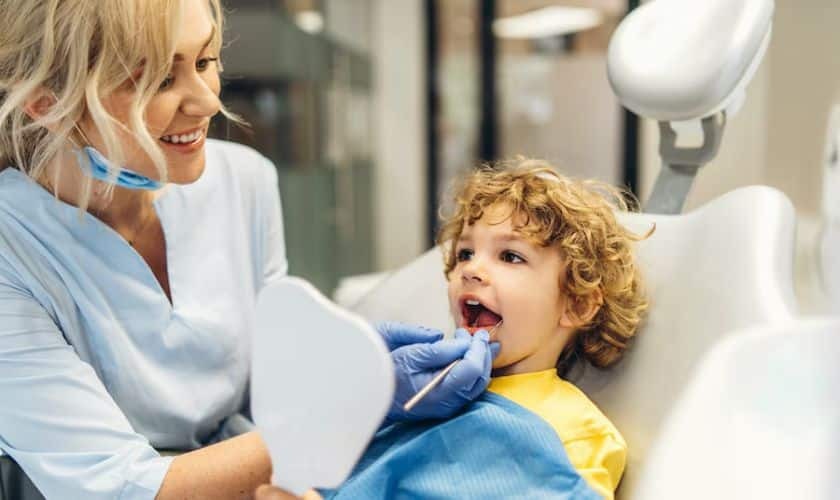
Does your child become nervous, fearful, or overwhelmed before a dental appointment? You are not alone. Dental anxiety is extremely common among children in the United States, especially during procedures involving fillings, extractions, crowns, or emergency dental care. For many families, sedation dentistry can help create a safer, calmer, and more comfortable experience.
But naturally, parents often ask the same important question: Is sedation dentistry safe for children?
The answer is yes—when performed by a trained pediatric dentist following proper safety guidelines, sedation dentistry is considered safe and effective for many children. According to the American Academy of Pediatric Dentistry (AAPD), sedation techniques are widely used to help children receive necessary dental treatment while minimizing fear, discomfort, and movement during procedures.
Research shows that nearly 20% of children experience significant dental anxiety, while early childhood tooth decay remains one of the most common chronic conditions affecting American kids. The Centers for Disease Control and Prevention (CDC) reports that approximately 52% of children ages 6 to 8 have had a cavity in their baby teeth. Unfortunately, fear of the dentist can cause many families to delay essential treatment.
Sedation dentistry may help children:
- Stay calm during procedures
- Reduce dental fear
- Improve cooperation
- Complete multiple treatments in fewer visits
- Build healthier long-term dental habits
In this guide, we will explain:
- How pediatric sedation dentistry works
- Whether sedation is safe for children
- Types of sedation used in pediatric dentistry
- Safety guidelines parents should know
- Tips from pediatric dentists for a successful appointment
What Is Sedation Dentistry For Children?
Sedation dentistry uses medication to help children relax during dental procedures. Depending on the type of sedation used, children may feel calm, sleepy, or less aware of the procedure while remaining safe and closely monitored.
Sedation does not always mean the child is fully asleep. In many cases, children remain awake but relaxed.
Pediatric dentists may recommend sedation for children who:
- Have severe dental anxiety
- Need extensive treatment
- Are very young
- Have special healthcare needs
- Struggle to sit still
- Have strong gag reflexes
- Experienced previous traumatic dental visits
According to the American Academy of Pediatric Dentistry (AAPD), behavior guidance techniques—including sedation—play an important role in helping children receive safe and effective dental care.
Is Sedation Dentistry Safe For Children?
Yes, sedation dentistry is generally safe for children when performed by trained professionals using proper safety protocols.
The American Academy of Pediatrics (AAP) and the AAPD have established detailed sedation guidelines designed to protect pediatric patients before, during, and after treatment.
These guidelines include:
- Continuous monitoring
- Emergency preparedness
- Proper patient screening
- Weight-based medication dosing
- Airway management training
- Recovery observation
A large study published in the journal Pediatrics found that serious complications during pediatric dental sedation are relatively rare when trained providers follow recommended safety standards.
Types Of Sedation Used In Pediatric Dentistry
Nitrous Oxide (Laughing Gas)
Nitrous oxide is the mildest and most commonly used form of sedation for children.
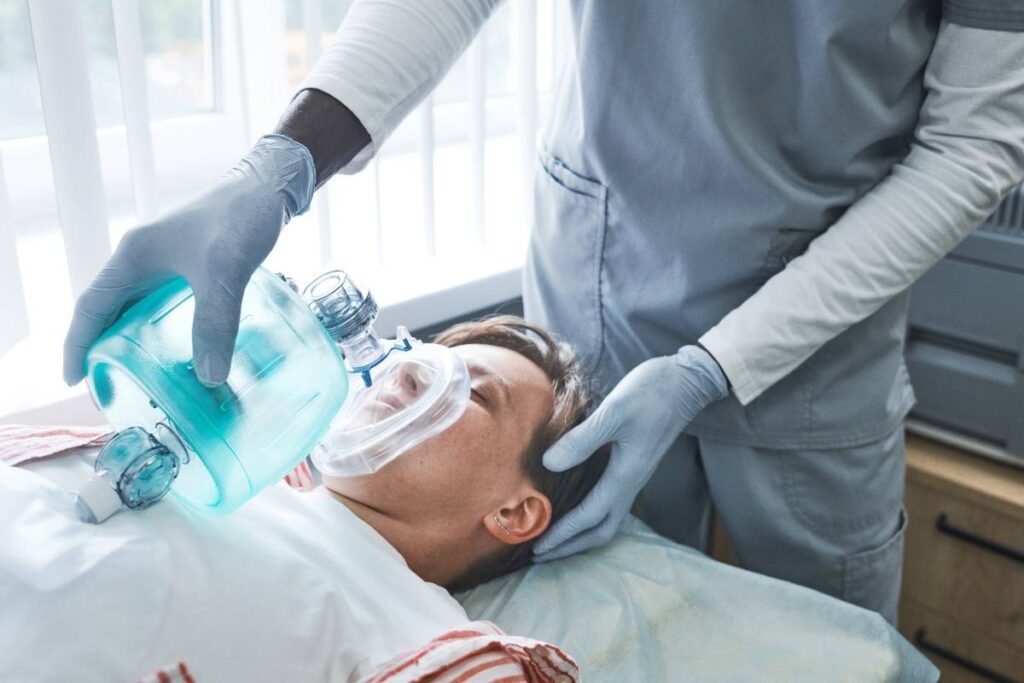
The child breathes a mixture of oxygen and nitrous oxide through a small mask placed over the nose. This helps the child feel relaxed and calm.
Benefits Of Nitrous Oxide
- Fast-acting
- Mild relaxation
- Quick recovery
- Minimal side effects
- Child remains awake
- Safe for many routine procedures
The AAPD considers nitrous oxide one of the safest sedation methods in pediatric dentistry when administered properly.
Many children return to normal activities shortly after treatment.
Oral Conscious Sedation
Oral sedation involves giving medication by mouth before the dental appointment.
The medication helps children:
- Relax
- Feel drowsy
- Reduce anxiety
- Cooperate during treatment
Children usually remain awake but may feel sleepy.
Pediatric dentists carefully calculate medication dosages based on:
- Age
- Weight
- Medical history
- Treatment needs
Parents should always follow fasting and medication instructions carefully before oral sedation appointments.
IV Sedation
Intravenous (IV) sedation delivers medication directly into the bloodstream through a vein.
IV sedation may be recommended for:
- Longer procedures
- Severe anxiety
- Extensive dental work
- Special healthcare needs
Because IV sedation works quickly and deeply, children require close monitoring throughout the procedure.
General Anesthesia
General anesthesia induces a controlled, sleep-like state in the child.
This option may be used when:
- Multiple procedures are needed
- The child cannot cooperate safely
- Extensive decay exists
- Special medical needs are present
Under general anesthesia, children do not feel pain or remember the procedure.
Hospitals and specialized pediatric dental centers often perform general anesthesia cases.
Why Do Some Children Need Sedation Dentistry?
Dental Anxiety And Fear
Dental fear is one of the biggest reasons children require sedation.
According to the Journal of Dental Research, dental anxiety affects millions of children and may continue into adulthood if not managed early.
Fear may develop because of:
- Previous painful experiences
- Loud dental noises
- Fear of needles
- Sensory sensitivities
- Separation anxiety
Sedation can help create more positive dental experiences.
Extensive Tooth Decay
The CDC reports that untreated cavities affect millions of children across the United States.
Children with severe decay may need:
- Multiple fillings
- Crowns
- Tooth extractions
- Pulp therapy
Completing extensive treatment in one visit under sedation may reduce emotional stress for both children and parents.
Special Healthcare Needs
Children with developmental, behavioral, or sensory conditions sometimes benefit from sedation during dental care.
Examples include children with:
- Autism spectrum disorder
- ADHD
- Sensory processing disorders
- Physical disabilities
Sedation may improve safety and comfort during treatment.
How Pediatric Dentists Keep Sedation Safe
Comprehensive Health Evaluation
Before sedation, the dentist reviews:
- Medical history
- Allergies
- Current medications
- Previous sedation experiences
- Breathing conditions
- Sleep apnea history
This evaluation helps identify potential risks.
Weight-Based Medication Dosing
Children metabolize medications differently from adults.
Pediatric dentists use carefully calculated doses based on body weight and age to improve safety.
Continuous Monitoring During Treatment
During sedation, the dental team closely monitors:
- Oxygen levels
- Heart rate
- Blood pressure
- Breathing
- Consciousness level
Modern monitoring equipment significantly improves pediatric sedation safety.
Emergency Training And Equipment
AAPD guidelines require trained providers to maintain emergency preparedness.
Dental offices offering sedation typically have:
- Oxygen supplies
- Emergency medications
- Airway management tools
- CPR-certified staff
Tips From Pediatric Dentists Before Sedation Appointments
Follow Fasting Instructions Carefully
Children may need to avoid eating or drinking before sedation.
Failing to follow fasting instructions can increase the risk of complications during treatment.
Always confirm instructions directly with your pediatric dentist in Puyallup.
Dress Your Child Comfortably
Loose, comfortable clothing can help children feel more relaxed during the appointment.
Avoid tight collars or bulky clothing.
Explain The Visit Calmly
Parents should avoid using frightening language before appointments.
Instead of saying:
- “It won’t hurt.”
- “Don’t be scared.”
try saying:
- “The dentist will help keep your teeth healthy.”
- “You may feel sleepy and relaxed.”
Positive communication can reduce anxiety.
Plan Recovery Time At Home
After sedation, children may feel:
- Sleepy
- Groggy
- Emotional
- Unsteady
Most pediatric dentists recommend quiet activities and rest after treatment.
Possible Side Effects Of Pediatric Sedation Dentistry
Most side effects are mild and temporary.
Common side effects include:
- Drowsiness
- Nausea
- Dizziness
- Irritability
- Dry mouth
Serious complications are rare but possible with any medical procedure involving sedation.
Parents should contact the dentist immediately if the child experiences:
- Difficulty breathing
- Severe vomiting
- Fever
- Excessive sleepiness
- Unusual behavior
How Successful Is Sedation Dentistry For Children?
Sedation dentistry has helped millions of children successfully receive needed oral healthcare.
According to studies published in Pediatric Dentistry, sedation often improves:
- Treatment completion rates
- Child cooperation
- Parent satisfaction
- Long-term dental attitudes
Positive early dental experiences may also reduce dental anxiety later in life.
How To Choose A Safe Pediatric Sedation Dentist
Parents should look for providers who:
- Have pediatric dental training
- Follow AAPD sedation guidelines
- Maintain emergency certifications
- Use modern monitoring equipment
- Explain risks and benefits clearly
Do not hesitate to ask questions about safety protocols before treatment.
Benefits Of Sedation Dentistry For Families
Sedation dentistry can benefit both children and parents by:
- Reducing stress
- Improving comfort
- Completing treatment faster
- Preventing delayed care
- Minimizing traumatic experiences
For many families, sedation makes essential dental care possible when fear or anxiety would otherwise prevent treatment.
Conclusion
Sedation dentistry can be a safe and effective solution for children who experience dental anxiety, require extensive treatment, or have difficulty cooperating during procedures. When administered by trained pediatric dental professionals who follow strict safety protocols, sedation helps many children receive comfortable, stress-free dental care.
From nitrous oxide to general anesthesia, pediatric dentists carefully choose the safest sedation option based on the child’s age, medical history, treatment needs, and anxiety level. Parents also play an important role by following pre-appointment instructions and selecting experienced providers.
Early dental care is essential for lifelong oral health. With proper guidance and safe sedation techniques, children can build positive dental experiences that support healthier smiles for years to come.
Frequently Asked Questions
- Is sedation dentistry safe for toddlers?
Yes. Pediatric dentists may safely use sedation for toddlers when medically appropriate and in accordance with professional guidelines.
- What is the safest sedation option for children?
Nitrous oxide, commonly called laughing gas, is considered one of the safest and mildest sedation methods for many children.
- Will my child be asleep during sedation dentistry?
Not always. Some forms of sedation help children relax while remaining awake. General anesthesia is used when complete sleep is necessary.
- How long does pediatric dental sedation last?
Recovery times vary depending on the type of sedation. Nitrous oxide wears off quickly, while oral or IV sedation may require several hours of monitoring.
- Are there risks with pediatric dental sedation?
All sedation carries some risk, but serious complications are rare when trained professionals follow established pediatric safety guidelines.