Have you ever wondered why pediatric dentists encourage dental visits long before all of your child’s baby teeth have erupted? Many parents assume that primary teeth aren’t as important because they’ll eventually fall out. In reality, healthy baby teeth play a critical role in speech development, nutrition, jaw growth, and the proper positioning of permanent teeth.
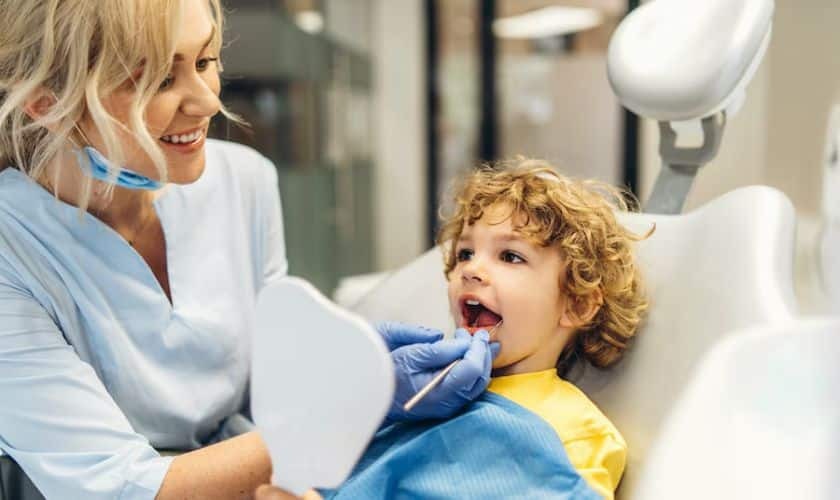
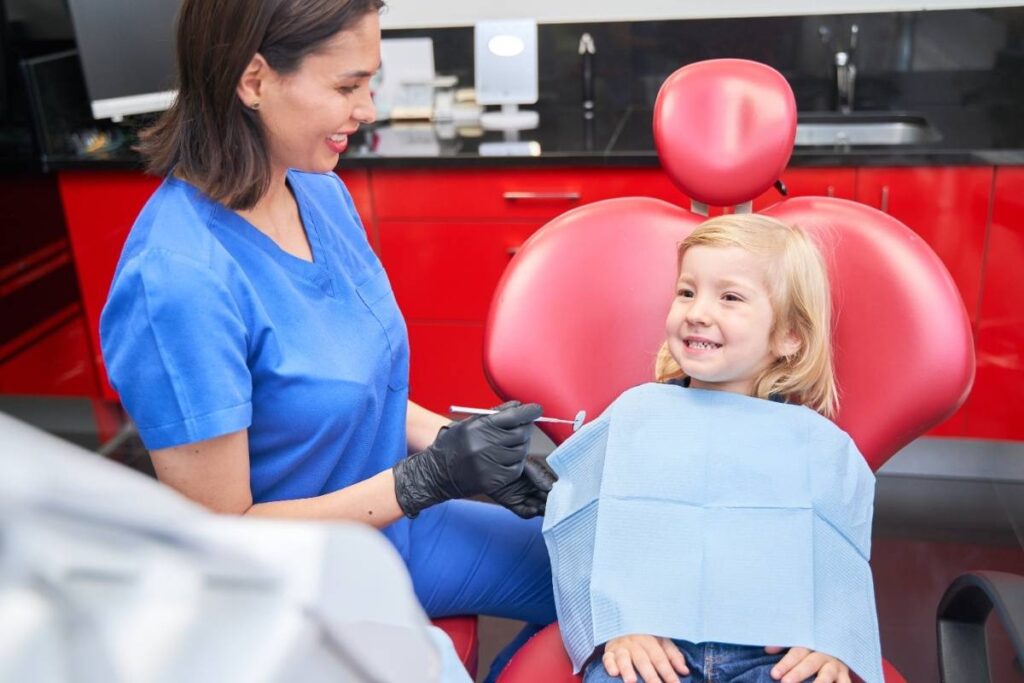
A child’s early dental experiences can also shape their attitude toward oral healthcare for life. Positive visits help children feel comfortable at the dentist, making them more likely to maintain regular dental checkups as they grow older. Pediatric dentists receive specialized training to care for infants, children, adolescents, and patients with special healthcare needs. Their goal isn’t just to treat cavities—it’s to establish healthy habits that last a lifetime.
According to the Centers for Disease Control and Prevention (CDC), more than 50% of children aged 6 to 8 have had at least one cavity in a baby tooth, and over half of adolescents aged 12 to 19 have experienced cavities in their permanent teeth. Tooth decay remains one of the most common chronic childhood diseases in the United States. Still, it is also largely preventable with routine dental care, good oral hygiene, and healthy eating habits.
This guide explains how pediatric dentists help children develop lifelong oral health, what parents can expect during regular visits, and why early preventive care is one of the best investments you can make in your child’s overall well-being.
Why Early Dental Visits Matter
The American Academy of Pediatric Dentistry (AAPD) recommends that children visit a dentist by their first birthday or within six months after the first tooth erupts.
Early visits help:
- Detect cavities before they become serious.
- Monitor tooth and jaw development.
- Identify harmful oral habits.
- Teach parents proper brushing techniques.
- Establish a “dental home” where children receive ongoing preventive care.
Beginning dental visits early helps normalize oral healthcare and reduces fear associated with future appointments.
The Importance of Baby Teeth
Although baby teeth eventually fall out, they serve several essential purposes.
Healthy primary teeth help children:
- Chew food properly.
- Speak clearly.
- Maintain facial development.
- Hold space for permanent teeth.
- Develop confidence in their smile.
Premature loss of baby teeth can increase the risk of crowding, bite problems, and orthodontic issues later in life.
Building Healthy Habits From an Early Age
One of the greatest benefits of pediatric dentistry is education.
Rather than simply treating problems, pediatric dentists teach children and parents how to prevent them.
Topics often include:
- Proper brushing techniques
- Daily flossing
- Healthy snack choices
- Limiting sugary beverages
- Injury prevention
- The importance of routine dental visits
Children who learn these habits early are more likely to continue them into adulthood.
Preventing Cavities Before They Start
Preventive care is the foundation of pediatric dentistry.
Regular checkups allow dentists to detect early signs of:
- Tooth decay
- Gum inflammation
- Bite problems
- Enamel defects
- Oral habits that may affect development
According to the CDC, untreated cavities can lead to pain, infection, difficulty eating, missed school days, and reduced quality of life.
Routine preventive care helps avoid many of these complications.
Professional Dental Cleanings
Even children who brush well can develop plaque and tartar in hard-to-reach areas.
Professional cleanings remove:
- Plaque
- Tartar
- Surface stains
- Food debris
Cleanings also allow the dental team to reinforce good oral hygiene techniques during every visit.
Dental Exams Monitor Healthy Growth
Routine examinations do much more than look for cavities.
Pediatric dentists evaluate:
- Tooth eruption
- Jaw growth
- Bite alignment
- Gum health
- Oral tissues
- Signs of developmental concerns
Early identification of problems often allows for simpler and less invasive treatment.
Fluoride Helps Strengthen Teeth
Fluoride strengthens tooth enamel and makes it more resistant to acid attacks from bacteria.
The CDC recognizes community water fluoridation as one of the 10 greatest public health achievements of the 20th century, and numerous studies have shown that fluoride significantly reduces the risk of cavities in children.
Your pediatric dentist in Puyallup may recommend professional fluoride treatments based on your child’s individual risk of cavities.
Dental Sealants Protect Back Teeth
Molars contain deep grooves where food particles and bacteria can collect.
Dental sealants are thin protective coatings applied to these chewing surfaces to reduce the risk of cavities.
According to the CDC, school-age children without sealants are nearly three times as likely to develop cavities in their permanent molars as children with sealants.
Sealants are painless, quick to apply, and can protect for several years.
Teaching Proper Brushing Techniques
Children often need help brushing effectively long after they can hold a toothbrush independently.
Pediatric dentists demonstrate:
- Correct brushing angles
- Proper brushing time
- Gentle brushing pressure
- How much toothpaste to use
- Areas commonly missed
Parents also receive guidance on supervising brushing until children develop the manual dexterity needed for thorough cleaning.
Nutrition Plays a Major Role in Oral Health
Diet directly affects cavity risk.
Frequent consumption of sugary foods and drinks allows bacteria to produce acids that weaken tooth enamel.
Pediatric dentists encourage families to choose:
- Fresh fruits
- Vegetables
- Cheese
- Yogurt
- Whole grains
- Water instead of sugary beverages
Healthy nutrition supports both oral health and overall childhood development.
Helping Children Feel Comfortable at the Dentist
Dental anxiety often begins during childhood.
Pediatric dental offices are designed to create positive experiences through:
- Friendly communication
- Age-appropriate explanations
- Gentle techniques
- Positive reinforcement
- Child-focused environments
Reducing fear early encourages lifelong confidence in seeking dental care.
Highlight the Importance of Pediatric Dentistry
Several national organizations emphasize the value of preventive dental care for children:
- More than 50% of children aged 6–8 have had at least one cavity in a baby tooth (CDC).
- Over 50% of adolescents aged 12–19 have experienced cavities in permanent teeth (CDC).
- School-age children without dental sealants are almost three times more likely to develop cavities than those with sealants (CDC).
- The American Academy of Pediatric Dentistry recommends establishing a dental home by age one to promote preventive care and improve oral health outcomes.
These statistics demonstrate why routine pediatric dental care is essential for protecting children’s smiles.
Monitoring Jaw Growth and Tooth Development
Children’s mouths change rapidly as they grow. One of the most valuable aspects of routine pediatric dental visits is monitoring the development of the teeth, jaws, and bite.
Pediatric dentists evaluate:
- How permanent teeth are erupting
- Jaw growth and facial development
- Bite alignment (occlusion)
- Crowding or spacing concerns
- Missing or extra teeth
- Habits that may affect oral development
Early identification of orthodontic concerns often allows for simpler and more effective treatment. The American Association of Orthodontists (AAO) recommends that children receive an orthodontic evaluation by age 7, even if braces are not immediately needed.
Managing Dental Anxiety From An Early Age
Many adults who avoid dental care developed dental anxiety during childhood. Pediatric dentists use child-friendly communication and behavior guidance techniques to help children feel comfortable during appointments.
These may include:
- Explaining procedures using age-appropriate language
- Positive reinforcement and encouragement
- Tell-show-do techniques
- Creating a welcoming, kid-friendly environment
- Scheduling shorter appointments for younger children
Positive dental experiences help children build trust and are more likely to encourage lifelong preventive dental care.
Caring for Children With Special Healthcare Needs
Pediatric dentists receive additional training to provide individualized care for children with physical, developmental, behavioral, or medical conditions.
Treatment plans may be adapted based on:
- Medical history
- Communication needs
- Sensory sensitivities
- Physical limitations
- Medication use
- Behavioral considerations
The goal is to provide safe, compassionate, and effective dental care while helping every child achieve optimal oral health.
Preventing Dental Injuries
Active children frequently participate in sports and recreational activities, increasing their risk of dental injuries.
According to the American Dental Association (ADA), properly fitted mouthguards can significantly reduce the risk of broken teeth, lip injuries, and other oral trauma during sports.
Pediatric dentists often recommend custom or well-fitting mouthguards for children who participate in:
- Football
- Basketball
- Soccer
- Baseball
- Hockey
- Wrestling
- Gymnastics
- Skateboarding
Preventing injuries helps preserve healthy teeth and avoids unnecessary emergency dental treatment.
The Role of Parents in Lifelong Oral Health
Parents play a vital role in reinforcing healthy habits between dental visits.
Helpful daily practices include:
Supervising Brushing
Children often need assistance brushing until they develop the coordination to clean all tooth surfaces effectively.
The American Academy of Pediatric Dentistry (AAPD) recommends using a smear of fluoride toothpaste for children younger than 3 years and a pea-sized amount for children aged 3 to 6 years.
Encouraging Daily Flossing
Once teeth begin touching each other, flossing becomes an important part of preventing cavities between teeth.
Parents should assist with flossing until children can perform it properly on their own.
Choosing Tooth-Friendly Snacks
Frequent sugary snacks increase the risk of tooth decay.
Healthier alternatives include:
- Cheese
- Yogurt
- Fresh vegetables
- Apples
- Pears
- Nuts (when age-appropriate)
- Water instead of sugary beverages
A balanced diet supports both oral health and overall development.
Scheduling Routine Dental Visits
Most children benefit from dental examinations and professional cleanings every 6 months, although some may require more frequent visits based on their risk of cavities.
Routine visits allow dentists to:
- Detect cavities early
- Monitor growth
- Apply fluoride treatments
- Evaluate sealants
- Reinforce healthy habits
Why Choosing a Local Pediatric Dentist Matters
Selecting a trusted local pediatric dentist offers advantages beyond convenience.
A local dental practice can:
- Build long-term relationships with your child
- Monitor oral development over many years
- Coordinate care with orthodontists or other specialists if needed
- Provide prompt treatment during dental emergencies
- Offer personalized preventive care based on your child’s unique needs
Consistent care from the same dental team helps children become comfortable with dental visits and encourages better long-term oral health.
Common Myths About Pediatric Dentistry
Myth 1: Baby Teeth Don’t Need Much Care Because They Fall Out
Fact: Baby teeth are essential for chewing, speech, facial development, and guiding permanent teeth into position. Untreated decay can lead to pain, infection, and premature tooth loss.
Myth 2: Children Don’t Need to Visit a Dentist Until They Start School
Fact: The AAPD recommends a child’s first dental visit by their first birthday or within six months after the first tooth erupts.
Myth 3: Cavities in Baby Teeth Aren’t Serious
Fact: Untreated cavities can cause pain, infection, difficulty eating, missed school days, and damage to developing permanent teeth.
Myth 4: Brushing Alone Prevents Cavities
Fact: Brushing is essential, but fluoride, flossing, healthy nutrition, dental sealants, and regular professional examinations all contribute to preventing tooth decay.
Conclusion
Pediatric dentists play a critical role in helping children develop healthy smiles that last well into adulthood. Through preventive care, education, fluoride treatments, dental sealants, growth monitoring, and positive dental experiences, they help children establish habits that reduce the risk of cavities, gum disease, and dental anxiety later in life.
Early dental visits are about much more than checking for cavities—they’re an opportunity to build a strong foundation for lifelong oral health. By partnering with a trusted local Puyallup dentist and maintaining healthy habits at home, parents can give their children the tools they need to enjoy confident, healthy smiles for years to come.
Frequently Asked Questions
- At what age should my child first visit a pediatric dentist?
The American Academy of Pediatric Dentistry recommends scheduling your child’s first dental visit by their first birthday or within six months after the first tooth appears.
- Why are baby teeth important if they eventually fall out?
Baby teeth help children chew properly, develop clear speech, maintain facial structure, and preserve space for permanent teeth. Healthy primary teeth also reduce the risk of pain and infection.
- How often should children visit the dentist?
Most children should have a dental examination and professional cleaning every six months, although some may benefit from more frequent visits depending on their oral health needs.
- Are dental sealants safe for children?
Yes. Dental sealants are safe, painless, and effective. They create a protective barrier over the chewing surfaces of molars, helping reduce the risk of cavities.
- How can parents help prevent cavities at home?
Parents can encourage twice-daily brushing with fluoride toothpaste, daily flossing, healthy eating habits, drinking fluoridated water when available, limiting sugary snacks, and attending regular dental checkups.