Have you recently undergone a dental procedure with sedation and noticed an unpleasant taste or bad breath afterward? You’re not alone. Many patients wonder whether sedation dentistry is causing their bad breath or if something else is happening during the recovery process.
Sedation dentistry has become increasingly popular across the United States because it helps patients feel comfortable and relaxed during dental treatments. According to the American Dental Association (ADA), millions of Americans experience dental anxiety, and sedation options can help improve access to necessary dental care. However, some patients report temporary bad breath following procedures performed under sedation.
The good news is that sedation itself is rarely the direct cause of chronic bad breath. In most cases, temporary halitosis after sedation is linked to dry mouth, reduced saliva flow, post-treatment healing, dietary changes, or oral bacteria.
In this article, we’ll explore why bad breath may occur after sedation dentistry, how long it typically lasts, effective treatment options, and when it’s time to contact your local dentist.
Can Sedation Dentistry Cause Bad Breath?
The short answer is: indirectly, yes.
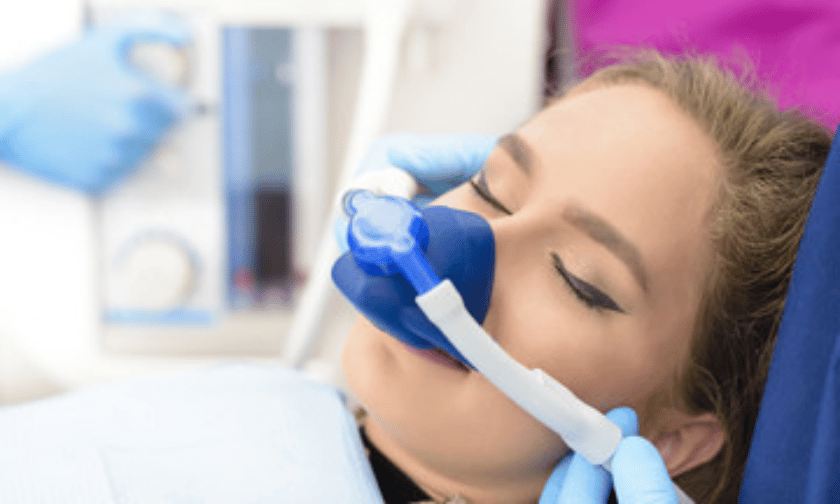
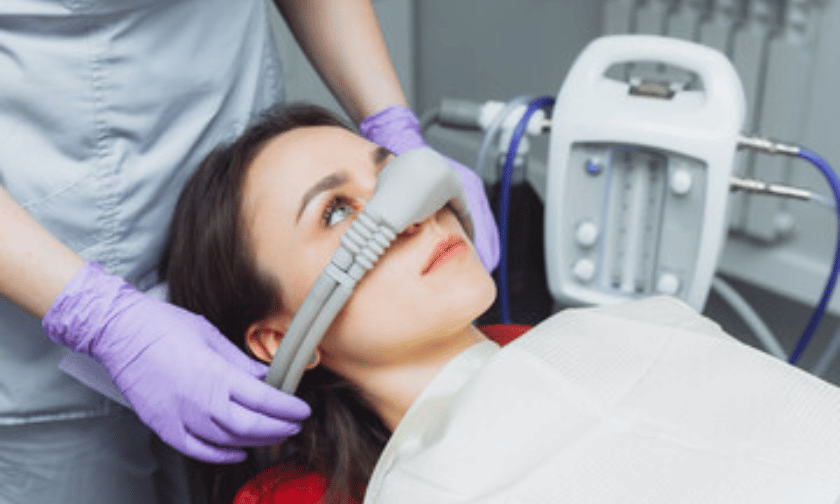
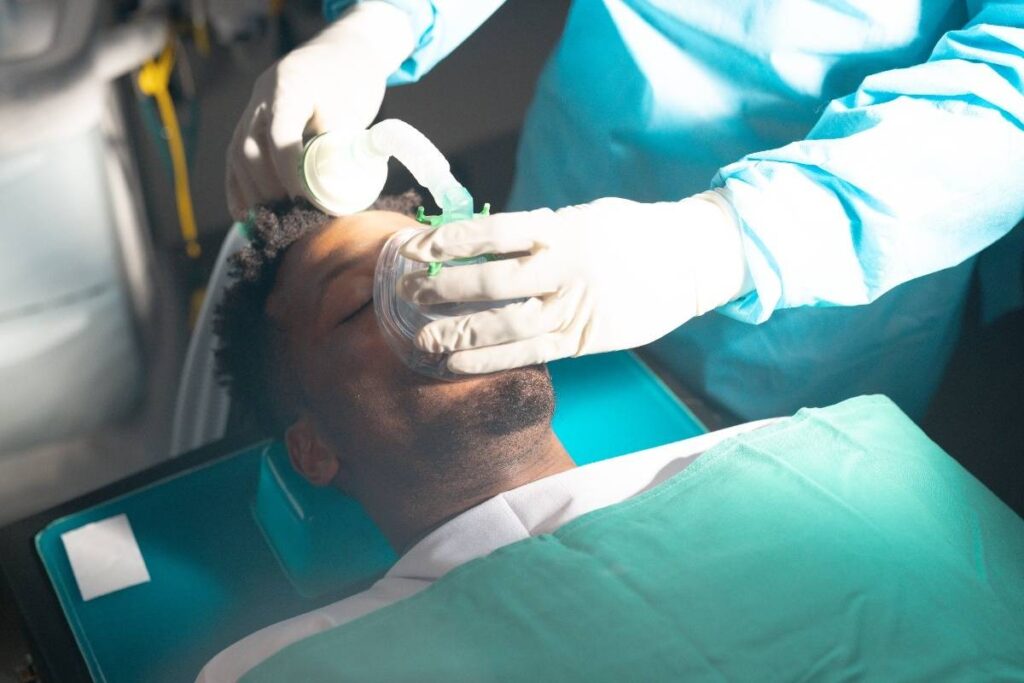
Sedation medications themselves typically do not cause bad breath. However, the side effects and recovery process associated with sedation dentistry in Puyallup can contribute to conditions that allow odor-causing bacteria to thrive.
Many patients experience temporary bad breath for a few hours to a few days following treatment.
Understanding the underlying causes can help determine the best solution.
Why Bad Breath Happens After Sedation Dentistry
1. Dry Mouth Is the Most Common Cause
One of the leading causes of bad breath after sedation is dry mouth, also known as xerostomia.
Saliva plays an essential role in oral health because it:
- Washes away food particles
- Neutralizes acids
- Reduces bacterial growth
- Keeps tissues moist
Certain sedative medications can temporarily reduce saliva production.
According to the National Institute of Dental and Craniofacial Research (NIDCR), saliva is critical for controlling bacteria and preventing oral odor. When saliva decreases, bacteria can multiply more easily and produce foul-smelling sulfur compounds.
Common symptoms of dry mouth include:
- Sticky feeling in the mouth
- Thick saliva
- Difficulty swallowing
- Dry tongue
- Persistent bad breath
2. Breathing Through the Mouth During Procedures
Many patients breathe through their mouths while sedated.
Mouth breathing dries oral tissues and creates an environment where odor-causing bacteria can flourish.
Research published by the National Institutes of Health (NIH) has shown that reduced oral moisture significantly contributes to halitosis.
3. Post-Treatment Healing
If sedation was used during:
- Tooth extraction
- Dental implant placement
- Gum surgery
- Periodontal treatment
Healing tissues may contribute to temporary unpleasant odors.
During recovery, blood clot formation and tissue repair are normal processes. Mild odor during healing does not always indicate infection.
According to the American Association of Oral and Maxillofacial Surgeons (AAOMS), most extraction sites heal normally within several weeks.
4. Food Restrictions After Dental Treatment
Many patients consume soft foods after dental procedures, including:
- Yogurt
- Pudding
- Mashed potatoes
- Smoothies
While these foods aid recovery, food particles can linger in the mouth if proper hygiene is difficult due to soreness.
Bacteria feed on these particles and may contribute to bad breath.
5. Reduced Oral Hygiene During Recovery
Patients recovering from dental procedures sometimes avoid brushing or flossing near the treatment areas due to discomfort.
Unfortunately, plaque can begin accumulating within 24 hours.
The Centers for Disease Control and Prevention (CDC) reports that plaque bacteria are a major contributor to oral disease and bad breath.
Even short-term reductions in oral hygiene may allow odors to develop.
6. Temporary Medication Side Effects
Certain medications prescribed after sedation may contribute to dry mouth, including:
- Pain medications
- Antihistamines
- Anti-anxiety medications
- Some antibiotics
The American Dental Association notes that hundreds of medications can reduce saliva production, increasing the likelihood of temporary halitosis.
How Common Is Bad Breath?
Bad breath is extremely common.
According to the American Dental Association, approximately 50% of adults experience bad breath at some point in their lives.
Additionally, studies published in the Journal of Clinical Dentistry estimate that chronic halitosis affects roughly 25% of the global population.
While sedation-related bad breath is usually temporary, persistent odor should always be evaluated.
How Long Does Bad Breath Last After Sedation Dentistry?
The duration depends on the cause.
| Cause | Typical Duration |
| Dry mouth from sedation | Several hours to 2 days |
| Mouth breathing effects | 1–3 days |
| Extraction healing | Several days to 2 weeks |
| Reduced oral hygiene | Improves with proper cleaning |
| Infection-related odor | Requires professional treatment |
Most patients notice gradual improvement as hydration, saliva flow, and normal oral hygiene routines return.
Signs That Bad Breath May Indicate a Problem
Temporary odor is common.
However, contact your dentist if bad breath is accompanied by:
- Severe pain
- Fever
- Swelling
- Pus drainage
- Persistent bleeding
- Difficulty swallowing
- Foul taste lasting more than several days
These symptoms may indicate an infection or complications that require prompt treatment.
How To Treat Bad Breath After Sedation Dentistry
Stay Hydrated
Drinking water is one of the easiest and most effective solutions.
Water helps:
- Stimulate saliva production
- Rinse away bacteria
- Remove food debris
- Reduce dry mouth symptoms
The Mayo Clinic recommends increasing fluid intake when experiencing a dry mouth.
Practice Gentle Oral Hygiene
Continue brushing and flossing according to your dentist’s instructions.
Use:
- A soft-bristled toothbrush
- Fluoride toothpaste
- Gentle cleaning techniques
Avoid aggressively brushing surgical areas.
Use Alcohol-Free Mouthwash
Some traditional mouthwashes contain alcohol that can worsen dry mouth.
Alcohol-free rinses may help:
- Freshen breath
- Reduce bacteria
- Maintain moisture
Ask your local Puyallup dentist which rinse is best for your situation.
Clean Your Tongue
The tongue harbors millions of bacteria.
According to research published in the International Journal of Dental Hygiene, tongue coating is one of the leading causes of oral malodor.
Use:
- A tongue scraper
- A soft toothbrush
To gently clean the tongue daily.
Stimulate Saliva Production
To increase saliva flow, try:
- Sugar-free gum
- Sugar-free lozenges
- Frequent water intake
Products containing xylitol may offer additional oral health benefits.
Follow Post-Operative Instructions
If you recently underwent oral surgery, carefully follow all recovery instructions.
This helps:
- Prevent infection
- Support healing
- Minimize odor-causing bacteria
Proper wound care is essential for fresh breath and successful recovery.
Foods That Help Reduce Bad Breath
Certain foods naturally support oral health.
Examples include:
Crunchy Fruits and Vegetables
- Apples
- Carrots
- Celery
These foods stimulate saliva production.
Yogurt
Research published by the NIH suggests probiotic-rich yogurt may help reduce odor-causing bacteria in some individuals.
Water-Rich Foods
- Cucumbers
- Watermelon
- Lettuce
These foods contribute to hydration and oral moisture.
When Should You Visit Your Dentist?
Schedule an appointment if:
- Bad breath persists beyond two weeks
- Dry mouth becomes severe
- You notice signs of infection
- Home remedies do not help
- You develop gum bleeding or tooth pain
The ADA recommends regular dental examinations because persistent bad breath can sometimes signal underlying dental disease.
Preventing Bad Breath During Future Sedation Procedures
You can reduce the risk of post-sedation halitosis by:
- Staying hydrated before treatment (if permitted)
- Following all pre-procedure instructions
- Maintaining excellent oral hygiene beforehand
- Attending regular dental cleanings
- Informing your dentist about medications that cause dry mouth
Preventive care often reduces recovery-related oral odor.
Conclusion
So, is sedation dentistry causing bad breath?
In most cases, sedation itself is not the direct culprit. Instead, temporary bad breath typically results from dry mouth, reduced saliva flow, mouth breathing, healing tissues, medication side effects, or changes in oral hygiene during recovery.
Fortunately, most cases improve within a few days through proper hydration, gentle oral care, saliva stimulation, and adherence to post-treatment instructions. However, persistent bad breath accompanied by pain, swelling, fever, or drainage should be evaluated by a dental professional.
If you’ve recently undergone sedation dentistry and are concerned about bad breath, your local dentist can identify the cause and recommend the most effective treatment to help you achieve a healthier, fresher smile.
Frequently Asked Questions
- Is bad breath normal after sedation dentistry?
Yes. Temporary bad breath is common and is usually caused by dry mouth, healing tissues, or reduced saliva production rather than the sedation medication itself.
- How long does bad breath last after sedation?
Most patients notice improvement within a few hours to several days, depending on the underlying cause and type of dental procedure performed.
- Can a dry mouth from sedation cause bad breath?
Absolutely. Dry mouth is one of the most common reasons for temporary halitosis because saliva helps control odor-causing bacteria.
- When should I worry about bad breath after a dental procedure?
Contact your dentist if bad breath is accompanied by severe pain, fever, swelling, pus, bleeding, or lasts longer than two weeks.
- What is the fastest way to improve bad breath after sedation?
Hydration, gentle brushing, tongue cleaning, alcohol-free mouthwash, and following your dentist’s recovery instructions are among the most effective ways to improve breath quickly.