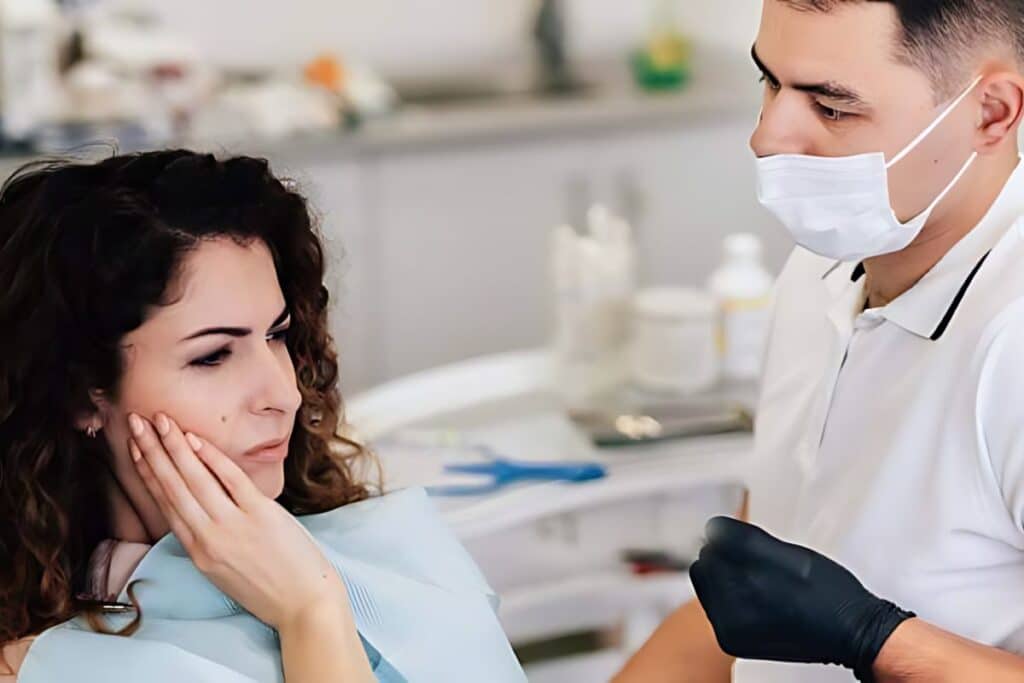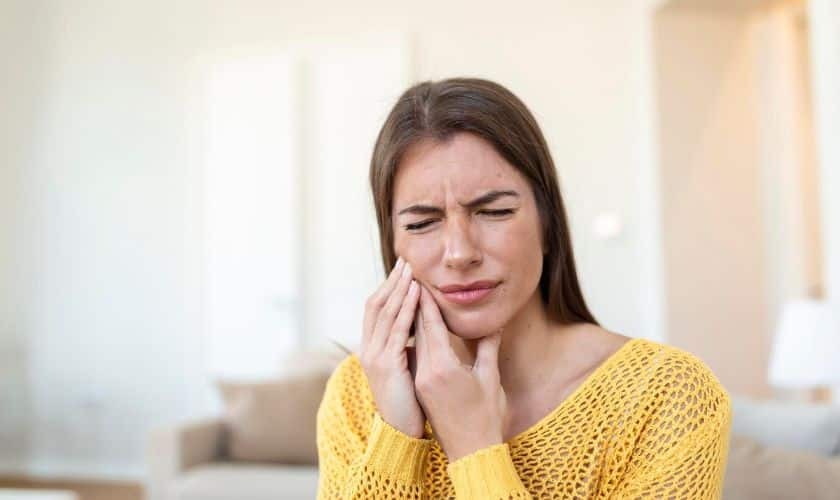
Ever take a moment to think about how fast an average day can turn into a stress day because of toothache, a broken filling, or a lost tooth? The Centers for Disease Control and Prevention (CDC) claims that more than 2 million emergency department visits to ERs in the United States every year are attributable to dental problems. What is even more surprising is that most of these emergencies can be prevented by proper care and maintenance.
Dental emergencies are not only painful; it is also an interruption to your schedule and can result in expensive procedures. On the bright side? Most of them are avoidable. With some simple yet effective adjustments to your daily routine—and with the help of a trusted Puyallup Dentist—you can protect your smile and avoid those last-minute trips to the dental chair.
Practical ways of minimizing your risk of dental emergencies
1. Keep Up with Regular Dental Checkups
Having your teeth checked by your dentist every six months is one of the best things you can do to prevent a dental emergency. On these routine visits, your dentist can catch an early indication of a cavity, gum disease, or worn-out filling before they become painful conditions. Professional cleaning also removes plaque and tartar that home brushing does not. It’s a preventive maintenance procedure—like getting your car serviced before it breaks down.
2. Practice Good Daily Oral Hygiene daily
Your daily morning and nighttime routine is your best protection against unexpected toothache. Twice-daily brushing with fluoride toothpaste kills harmful germs, and flossing prevents food and plaque from accumulating between gums and teeth. Neglecting these little habits can result in rotting teeth, infections, and gum disease—fortunately, all leading causes of individuals sitting in an emergency dentist’s chair. Being consistent at this point can spare you from unexpected pain later.
3. Avoid Ignoring Tooth Pain or Sensitivity
Toothache is your body’s signal that something is wrong. Sensitivity to cold or heat, gum inflammation, or ongoing pain is not necessarily an emergency, but it can quickly become severe infection or abscess. When you ignore the early signals, it typically results in costly and painful emergencies. If in doubt, contact your dentist right away—it is always better to address the issue early instead of letting it become one.
4. Protect Your Teeth When Playing Sports
Sports injuries are among the most common causes of dental trauma. A wayward elbow, a tumble, or an accidental bump can chip, crack, or even dislodge a tooth. If you engage in contact sports such as football, hockey, basketball, or even high-risk sports such as skateboarding or biking, a custom mouthguard is essential. This inexpensive protection can preserve your teeth—and you thousands of dollars in emergency dental care.
Ever wondered why having a trusted emergency dentist matters when every second counts? Discover how choosing the right emergency dentist can actually save your smile.
5. Avoid Using Your Teeth as Tools
Your teeth are not to be used for biting food, opening cans, tearing wrap, or biting your nails. These seemingly harmless activities exert enormous pressure on your enamel and can cause chips or cracks in a matter of seconds. Instead of risking long-term damage, use scissors, nail clippers, or whatever you require. Your teeth will thank you.
6. Treat Hard Foods Carefully
Dental emergencies are most often caused by you biting down on something too hard. A cracked tooth, chewed-through fillings, or even cracking can be caused by eating ice, hard candy, or unpopped popcorn kernels. Once your enamel is cracked, it doesn’t heal itself. To have healthy teeth, stick to safer snack foods and watch what you’re biting down on.
7. Treat Teeth Grinding (Bruxism)
Grinding or clenching your teeth—most often while you sleep—can silently wear away enamel, loosen fillings, and crack teeth over time. It can also cause jaw pain and headaches. If you believe you grind your teeth, talk to your dentist about a custom night guard. This simple appliance guards your teeth and saves your smile from damage while you sleep.
8. Eat a Healthy Diet
What you eat plays a significant role in your mouth health. Sweet drinks, sour sodas, and sticky foods erode enamel and feed nasty bacteria that cause decay. A balanced diet of fruits, vegetables, lean protein, and calcium-enriched foods keeps your teeth and gums robust, lowering your risk for cavities and infection. Drinking water rather than soda is a simple step that yields enormous benefits.
9. Be Prepared with an Emergency
Dentist Despite the best habits, accidents happen. A slip, a chipped tooth, or surprise pain can’t always be prevented. That’s why it’s a good idea to have the contact number of a good emergency dentist in your vicinity on hand. Having the path to follow and who to call will save valuable time, reduce anxiety, and even be the difference between saving and losing a tooth.
Prevent Dental Emergencies with These Tips
| Precaution | Why It Helps |
|---|---|
| Brush and floss daily | Keeps teeth and gums healthy, reducing chances of decay and infections. |
| Wear a mouthguard during sports | Protects teeth from chips, cracks, or being knocked out during physical activity. |
| Avoid chewing hard objects | Prevents cracks or broken teeth from ice, pens, or hard candy. |
| Don’t use teeth as tools | Stops accidental chips or fractures from opening packages or bottles. |
| Schedule regular dental checkups | Detects small problems early before they turn into emergencies. |
| Maintain a healthy diet | Strengthens teeth and gums while lowering risk of cavities and gum disease. |
| Manage teeth grinding (bruxism) | Reduces wear, fractures, and jaw pain with nightguards or stress management. |
| Practice good oral hygiene habits | Keeps bacteria under control to prevent infections and gum problems. |
| Know your dentist’s emergency info | Helps you act quickly if a dental emergency happens. |