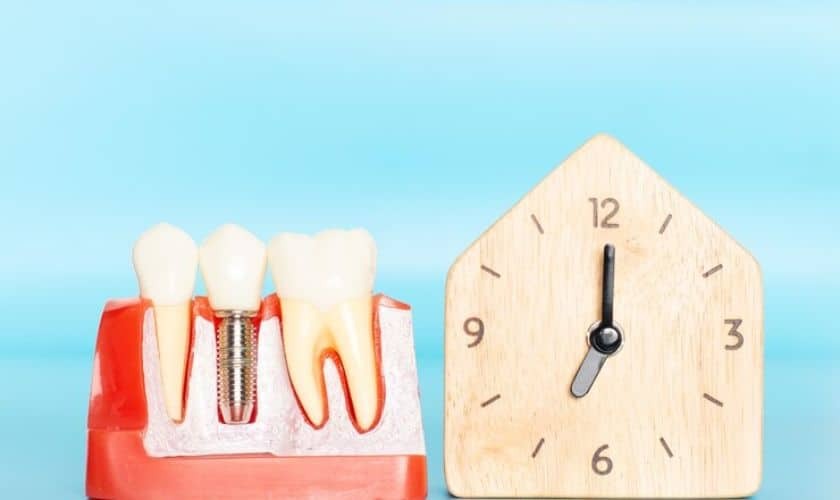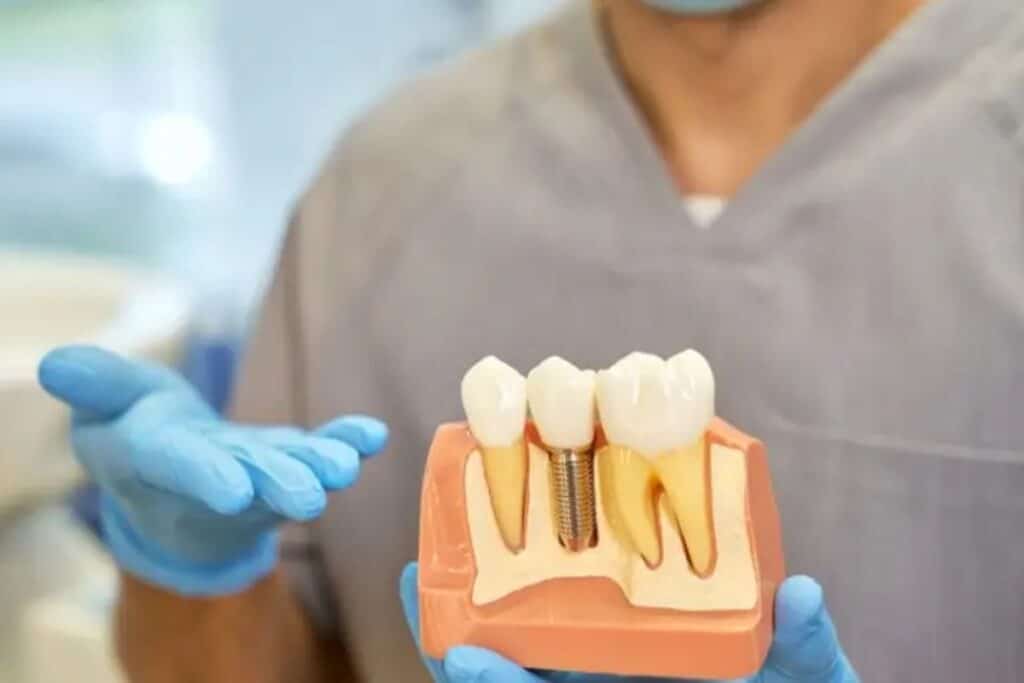
Imagine walking into a dental clinic, ready to restore your smile with implants. Your dentist presents two options: the revolutionary “1999 Implants” and the tried-and-true traditional dental implants. You might wonder, “What makes these 1999 Implants so special, and how do they stack up against the traditional ones?” Let’s dive into a detailed comparison, backed by data and expert insights, to help you make an informed decision.
What are 1999 Implants?
1999 Implants refer to a breakthrough in dental implant technology introduced in the late 1990s. These implants are known for their enhanced biocompatibility, faster integration with the jawbone, and innovative design, which aims to reduce healing time and improve overall patient outcomes.
A Quick Trip Down Memory Lane (1999 and Before)
Traditional Implants: In the late 20th century, dental implants were a groundbreaking innovation. They primarily relied on titanium, a biocompatible metal that integrates with bone. However, the process was often longer, with longer healing times.
Challenges of the Past:
- Longer Procedures: Implant placement and the entire process could be more time-consuming.
- Higher Risk of Complications: Early implant designs and surgical techniques sometimes lead to higher rates of complications.
- Limited Options: The range of implant materials and designs was more restricted.
Fast Forward to Today: A New Era of Dental Implants
1999 Implants vs. Modern Implants: Today’s dental implants boast significant advancements:
- Improved Materials: Titanium remains a mainstay, but we now have access to innovative materials like zirconia, known for its strength and aesthetic appeal.
- Advanced Designs: Implant designs have evolved to be more biocompatible, improving osseointegration (the process of the implant fusing with bone).
- Minimally Invasive Techniques: Modern surgical techniques are less invasive, leading to faster healing times and reduced discomfort.
- Enhanced Success Rates: Thanks to advancements in materials, design, and surgical techniques, success rates for modern implants are significantly higher than in 1999.
According to a 2001 study published in the Journal of Oral Implantology, the 5-year success rate for dental implants placed in the 1990s ranged from 85% to 95%.
Key Differences
- Healing Time: Modern implants often have shorter healing periods, allowing patients to return to their normal routines more quickly.
- Success Rates: Studies have shown that modern implant success rates can exceed 95%, a significant improvement over earlier figures.
- Comfort and Convenience: Minimally invasive techniques and improved anesthesia options have made the entire implant process more comfortable for patients.
The Bottom Line: A Win for Patients
The evolution of dental implants has been truly remarkable. Patients today benefit from:
- Improved Aesthetics: Modern implants seamlessly blend with natural teeth, restoring both function and confidence.
- Enhanced Durability: With advancements in materials and design, today’s implants are built to last for many years.
- Increased Comfort and Convenience: The entire implant process, from placement to recovery, is generally more comfortable and less time-consuming.
Looking Ahead
The future of dental implants is bright. Research continues to focus on:
- Digital Dentistry: Utilizing advanced technologies like 3D imaging and computer-guided surgery for greater precision and predictability.
- Personalized Treatments: Tailoring implant solutions to individual patient needs and preferences.
- Innovative Materials: Exploring new materials that may offer even better biocompatibility and longevity.
If you’re considering dental implants, it’s crucial to consult with a qualified dentist in Puyallup. They can assess your individual needs and recommend the best treatment plan based on your specific situation.