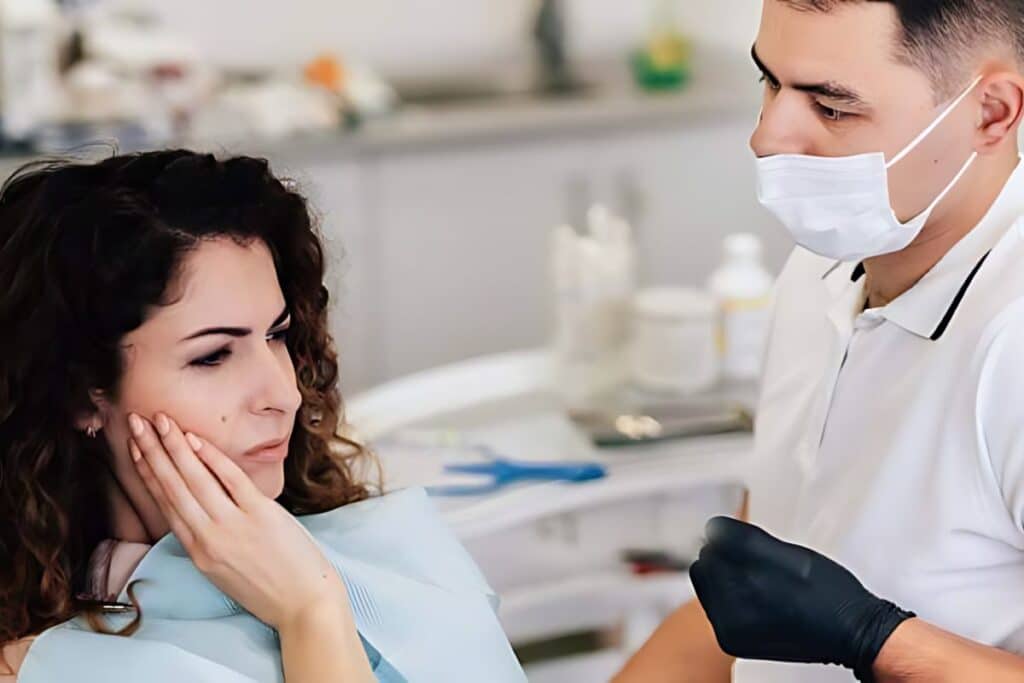
You wake up with severe tooth pain, chip a tooth during lunch, or notice sudden swelling in your gums. As you prepare to head to an emergency dentist, one question may cross your mind: “Should I brush my teeth before my appointment, or could it make the problem worse?”
The answer depends on the type of dental emergency you’re experiencing. In many situations, gently brushing your teeth before your visit can help remove food debris and bacteria, making it easier for your dentist to examine your mouth. However, if you’ve suffered a traumatic dental injury, have uncontrolled bleeding, or have a tooth that has been knocked out, brushing too aggressively may cause additional damage.
Knowing what to do before arriving at an emergency dental office can improve your comfort and may even help preserve your natural tooth. According to the American Dental Association (ADA), prompt treatment for dental emergencies can reduce complications and improve treatment outcomes. Additionally, the Centers for Disease Control and Prevention (CDC) reports that more than 1 in 4 U.S. adults have untreated tooth decay, while nearly 42% of adults aged 30 years and older have periodontitis—two common conditions that can lead to dental emergencies if left untreated.
This guide explains when brushing before an emergency dental visit is recommended, when it should be avoided, and how to prepare for your appointment to help your dentist provide the best possible care.
Should You Brush Your Teeth Before an Emergency Dental Visit?
In most cases, yes—but gently.
Brushing your teeth before an emergency appointment is often beneficial because it helps:
- Remove food particles
- Reduce plaque and bacteria
- Improve visibility for your dentist
- Freshen your breath
- Lower the amount of debris around the affected tooth
However, the key is to brush carefully. Avoid vigorous brushing or flossing if the area is painful, bleeding, or has experienced trauma.
If you’re unsure, a gentle rinse with lukewarm water is usually a safe option until your dentist can evaluate the problem.
When Is It Safe to Brush?
Toothache
If you’re experiencing a toothache caused by a cavity, cracked filling, or food trapped between your teeth, gentle brushing can help remove debris that may be contributing to the discomfort.
Use:
- A soft-bristled toothbrush
- Fluoride toothpaste
- Gentle circular motions
Avoid brushing aggressively around sensitive areas.
Broken Filling or Crown
If a filling or crown has come loose but the tooth is still intact, gently brushing nearby teeth helps keep the area clean.
Avoid chewing on the affected side until your appointment.
Swollen Gums
If your gums are swollen because of gingivitis or another gum condition, gentle brushing helps remove plaque that contributes to inflammation.
Stopping your oral hygiene routine entirely may allow bacteria to multiply.
Food Stuck Between Teeth
Food trapped between teeth can sometimes cause significant discomfort.
Brush gently and floss carefully only if the floss slides easily.
Never force floss into a tight space because it may injure your gums.
When Should You Avoid Brushing?
Certain emergencies require extra caution.
Knocked-Out Tooth (Avulsed Tooth)
If your permanent tooth has been completely knocked out:
- Do not brush the empty socket.
- Handle the tooth only by the crown.
- Avoid touching the root.
- Rinse the tooth gently with milk or saline if it is dirty.
- Place it back into the socket if possible, or store it in milk or a tooth preservation solution.
- Seek emergency dental care immediately.
According to the American Association of Endodontists (AAE), a knocked-out permanent tooth has the highest chance of successful reimplantation when treated within 30 to 60 minutes.
Heavy Bleeding
If you have significant bleeding after an injury or dental procedure:
Do not brush the affected area.
Instead:
- Bite gently on clean gauze.
- Apply steady pressure.
- Contact your emergency dentist in Puyallup immediately.
Large Soft Tissue Injuries
If your lips, cheeks, or gums have deep cuts:
Avoid brushing directly over injured tissues.
Rinse gently with clean water or saline instead.
Loose Tooth After Trauma
If your permanent tooth feels loose following an accident:
Avoid brushing directly on the tooth.
Additional movement could worsen ligament damage.
Seek emergency evaluation as soon as possible.
Why Oral Cleanliness Matters During a Dental Emergency
Even during an emergency, maintaining a clean mouth helps reduce bacterial buildup.
A cleaner mouth may:
- Improve your dentist’s view of the affected area
- Lower bacterial contamination
- Reduce unpleasant taste and odor
- Help identify the source of pain more easily
However, cleanliness should never come at the expense of causing additional injury.
What Else Should You Do Before Seeing an Emergency Dentist?
Besides brushing when appropriate, these steps may help:
Rinse With Warm Salt Water
For some dental problems, a warm saltwater rinse can help remove debris and soothe irritated tissues.
Mix approximately ½ teaspoon of salt in 8 ounces of warm water.
Avoid vigorous swishing.
Take Medications Only as Directed
If needed, over-the-counter pain medication may help relieve discomfort.
Always follow the manufacturer’s instructions and your healthcare provider’s recommendations.
Never place aspirin directly against the gums, as it may irritate oral tissues.
Bring Important Information
Prepare a list of:
- Current medications
- Allergies
- Medical conditions
- Recent dental work
- Insurance information (if applicable)
This helps your emergency dentist begin treatment more efficiently.
Common Dental Emergencies That Require Immediate Care
Emergency dentists commonly treat:
- Severe toothaches
- Broken teeth
- Chipped teeth
- Knocked-out teeth
- Loose permanent teeth
- Dental abscesses
- Lost crowns
- Broken fillings
- Swollen gums
- Facial swelling
- Dental trauma
Prompt evaluation often reduces the risk of more serious complications.
Highlight the Importance of Emergency Dental Care
Several national organizations emphasize the importance of timely treatment.
Some notable statistics include:
- More than one in four U.S. adults have untreated tooth decay, according to the CDC.
- Approximately 42% of adults aged 30 years and older have periodontitis, one of the leading causes of tooth loss (CDC).
- The American Association of Endodontists reports that immediate care significantly improves the chances of saving a knocked-out permanent tooth.
- The National Institute of Dental and Craniofacial Research (NIDCR) identifies dental caries as one of the most common chronic diseases affecting Americans.
These findings underscore the importance of seeking prompt emergency dental care rather than delaying treatment.
What Happens During an Emergency Dental Appointment?
When you arrive at the emergency dental office, your dentist’s priority is to relieve pain, identify the cause of the problem, and prevent further damage. Every emergency is different, but most appointments follow a similar process.
Your dentist may:
- Review your symptoms and medical history.
- Ask when the pain or injury started.
- Examine your teeth, gums, jaw, and surrounding soft tissues.
- Take digital X-rays to evaluate the tooth roots and bone.
- Assess signs of infection, fractures, or trauma.
- Discuss treatment options based on the diagnosis.
Early diagnosis often allows your dentist to use more conservative treatments and may increase the chances of saving your natural tooth.
Emergency Dental Treatments You May Need
Depending on the cause of your emergency, your dentist may recommend one or more of the following treatments.
Tooth-Colored Filling
If a cavity or a broken filling causes your pain, removing the decay and placing a new composite filling may restore the tooth and relieve discomfort.
Dental Crown
A cracked or severely damaged tooth may require a dental crown to restore its strength and function.
If a crown has fallen off, your dentist may be able to recement it if it is still in good condition.
Root Canal Therapy
When the dental pulp becomes infected or inflamed, root canal treatment may save the natural tooth and eliminate the source of pain.
According to the American Association of Endodontists (AAE), millions of root canal procedures are successfully performed each year, allowing patients to keep their natural teeth.
Tooth Splinting
If trauma has loosened a permanent tooth, your dentist may stabilize it by attaching it to adjacent teeth with a flexible splint while the supporting tissues heal.
Drainage of a Dental Abscess
A dental abscess is a serious infection that often requires prompt treatment. Your dentist may drain the infection, prescribe medication when appropriate, and recommend additional procedures to eliminate the underlying cause.
Tooth Extraction
If a tooth is too severely damaged to be restored, extraction may be the safest option. Your dentist will discuss tooth replacement options, such as dental implants, bridges, or partial dentures, when appropriate.
Recovery Tips After Emergency Dental Treatment
Following your dentist’s instructions is essential for a smooth recovery and to reduce the risk of complications.
Continue Gentle Brushing
Unless your dentist advises otherwise, continue brushing your teeth twice a day using a soft-bristled toothbrush. Avoid scrubbing the treated area aggressively while it heals.
Floss Carefully
Resume flossing around the treated area only when your dentist indicates it is appropriate. Good oral hygiene helps reduce plaque buildup and supports healing.
Eat Soft Foods
After many emergency procedures, soft foods are easier to tolerate.
Good options include:
- Yogurt
- Mashed potatoes
- Applesauce
- Oatmeal
- Scrambled eggs
- Cottage cheese
- Smooth soups (cooled if the area is sensitive)
Avoid hard, sticky, or crunchy foods until your local Puyallup dentist says it’s safe.
Stay Hydrated
Drinking plenty of water helps maintain saliva flow, supports healing, and helps wash away food particles and bacteria.
Take Medications Exactly as Prescribed
If your dentist prescribes medication, follow the instructions carefully and complete the full course when indicated.
Do not stop medications early without consulting your dentist or physician.
Can Brushing Prevent Dental Emergencies?
In many cases, yes.
Although accidents cannot always be prevented, maintaining good oral hygiene significantly reduces the risk of common dental emergencies caused by decay and gum disease.
According to the Centers for Disease Control and Prevention (CDC):
- More than 1 in 4 U.S. adults have untreated tooth decay.
- Approximately 42% of adults aged 30 years and older have periodontitis.
Many of these conditions can be prevented or detected early through regular dental care.
Tips to Reduce Your Risk of Emergency Dental Visits
Protecting your oral health can help reduce the risk of a dental emergency.
Brush Twice Daily
Use fluoride toothpaste and brush for at least two minutes each morning and evening.
Floss Every Day
Daily flossing removes plaque and food particles from areas your toothbrush cannot reach.
Visit Your Dentist Regularly
Routine examinations and professional cleanings allow your dentist to detect:
- Cavities
- Cracked fillings
- Gum disease
- Worn restorations
- Early signs of infection
Treating these problems early can help prevent emergencies.
Wear a Mouthguard During Sports
Athletic mouthguards significantly reduce the risk of chipped, broken, and knocked-out teeth during contact sports and recreational activities.
Avoid Chewing Hard Objects
Chewing on ice, hard candy, pens, or popcorn kernels increases the risk of cracked teeth and damaged dental restorations.
Don’t Ignore Dental Pain
Persistent tooth sensitivity or discomfort rarely improves without treatment. Scheduling an appointment early may prevent a more serious dental emergency later.
Common Myths About Brushing Before an Emergency Dental Visit
Myth 1: You Should Never Brush Before Seeing an Emergency Dentist
Fact: In most situations, gently brushing your teeth is helpful because it removes food debris and plaque, making the examination easier. However, brushing should be avoided after certain traumatic injuries, such as a knocked-out tooth or significant soft tissue damage.
Myth 2: Brushing Harder Cleans the Problem Better
Fact: Aggressive brushing can irritate already inflamed tissues and may worsen bleeding or discomfort. A soft-bristled toothbrush and gentle technique are recommended.
Myth 3: Mouthwash Can Replace Brushing
Fact: While an antimicrobial mouth rinse may help reduce bacteria temporarily, it does not remove plaque and food debris as effectively as brushing and flossing.
Myth 4: If the Pain Goes Away, You Don’t Need to See a Dentist
Fact: Dental pain that disappears may indicate that the nerve inside the tooth has died, but the infection or damage can remain. Professional evaluation is still necessary.
Conclusion
Brushing your teeth before visiting an emergency dentist is usually a good idea, provided you do so gently and avoid aggravating any injuries. Removing food particles and plaque can make it easier for your dentist to evaluate the affected area while helping maintain a cleaner oral environment. However, if you’ve experienced significant trauma, heavy bleeding, or a knocked-out tooth, it’s best to avoid brushing the injured area and seek emergency dental care immediately.
The most important step during any dental emergency is not whether you brush first—it’s how quickly you receive professional treatment. Prompt evaluation can relieve pain, prevent complications, and often save your natural tooth. Maintaining excellent oral hygiene, attending regular dental checkups, and addressing dental problems early remain the best ways to reduce the risk of future emergencies.
Frequently Asked Questions
- Should I brush my teeth before an emergency dental appointment?
Yes, in most cases. Gently brushing your teeth can remove food particles and plaque, making it easier for your dentist to examine your mouth. Avoid brushing directly over areas with severe trauma, uncontrolled bleeding, or a knocked-out tooth.
- Can I use mouthwash before visiting an emergency dentist?
A gentle, alcohol-free mouthwash or a lukewarm saltwater rinse may help freshen your mouth and reduce debris. However, mouthwash should not replace brushing when brushing is safe to perform.
- What should I do if my tooth gets knocked out?
Handle the tooth only by the crown (not the root); gently rinse it if it’s dirty; keep it moist in milk or a tooth preservation solution; and seek emergency dental care immediately. Time is critical for successful reimplantation.
- Should I floss before an emergency dental visit?
If food is trapped and the floss slides easily, gentle flossing may help. Do not force floss between tight teeth or floss around a severely injured, loose, or bleeding tooth.
- When should I seek emergency dental care?
Contact an emergency dentist immediately if you experience severe tooth pain, facial swelling, a knocked-out or loose permanent tooth, uncontrolled bleeding, a dental abscess, or a broken tooth causing significant pain.