Have you ever watched your child sleep and noticed their mouth hanging wide open? Or maybe you’ve heard them snoring like a freight train and thought, “Well, at least they’re out cold!”
It’s a common sight, but here’s the kicker: it might not be as “cute” or “normal” as we think. If your little one is waking up cranky, struggling to focus at school, or constantly breathing through their mouth, their jaw structure might be trying to tell you something important. We’re diving deep into the connection between how a child’s face grows and how they breathe at night. It’s a bit of a “chicken or the egg” scenario—does mouth breathing change the jaw, or does the jaw cause mouth breathing?
Let’s unpack the science behind why a healthy smile is often the key to a restful night.
Pediatric Obstructive Sleep Apnea (OSA)
Pediatric sleep apnea isn’t simply “cute snoring.” It’s a medical condition where breathing repeatedly stops and starts during sleep because the airway becomes partially or completely blocked. In children, the most common type is obstructive sleep apnea (OSA), which occurs when muscles in the back of the throat fail to keep the airway open.
How common is it?
- Around 3–6% of children in the U.S. are believed to have pediatric OSA.
- Some research estimates 2.4% of children ages 2–8 have OSA, which translates to roughly 500,000 U.S. children.
- Among children who consistently snore, up to 10–20% may have sleep apnea.
These figures tell us that OSA isn’t rare, especially in kids who snore or breathe through their mouth — and that’s where the story gets even more interesting.
Mouth Breathing: More Than Just Sleeping With a Dropped Jaw
Mouth breathing isn’t always a simple habit — it can be a symptom of deeper issues like allergies, enlarged tonsils or adenoids, nasal blockages, or even early skull and jaw development patterns.
Not Just Habitual – It’s Structural
Habitual mouth breathing alters how muscles and airways work together. In normal nasal breathing:
- The tongue rests on the roof of the mouth
- The palate (upper jaw) broadens naturally
- Air is filtered, warmed, and humidified before reaching the lungs
When a child breathes through the mouth instead, this natural pattern is disrupted. The tongue drops forward, facial muscles don’t work the same way, and the airway can become narrower — even as the bones themselves develop differently.
What the Data Shows
In a study comparing mouth-breathing children with nose breathers:
- Mouth breathers were significantly more likely to snore and have higher apnea-hypopnea indexes (so more sleep breathing disruptions).
- They often showed retruded (set-back) jaws and narrowed upper airways — similar to adult OSA patients.
- Cephalometric (bone structure) differences were clear, including smaller airway spaces.
Another study found that children with persistent mouth breathing had about 4.24 times higher risk of sleep-disordered breathing compared with nasal breathers.
How Jaw Growth Enters the Picture
Think of the growing jaw as construction on a house. If the foundation shifts or the building blocks are misaligned early on, the entire structure ends up different. In the same way, early mouth breathing can influence how the maxilla (upper jaw) and mandible (lower jaw) develop.
The Impact on Facial & Dental Growth
Research shows:
- Mouth breathing correlates with increased facial height and increased mandibular plane angle — markers that indicate altered jaw growth.
- There’s also evidence of backward rotation of the jaw, resulting in a retruded lower jaw and sometimes a narrower upper jaw.
- These structural changes can reduce oral and nasal airway space, increasing the likelihood of airway collapse during sleep.
This means that repeated mouth breathing isn’t just a sign — it’s a cause of structural changes that make sleep apnea more likely.
The Connection Is Real
A systematic review concluded that mouth breathing is often closely linked to pediatric OSA, and recognizing mouth breathing can help spot OSA earlier — before the child develops more severe symptoms.
Symptoms Every Parent Should Know
Beyond jaw changes and diagnosis, there are behavioral and everyday cues that should prompt further evaluation:
During Sleep
- Loud or noisy snoring
- Frequent pauses in breathing or gasping
- Restless sleep or unusual sleep positions
- Mouth open throughout the night
During the Day
- Daytime sleepiness or fatigue
- Irritability or poor attention span
- Bedwetting
- Poor growth or slow height gains
- Learning challenges
If you’ve noticed several of these in your child, it’s worth discussing with a pediatrician or sleep specialist — especially when mouth breathing is persistent.
Why Early Recognition Matters
Left untreated, pediatric OSA can affect:
- Cognition and academic performance
- Growth hormone release and physical growth
- Behavior and mood regulation
- Long-term cardiopulmonary health
Children with untreated OSA are also more likely to require healthcare services and face complications ranging from failure to thrive to cardiopulmonary problems if severe.
What You Can Do as a Parent
If you suspect mouth breathing and sleep-related breathing problems in your child:
- Talk to Your Pediatrician: Describe symptoms — physical and behavioral. A referral for a sleep study (polysomnography) could help confirm OSA.
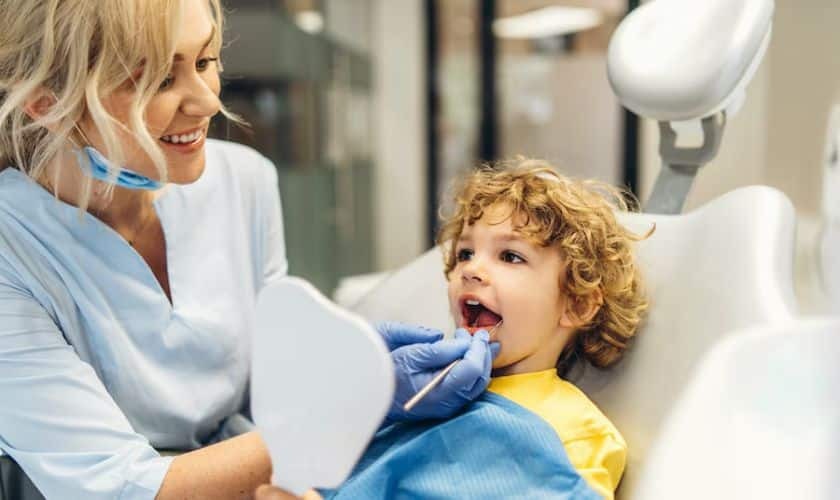
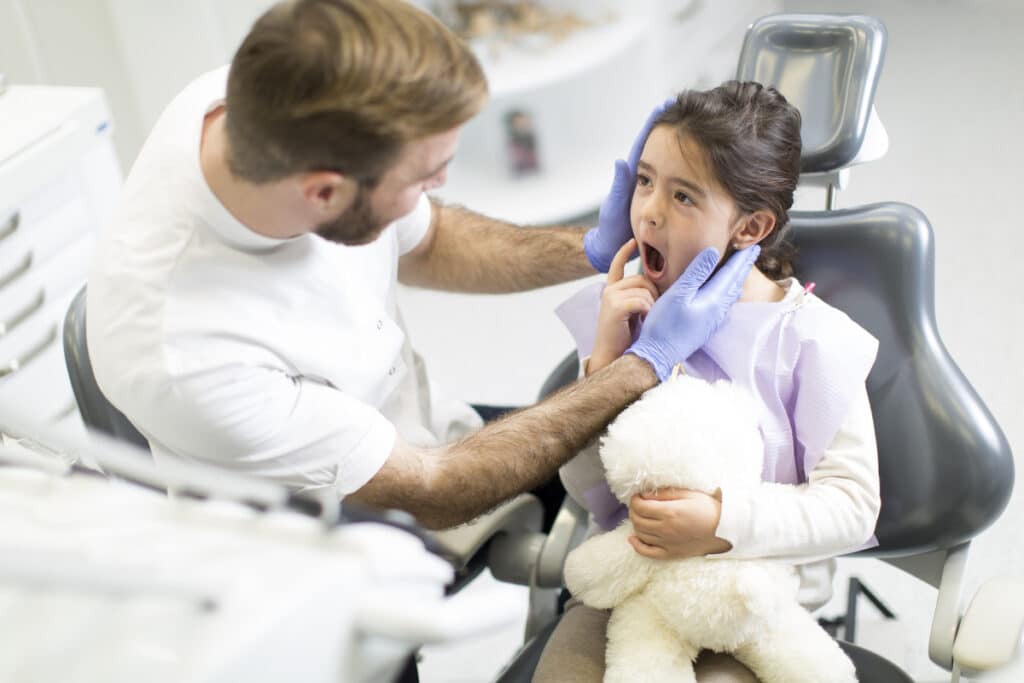
- Consult ENT & Dental Specialists: Enlarged tonsils and adenoids are common contributors. An ear, nose, and throat (ENT) doctor, a certified pediatric dentist in Puyallup, or an orthodontist can evaluate the airway, jaw structure, and dental development.
- Be Proactive — Not Panicked: Many pediatric cases of OSA are treatable, often with a combination of airway management, orthodontic intervention, and surgical treatment when necessary.
Conclusion
Mouth breathing in children isn’t just an odd sleep quirk — it’s a powerful signal that something deeper may be shaping your child’s health and development. Whether it’s changing the way their jaw grows or contributing to obstructive sleep apnea, the connection between breathing and bone growth matters more than most parents realize.
Armed with data — from higher apnea rates to clear facial structural changes — parents, pediatricians, and specialists can work together to spot issues early and protect children’s sleep, growth, and long-term health. Early action today helps kids breathe easier, sleep more deeply, and thrive tomorrow.
Frequently Asked Questions
- Is mouth breathing always a sign of sleep apnea in children?
Not always, but habitual mouth breathing — especially at night — is a strong risk factor for sleep-disordered breathing and should prompt evaluation. - Can correcting jaw development help improve sleep apnea?
Yes. Improving airway space through orthodontic or surgical interventions often helps reduce OSA symptoms when structural issues contribute to airway obstruction. - Why does mouth breathing affect jaw growth?
When children breathe through the mouth, the tongue doesn’t rest against the palate, altering muscle forces and bone formation — leading to narrower arches and altered jaw growth. - At what age should I be concerned if my child mouth-breathes?
Persistent mouth breathing beyond age 3–4, especially when accompanied by snoring and daytime symptoms, warrants attention from specialists. - Are there simple home remedies to fix mouth breathing?
Home changes (e.g., humidifiers) can help alleviate temporary issues (such as a cold), but chronic mouth breathing requires a professional assessment—especially if it is linked to sleep disturbances.