Let’s be real for a second: you invested in dental implants to get your confidence back, right? You wanted that “Hollywood” smile, the ability to crunch into a crisp apple, and the freedom to laugh without covering your mouth. But lately, have you noticed a bit of a… lingering situation? Even after a vigorous brushing session, that metallic or foul “garbage” smell just won’t quit?
If you’re nodding your head, don’t panic. You aren’t “gross,” and your surgery wasn’t necessarily a failure. But you are dealing with a common yet fixable issue. Today, we’re diving deep into why dental implants sometimes come with an unwanted scent and, more importantly, how local U.S. dentists recommend you fix it.
Why This Matters: Implants and Smelly Breath?
Dental implants are the gold standard for tooth replacement in the United States. According to the American Academy of Implant Dentistry (AAID), approximately 3 million Americans have implants, and that number is growing by about 500,000 every year.
However, success isn’t just about the surgery; it’s about the aftercare. Studies published by the National Institutes of Health (NIH) suggest that while implants have a 95–98% success rate, nearly 43% of patients develop peri-implant disease (inflammation around the implant) within five years. One of the very first warning signs of that inflammation? You guessed it: halitosis (bad breath).
Why Your Breath Might Still Smell After Brushing
Even after careful brushing, bad breath (or halitosis) can linger. A major reason? There are many places in your mouth that a toothbrush simply can’t reach.
Here’s how this happens with dental implants:
- Bacterial Biofilm & Plaque Around Implants: Your mouth is home to millions of bacteria. After meals, they feed on leftover food and release smelly compounds, especially volatile sulfur compounds (VSCs). Implants don’t decay, but the tissue and spaces around them can harbor bacteria if they’re not cleaned well.
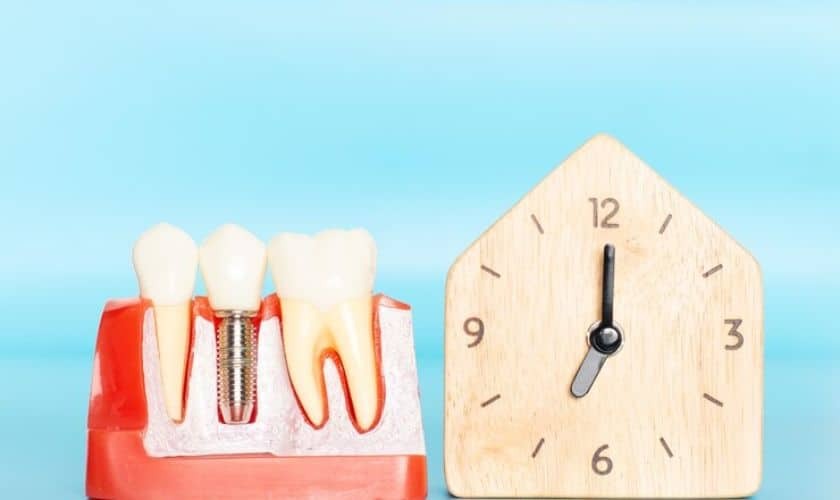
- Food Gets Trapped Around Your Implant: Unlike a natural tooth, an implant and its crown can have tiny gaps or rough edges. These can trap food particles where your toothbrush can’t reach, creating a buffet for bacteria.
- Peri-Implantitis — The Silent Culprit: If bacterial buildup is left unchecked, it can progress to peri-implantitis — an infection and inflammation around the implant similar to gum disease. One of its early symptoms can be persistent bad breath.
- Dry Mouth (Xerostomia): Saliva is your mouth’s natural rinse. Less saliva = more bacteria = bad breath. Many medications, dehydration, and even stress can reduce saliva flow, especially in older adults.
- Lifestyle & Diet Factors: Smoking, coffee, alcohol, garlic, onions, and certain diets can make your breath smell less fresh, with or without dental implants.
Why Brushing Alone Isn’t Always Enough
You brush twice a day — great! But brushing mostly cleans the front surfaces of your teeth and implants. You still leave behind:
- Tongue surface bacteria
- Between-tooth gaps
- Implant-crown junctions
- Gum lines
- Food particles in hard-to-reach places
In fact, dental experts often say that brushing alone removes only about 60–70% of plaque, meaning the rest hides in crevices you can’t reach without flossing or interdental tools.
Dentist-Recommended Tips to Prevent Smelly Breath
Here’s what dental professionals actually recommend to keep breath fresh — with or without implants:
Clean Around Implants Carefully Every Day
Brush twice a day with a soft toothbrush — and don’t forget:
- The gumline around your implant
- The abutment edges
- Your tongue and cheeks
Add antibacterial mouthwash as needed—especially if you struggle with bad breath.
Use Interdental Tools
Flossing helps, but many dentists also recommend:
- Water flossers
- Interdental brushes
These tools flush out food and plaque from implant spaces that regular brushing misses. - Stay Hydrated: Drink plenty of water to stimulate saliva flow — your mouth’s natural plumber. If your mouth often feels dry, talk to your dentist about products that promote saliva production.
- Cut Down on Odor-Causing Foods & Habits: Garlic, onions, smoking, and heavy coffee consumption can all contribute to lingering odor. Cutting back or rinsing with water after these can help.
- Schedule Regular Dental Checkups: Your local Implant dentist specialist in Puyallup can catch signs of peri-implantitis early — before bad breath becomes a long-term issue. Professional cleanings remove hardened tartar that your toothbrush can’t handle.
Report Signs of Infection Immediately
If you notice persistent bad breath that doesn’t improve with better hygiene — especially if you see:
- Red or bleeding gums
- Pain around the implant site
- Swelling or tenderness
…that’s a red flag that bacterial infection might be developing and needs prompt attention.
When to Seek Dental Help
If your bad breath persists despite top-tier oral hygiene, it’s time to see your dentist. They may check for:
- Peri-implantitis
- Gum recession
- Poor crown fit
- Excess calcium buildup
Sometimes, adjustments to the implant restoration (such as a better-fitting crown) can dramatically improve breath quality.
What Research Says About Implants & Oral Odor
Although scientific studies specifically focused on implant-related bad breath are limited, research shows:
- Bacterial colonization around dental restorations can release VSCs — smelly gases responsible for bad breath.
- Proper antimicrobial care can significantly reduce malodor around implants.
This suggests that the bacteria around an implant behave similarly to those around a natural tooth — and that hygiene matters.
A Quick Reality Check: You’re Normal
Here’s a reassuring fact from broader halitosis research:
Bad breath affects millions of Americans regularly — even those without dental implants.
So if you struggle with occasional breath issues, you’re in good company — and it doesn’t automatically mean your implant is malfunctioning.
Conclusion
Dental implants are a life-changing investment, but they aren’t “set it and forget it.” If you’re experiencing smelly breath after brushing, it’s usually your body’s way of saying that bacteria have found a hiding spot. By upgrading your cleaning tools—switching to a water flosser or interproximal brushes—and keeping up with professional cleanings, you can keep your breath as fresh as your new smile looks.
Remember, an implant can’t get a cavity, but it can lose its foundation to gum disease. Keep the foundation clean, and the smell will take care of itself.
Frequently Asked Questions
- Can dental implants cause bad breath even after brushing?
No, the implant itself does not cause bad breath. However, bacteria and food particles around the implant can produce odors if not cleaned effectively.
- What is peri-implantitis, and how does it affect breath?
Peri-implantitis is inflammation around an implant due to bacterial buildup. It can lead to bad breath, bleeding, and even bone loss if untreated.
- How can I prevent bad breath with dental implants?
Use interdental brushes or water flossers, drink plenty of water, avoid tobacco, limit intake of odor-causing foods, and see your dentist regularly.
- Can dry mouth after implant surgery make my breath smell?
Yes, dry mouth reduces saliva flow, which normally helps rinse away bacteria, and this can increase the likelihood of bad breath.
- When should I see a dentist for bad breath after implant placement?
If unpleasant breath persists despite excellent hygiene, or is accompanied by pain, swelling, or bleeding at the implant site, schedule a dental evaluation promptly.